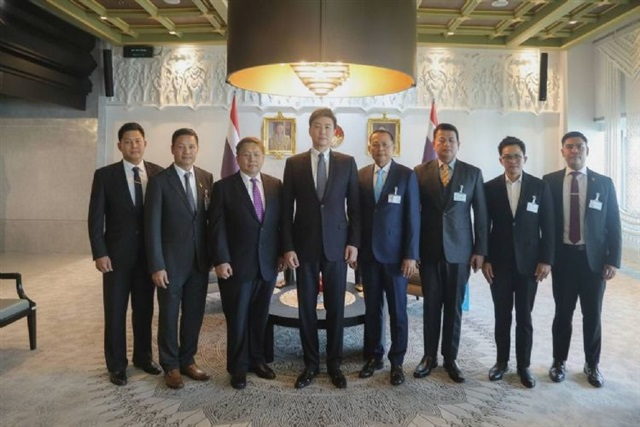
L’annuncio è asciutto: ADATA, azienda taiwanese nota per memorie e soluzioni di storage, ha avviato colloqui con il governo thailandese per esplorare un ruolo del Paese nell’espansione dell’infrastruttura dedicata all’intelligenza artificiale. Nessun dettaglio, nessuna roadmap. Ma il segnale è chiaro: il Sud-Est asiatico si sta ritagliando uno spazio nella geografia della potenza di calcolo.
Il ruolo della memoria nell’era degli LLM
Quando si parla di hardware per l’AI, il pensiero corre subito alle GPU. Ma ogni cluster di inference o training vive anche di memoria – RAM di sistema, VRAM per i pesi dei modelli, storage veloce per dataset e checkpoint. ADATA produce proprio questo: DRAM, SSD NVMe, soluzioni per data center. In un contesto dove l’addestramento e l’inference di Large Language Models richiedono terabyte di dati e velocità di accesso estreme, il comparto storage diventa critico quanto i chip grafici.
L’azienda ha già collaborazioni con giganti come Intel e AMD, e una presenza in Thailandia potrebbe significare una nuova base produttiva o logistica per rifornire i mercati asiatici e globali di componenti fondamentali per server AI. Non è un dettaglio: la catena di fornitura delle memorie ha un impatto diretto su costi e disponibilità delle macchine che girano on-premise.
Thailandia: da hub produttivo a nodo AI
Il Paese non è nuovo agli investimenti tech. Già ospita fabbriche di dischi rigidi e componenti elettronici, grazie a una forza lavoro qualificata e costi competitivi. L’interesse di ADATA suggerisce un passo ulteriore: diventare un polo per la produzione e forse l’assemblaggio di sistemi storage ottimizzati per carichi di lavoro AI. Le discussioni, da quanto emerge, sono ancora in fase esplorativa, ma il governo thailandese ha mostrato disponibilità a offrire incentivi per attrarre investimenti nel settore.
Per chi segue le dinamiche dell’AI computing, è un segnale importante. La concentrazione produttiva in poche aree – principalmente Taiwan e Cina per le memorie – crea colli di bottiglia. Una diversificazione geografica può rendere la supply chain più resiliente, riducendo i rischi di shortage che già in passato hanno colpito il mercato dei semiconduttori.
Cosa cambia per chi sceglie il self-hosted
Chi gestisce infrastrutture AI in-house, magari per motivi di sovranità dei dati o controllo sui modelli, sa che il TCO (TCO) non si limita alla scheda GPU. Memoria e storage veloci sono voci di spesa rilevanti. L’arrivo di un nuovo player o l’espansione di capacità produttiva in una regione diversa potrebbe tradursi – in prospettiva – in prezzi più competitivi o tempi di consegna ridotti.
Al momento non ci sono numeri, né impegni vincolanti, ma l’interesse di ADATA si inserisce in una tendenza più ampia: la domanda di hardware AI sta spingendo aziende tradizionalmente lontane dal mondo dell’enterprise a investire in linee di prodotto dedicate. Già oggi vediamo SSD con interfacce PCIe Gen5 pensate per ridurre la latenza nell’accesso ai dataset. Se queste soluzioni diventassero più economiche, l’adozione di architetture on-premise potrebbe accelerare anche tra le medie imprese.
Prospettive e segnali da monitorare
L’iniziativa va letta con cautela: esplorare un ruolo non significa costruire una fabbrica. Tuttavia, il movimento di ADATA si affianca a quello di altri giganti – come i produttori di server e i cloud provider – che stanno investendo nell’area per aggirare le tensioni geopolitiche e avvicinarsi a nuovi mercati.
Per l’ecosistema AI-RADAR, che osserva proprio le scelte di deployment e la disponibilità hardware per l’inference locale, la mossa è un piccolo tassello in un mosaico più grande. Monitorare l’evoluzione di queste partnership aiuta a prevedere dove e quando potrebbero arrivare componenti più accessibili per chi punta sul self-hosted. Senza fretta, ma con attenzione.





💬 Commenti (0)
🔒 Accedi o registrati per commentare gli articoli.
Nessun commento ancora. Sii il primo a commentare!