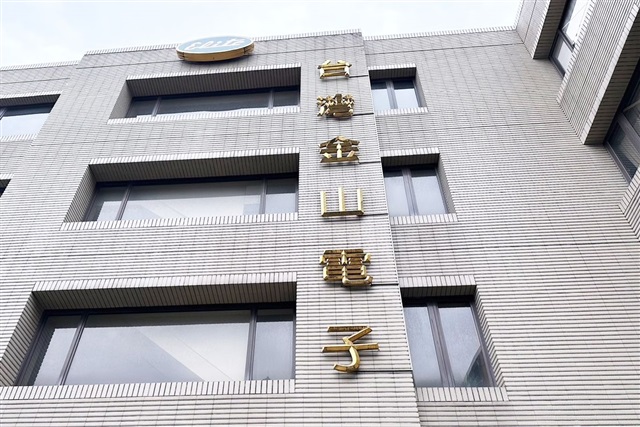
Artificial intelligence devours silicon, but also far humbler components. The latest evidence comes from the market for snap-in electrolytic capacitors—passive devices no one notices until they are in short supply. With the explosion of LLM workloads and neural network training, server power systems are straining the entire electronics supply chain. The result: first-tier suppliers can no longer cope, and orders are spilling over to second-tier manufacturers like Taiwan’s Chinsan.
The power hunger of AI infrastructure
Training a large language model or running inference at scale means crunching teraflops, but also consuming watt after watt. GPU-accelerated servers draw huge current peaks and require power supplies capable of maintaining stable voltages under heavy load. In this scenario, snap-in capacitors—high-capacity, long-life electrolytic components—become critical. They smooth fluctuations, filter noise, and ensure chips do not suffer sudden voltage drops. The higher the power involved, the more capacitors are needed, and of higher quality.
The spillover effect and the Chinsan case
Industry sources report that major active and passive component makers are struggling to keep up. Orders for power supplies destined for AI data centers have grown so fast that primary producers are saturating their production lines. Hence the shift of orders to companies like Chinsan Electronics, historically positioned for smaller volumes or less exposed niches. For Chinsan, this is a significant opportunity: the company is receiving requests that, under normal conditions, would have remained the preserve of industry giants. This phenomenon signals a supply crunch likely to persist until the AI race stabilizes.
What it means for those building on-premise infrastructure
For organizations evaluating self-hosted LLM deployments—whether for data sovereignty, operational control, or TCO reasons—the capacitor question is an uncomfortable reminder. When planning an on-premise GPU cluster, attention naturally goes to specs like VRAM, bandwidth, and compute capability. Yet the reliability of the entire system also depends on passive components like capacitors, whose availability can extend server node delivery times. In a demand-outstrips-supply environment, the supply chain becomes a design risk factor. Choosing the right GPU model is not enough; one must ensure that a robust power delivery chain stands behind it.
A supply chain under strain: signals and outlook
The Chinsan case is not isolated. It reveals a broader dynamic: AI growth is redistributing the cards in electronic components, rewarding those with spare capacity or line flexibility. It remains to be seen whether second-tier manufacturers can consolidate these positions once the top players have expanded their facilities. In the meantime, for system integrators and those designing private data centers, monitoring upstream bottlenecks becomes essential. It’s not just about GPUs: even a humble capacitor can make the difference between an on-time installation and months of delay.







💬 Comments (0)
🔒 Log in or register to comment on articles.
No comments yet. Be the first to comment!