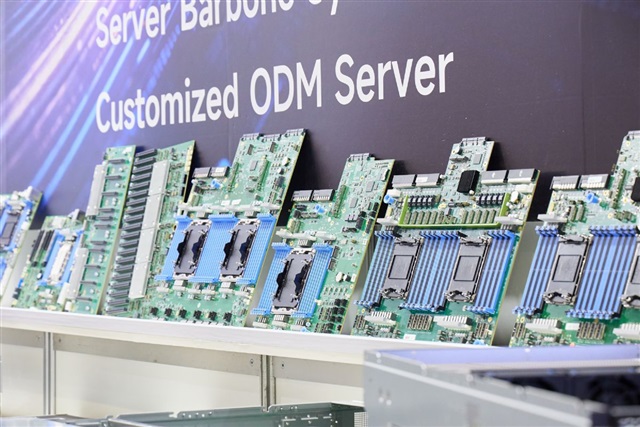
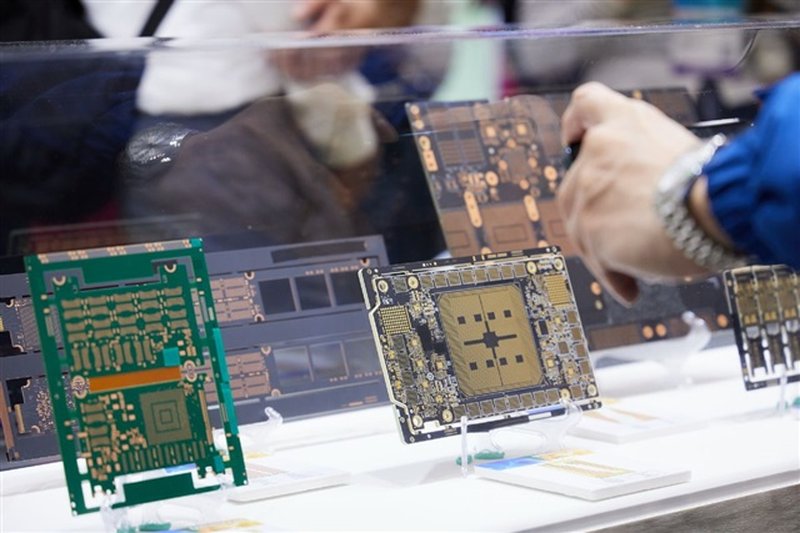
Pressure on electronics supply chains is nothing new, but the artificial intelligence explosion is taking the phenomenon to a different level. Industry reports indicate that lead times for printed circuit boards (PCBs) and passive components — capacitors, resistors, inductors — are lengthening structurally, driven by demand for servers, accelerators, and power systems for AI workloads. This is not a temporary spike: a “new normal” with longer procurement windows is taking shape, redrawing constraints for those building hardware in-house.
The AI boom, powered by Large Language Models and training clusters, has created a surge in demand for high-density PCBs and power passive components. Every GPU rack requires complex motherboards, voltage regulation modules, and capacitors for high-frequency signal filtering. The ripple effect moves upstream: laminate manufacturers, copper suppliers, and assembly equipment makers struggle to keep pace. And the concentration of production capacity — often located in Asia — amplifies vulnerability.
For companies evaluating on-premise deployment of AI infrastructure, longer lead times have tangible consequences. Those planning server purchases or building internal clusters must factor in extra months of waiting, with a direct impact on TCO: the longer the procurement cycle, the higher the opportunity cost and the risk of technological obsolescence. On-premise projects, already grappling with space, power, and cooling constraints, now also face scarcity of “mundane” but indispensable components.
This scenario favors large hyperscalers and system integrators with multi-year contracts and volumes that guarantee priority in allocations. Small operators, research labs, and startups betting on self-hosted setups risk being left waiting, with extended timelines that make the cloud option even more attractive in the short term, despite concerns over data sovereignty and rising operational costs.
A possible second-order effect is the search for alternative architectures: more modular boards, AI-specific components that reduce reliance on standard passives, or a return to over-provisioning and stockpiling — paradoxically aggravating shortages further. Some manufacturers might invest in new production lines, but the payback time for PCB fabrication plants is long, and uncertainty about future demand holds back investment.
Ultimately, the new normal of lead times signals that AI is not just a software revolution but is reshaping the entire hardware supply chain. For those building on-premise infrastructure, the challenge shifts from model selection to strategic supply chain management, a domain where scale matters more than ever.




💬 Comments (0)
🔒 Log in or register to comment on articles.
No comments yet. Be the first to comment!