
AI for Targeted Applications: The Case of Pest Control
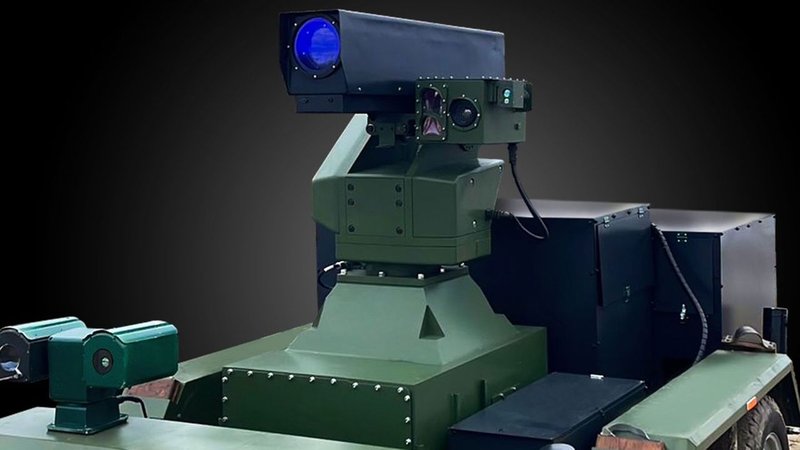
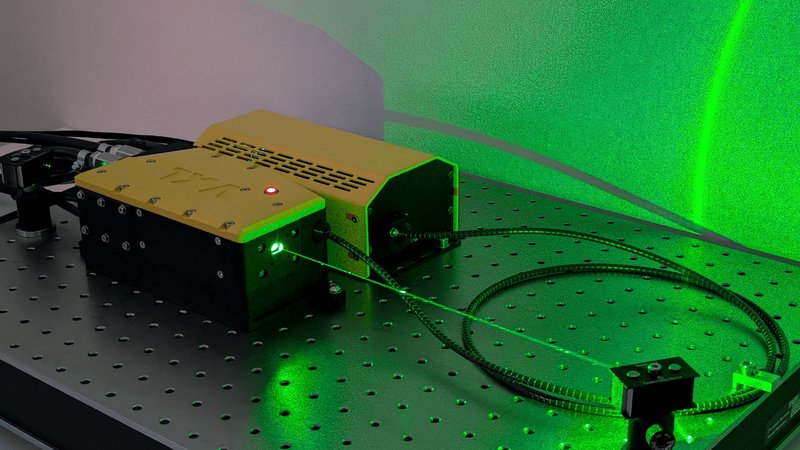
Artificial intelligence continues to expand its reach, finding applications in increasingly specific and unexpected areas. A prime example of this trend is the development of an advanced system designed to combat mosquito proliferation. This device utilizes a combination of AI and laser technology to precisely detect these insects and neutralize them in a targeted manner.
At the core of this solution is a custom AI model, specifically trained to identify mosquitoes and guide the lasers with extreme accuracy. This approach highlights how AI is no longer confined to generic tasks or large-scale Large Language Models (LLMs), but is becoming a versatile tool for solving concrete, well-defined problems, often requiring deployment at the edge or in on-premise contexts.
From Detection to Action: Hardware and Deployment Requirements
The very nature of a laser and AI-based pest control system imposes stringent requirements in terms of performance and deployment. To detect and strike a moving mosquito, the system needs real-time inference capabilities with extremely low latency. This implies the use of dedicated hardware, often in the form of AI accelerators or embedded GPUs, capable of rapidly processing visual data and making immediate decisions.
Deploying a custom model in such a context typically functions as an edge or self-hosted application. Detection data is processed locally, reducing reliance on cloud connectivity and ensuring an immediate response. This on-premise or edge architecture is fundamental for applications requiring operational autonomy, resilience, and consistent performance, regardless of external network conditions.
Implications for Data Sovereignty and TCO
Even in a seemingly simple application like a "mosquito killer," important considerations emerge for tech decision-makers. If the system were to collect environmental data or insect movement patterns to improve its model, the issue of data sovereignty would become relevant. An air-gapped or self-hosted deployment ensures that such data remains under the direct control of the operator, complying with any privacy regulations or compliance requirements.
From a Total Cost of Ownership (TCO) perspective, the development and deployment of a custom AI model and associated hardware represent a significant initial investment (CapEx). However, this can translate into lower operational costs (OpEx) in the long term compared to cloud-based solutions with recurring inference fees. TCO evaluation requires a thorough analysis of development, hardware, maintenance, and energy consumption costs, balancing initial investment with the benefits of control and autonomy.
The Future of Specialized AI and Edge Computing
This example of AI applied to pest control is a microcosm of the broader trend towards Edge Computing and specialized AI. Companies and organizations evaluating the deployment of AI workloads, including LLMs, must carefully consider the trade-offs between cloud and on-premise solutions. The choice depends on factors such as latency requirements, data sensitivity, budget constraints, and the need for direct control over infrastructure.
For those evaluating these complex on-premise deployment decisions, AI-RADAR offers analytical frameworks and insights on /llm-onpremise to better understand the trade-offs between different architectures. The evolution of AI towards increasingly targeted and distributed applications underscores the importance of robust, efficient, and compliant deployment strategies tailored to the specific needs of each operational context.





💬 Comments (0)
🔒 Log in or register to comment on articles.
No comments yet. Be the first to comment!