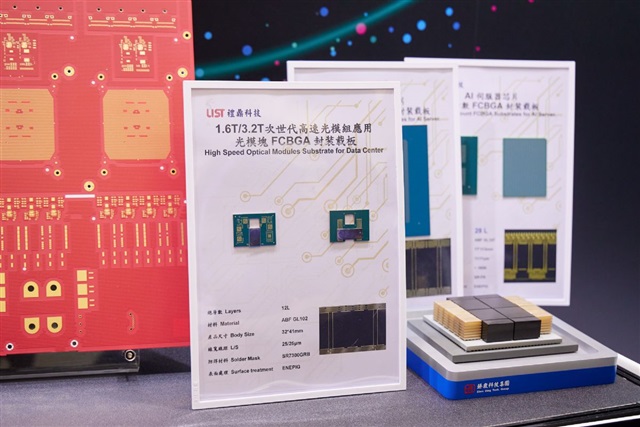
Ajinomoto alza i prezzi dei substrati ABF: un segnale per il mercato AI
Ajinomoto, un attore chiave nella produzione di materiali avanzati per l'elettronica, ha comunicato un significativo aumento del 30% sui prezzi dei suoi film substrato ABF (Ajinomoto Build-up Film). La notizia, riportata da DIGITIMES, evidenzia una pressione crescente sulla catena di approvvigionamento di componenti fondamentali per l'industria dei semiconduttori. Questo incremento non è un evento isolato, ma si inserisce in un contesto globale di volatilità dei costi delle materie prime e di domanda sostenuta per l'hardware ad alte prestazioni.
Per le aziende che operano nel settore dell'intelligenza artificiale, e in particolare per quelle che valutano o gestiscono infrastrutture LLM on-premise, un simile aumento rappresenta un fattore da considerare attentamente. I substrati ABF sono infatti un elemento costitutivo essenziale per il packaging di processori avanzati, inclusi quelli utilizzati per l'inference e il training di modelli AI, e il loro costo incide direttamente sul prezzo finale dei componenti hardware.
Il ruolo cruciale dei substrati ABF nell'hardware AI
I film substrato ABF sono materiali dielettrici avanzati impiegati nel packaging dei chip, in particolare per i processori ad alte prestazioni come CPU, GPU e acceleratori AI. La loro funzione è quella di fornire un'interconnessione elettrica ad alta densità tra il die del chip e il circuito stampato (PCB), consentendo la trasmissione rapida ed efficiente di grandi quantità di dati. La capacità di gestire larghezze di banda elevate e di supportare un numero elevato di interconnessioni è fondamentale per le architetture moderne, specialmente quelle dedicate ai carichi di lavoro intensivi degli LLM.
La complessità e la precisione richieste nella produzione di questi substrati li rendono un collo di bottiglia potenziale nella filiera dei semiconduttori. Un aumento del 30% sui prezzi di un componente così critico si traduce inevitabilmente in costi maggiori per i produttori di chip e, di conseguenza, per i fornitori di server e sistemi destinati all'AI. Questo scenario impatta direttamente il CapEx (Capital Expenditure) per le organizzazioni che intendono costruire o espandere la propria capacità di calcolo AI in un ambiente self-hosted.
Implicazioni per l'infrastruttura AI on-premise e il TCO
Per CTO, DevOps lead e architetti di infrastrutture che valutano soluzioni on-premise per i carichi di lavoro AI, l'aumento dei costi dei substrati ABF è un elemento da integrare nelle analisi del Total Cost of Ownership (TCO). L'investimento iniziale in hardware, che include GPU con VRAM elevata e sistemi di interconnessione ad alta velocità, rappresenta una componente significativa del TCO per i deployment locali. Un incremento del 30% su un materiale chiave può alterare le proiezioni di costo e rendere meno prevedibili gli investimenti a lungo termine.
La sovranità dei dati, la compliance e la necessità di ambienti air-gapped spingono molte aziende verso soluzioni self-hosted. Tuttavia, la stabilità della supply chain e la prevedibilità dei costi hardware diventano fattori ancora più critici in questo contesto. Le fluttuazioni dei prezzi dei componenti possono influenzare non solo il budget, ma anche i tempi di consegna e la disponibilità di hardware specifico, come le GPU di ultima generazione essenziali per l'inference e il training di Large Language Models. Per chi valuta deployment on-premise, AI-RADAR offre framework analitici su /llm-onpremise per valutare trade-off e ottimizzare le decisioni di investimento.
Prospettive future e strategie di mitigazione
L'aumento dei prezzi dei substrati ABF segnala una tendenza più ampia di tensioni nella supply chain dei semiconduttori, esacerbata dalla domanda crescente di chip per l'AI. Le aziende dovranno considerare queste dinamiche nella pianificazione strategica delle loro infrastrutture. Ciò potrebbe significare rivedere i budget di acquisizione hardware, esplorare opzioni di leasing o considerare strategie di ottimizzazione dell'utilizzo delle risorse esistenti, come tecniche di Quantization o l'adozione di LLM più efficienti.
In un mercato in continua evoluzione, la capacità di anticipare e mitigare l'impatto di tali aumenti sui costi hardware sarà un fattore distintivo per le organizzazioni che puntano a mantenere un vantaggio competitivo nell'adozione dell'AI. La trasparenza sui costi della filiera diventa quindi un elemento cruciale per prendere decisioni informate sui deployment, bilanciando performance, controllo e TCO.








💬 Commenti (0)
🔒 Accedi o registrati per commentare gli articoli.
Nessun commento ancora. Sii il primo a commentare!