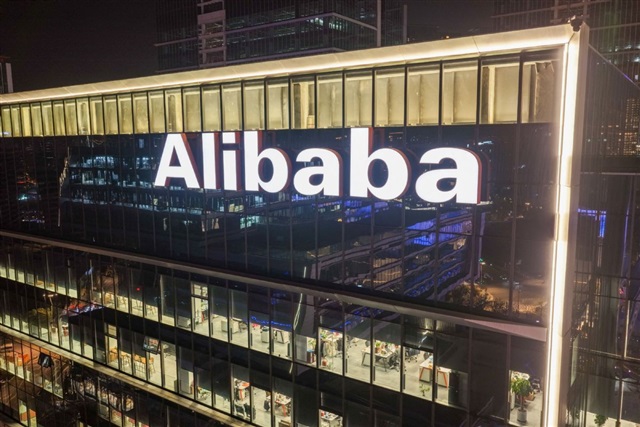
Alibaba e l'investimento strategico nell'energia da fusione per l'AI
Alibaba, uno dei giganti tecnicici globali, ha recentemente annunciato un investimento significativo nella startup NovaFusionX. Questa mossa strategica mira a consolidare la posizione dell'azienda nel panorama dell'intelligenza artificiale, focalizzandosi su un aspetto cruciale e spesso sottovalutato: l'energia. NovaFusionX è una realtà emergente specializzata nello sviluppo di tecnicie per l'energia da fusione nucleare, un campo con il potenziale per rivoluzionare l'approvvigionamento energetico su larga scala.
L'interesse di Alibaba per la fusione nucleare non è casuale. L'industria dell'intelligenza artificiale, in particolare lo sviluppo e il deployment di Large Language Models (LLM), è notoriamente energivora. I processi di training e inference di modelli complessi richiedono enormi quantità di potenza di calcolo, che si traduce in un elevato consumo energetico. Questo impatta direttamente il Total Cost of Ownership (TCO) delle infrastrutture AI, specialmente per le aziende che optano per soluzioni self-hosted o on-premise, dove i costi operativi legati all'energia e al raffreddamento possono essere considerevoli.
La sfida energetica dei carichi di lavoro AI
L'escalation delle capacità degli LLM e di altri modelli di intelligenza artificiale ha portato a un parallelo aumento della domanda energetica. Ogni iterazione di training, ogni sessione di inference su larga scala, contribuisce a un'impronta di carbonio e a costi operativi che le aziende non possono più ignorare. Per i CTO e gli architetti di infrastruttura che valutano il deployment di carichi di lavoro AI, la disponibilità di energia affidabile, sostenibile ed economicamente vantaggiosa è diventata un fattore decisionale primario.
Le infrastrutture on-premise, in particolare, devono affrontare direttamente queste sfide. A differenza del cloud, dove i costi energetici sono spesso inclusi in un modello OpEx più ampio, un deployment self-hosted richiede un'attenta pianificazione del CapEx e dell'OpEx per l'alimentazione e il raffreddamento. Un "AI energy edge", come quello che Alibaba cerca di ottenere, potrebbe significare una riduzione drastica dei costi operativi a lungo termine, rendendo le proprie offerte AI più competitive e sostenibili. Questo vantaggio non riguarda solo l'aspetto economico, ma anche la capacità di garantire la sovranità dei dati e la compliance in ambienti air-gapped, dove l'autosufficienza energetica può essere un requisito critico.
La promessa della fusione nucleare per l'AI
L'energia da fusione nucleare rappresenta una delle frontiere più promettenti per la produzione di energia pulita e virtualmente illimitata. A differenza della fissione, la fusione non produce scorie radioattive a lunga vita e presenta un rischio intrinseco di incidenti molto inferiore. Sebbene la commercializzazione su larga scala sia ancora lontana e richieda investimenti massicci in ricerca e sviluppo, il potenziale di questa tecnicia è immenso. Per un'azienda come Alibaba, assicurarsi un accesso privilegiato a future fonti energetiche a basso costo e ad alta densità potrebbe tradursi in un vantaggio strategico inestimabile per alimentare i propri data center e le proprie operazioni AI.
Investire in NovaFusionX è quindi un segnale chiaro che i giganti della tecnicia stanno guardando ben oltre le attuali soluzioni energetiche. Si tratta di una scommessa a lungo termine sulla capacità della fusione di fornire l'energia necessaria per sostenere la prossima generazione di innovazioni AI, riducendo al contempo l'impatto ambientale. Questo tipo di investimento evidenzia come la corsa all'AI non sia solo una questione di sviluppo di algoritmi o di produzione di silicio avanzato, ma anche di assicurare le fondamenta energetiche che rendono tutto ciò possibile.
Prospettive future e implicazioni per il settore
La mossa di Alibaba con NovaFusionX sottolinea una tendenza crescente nel settore tecnicico: l'integrazione verticale e la ricerca di soluzioni innovative per affrontare le sfide infrastrutturali dell'AI. Per le aziende che operano con LLM e carichi di lavoro intensivi, la disponibilità di energia pulita e a basso costo non è più un lusso, ma una necessità strategica. Questo tipo di investimento potrebbe accelerare la ricerca e lo sviluppo nel campo della fusione, portando a progressi che beneficerebbero l'intero ecosistema tecnicico.
Per chi valuta deployment on-premise, la prospettiva di fonti energetiche più efficienti e sostenibili è particolarmente rilevante. La capacità di alimentare grandi cluster di GPU, come le A100 o H100, con energia a costi ridotti e con un'impronta ecologica minima, potrebbe alterare significativamente l'equazione del TCO, rendendo le soluzioni self-hosted ancora più attraenti rispetto alle alternative cloud. AI-RADAR, ad esempio, offre framework analitici su /llm-onpremise per valutare questi trade-off, evidenziando come le decisioni energetiche siano intrinsecamente legate alle strategie di deployment e alla sovranità dei dati. L'investimento di Alibaba è un promemoria che il futuro dell'AI è anche un futuro energetico.







💬 Commenti (0)
🔒 Accedi o registrati per commentare gli articoli.
Nessun commento ancora. Sii il primo a commentare!