
The second half of 2026 is expected to bring modest growth for the tech sector, according to Alltop’s projections shared by DIGITIMES. Two main drivers will fuel the expansion: servers dedicated to artificial intelligence and recovering demand for electric vehicles. An outlook that, while cautious, confirms the central role of AI hardware in mid-term industrial strategies.
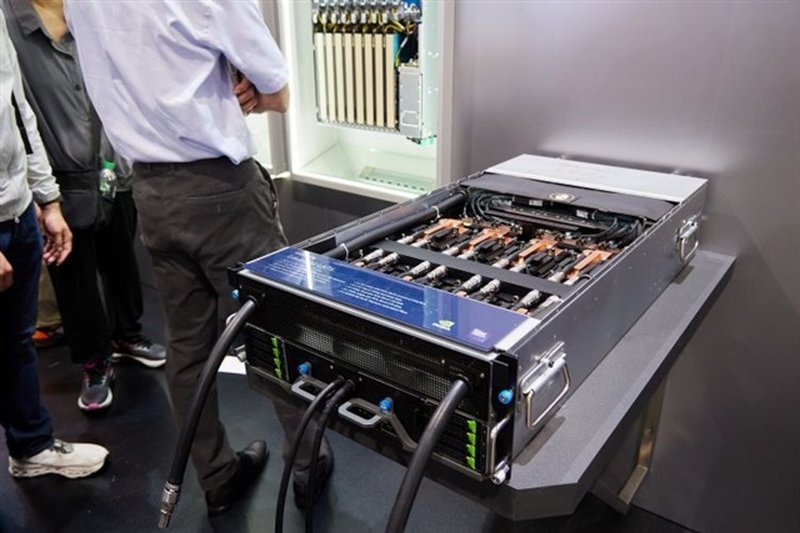
The prudence in the forecast is no accident. After two years of record investments in LLM infrastructure, the market may be entering a consolidation phase. Yet the “AI server” line item remains the pivot around which the entire sector revolves. These systems, often equipped with the latest GPUs and substantial VRAM, are the backbone of any language model deployment, whether in the cloud or on-premises. For those evaluating self-hosted architectures, the availability and cost of such machines are decisive variables in calculating TCO.
Demand for AI servers continues to be fueled by enterprise LLM adoption, where data sovereignty and low-latency requirements drive interest in on-prem solutions. It’s no surprise, then, that Alltop’s projections — cautious as they are — see this segment as the largest contributor to growth. The EV market recovery adds further momentum, signaling a return to normal after recent turbulence.
For IT leaders, the message is clear: AI hardware remains a priority investment, but the phase of speculative hype is giving way to more measured ROI assessments. The caution projected by Alltop may reflect not so much a slowdown in demand as a maturing market, where companies choose more knowledgeably among on-premises, cloud, or hybrid options.
In this landscape, the component supply chain — from compute chips to high-bandwidth memory — will remain under pressure. Anyone planning on-prem deployments should factor in lead times and potential bottlenecks. It’s no coincidence that AI-RADAR’s analysis focuses precisely on these aspects to help organizations navigate infrastructure choices.
Ultimately, Alltop’s projection paints a 2026 defined by pragmatism. Growth is real, but it’s driven by concrete needs: servers for training and inference with LLMs, and an electric mobility sector back on the rise. A landscape where sound fundamentals matter more than short-term enthusiasm.






💬 Comments (0)
🔒 Log in or register to comment on articles.
No comments yet. Be the first to comment!