
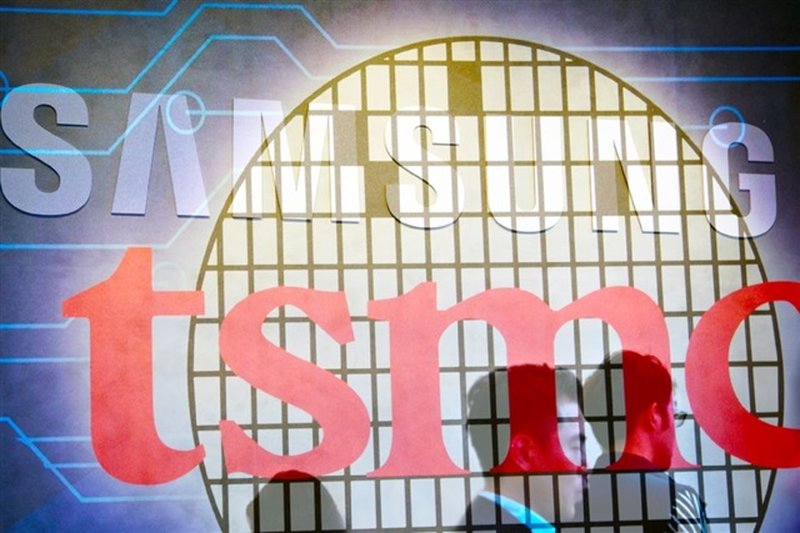
The voracious appetite of artificial intelligence is starting to bite into the semiconductor supply chain at a critical juncture: the 2nm node. Hyperscalers are absorbing an increasing share of TSMC’s and Samsung’s most advanced production capacity for their AI accelerators, leaving less room for traditional mobile clients. This squeeze goes beyond smartphone chips—it sends a clear signal to those designing on-premise and local AI infrastructure as well.
The 2nm node represents the next generational leap, offering density and energy efficiency that are vital for both flagship mobile SoCs and the most demanding AI processors. Yet the sheer scale of cloud demand—driven by orders for hundreds of thousands of units destined for data centers—is reshaping allocation patterns. Mobile chip makers, accustomed to booking similarly large volumes, now find themselves competing against customers who can pay more and tolerate looser power constraints, because the energy math of a server rack differs radically from that of a handheld device.
For organizations tracking on-premise deployment dynamics, the 2nm crunch is an indirect warning bell. Many accelerators for inference and training—from top-tier GPUs to custom silicon—rely on these advanced nodes. If capacity is hoarded by a handful of cloud giants, lead times stretch, costs climb, and hardware access becomes a competitive variable. In a scenario where a company chooses to keep LLMs in-house for data control or TCO reasons, the physical availability of chips could become the true bottleneck, well ahead of software licensing or power infrastructure.
There is a subtler but equally critical dimension: technological sovereignty. Should 2nm manufacturing turn into a private hunting ground for major cloud operators, those building self-hosted stacks might be forced to settle for less advanced nodes, suffering an efficiency gap that directly impacts total cost of ownership and operational sustainability. It is no coincidence that several server builders are exploring chiplet-based architectures and advanced packaging to sidestep single-node dependency, but such designs demand significant engineering investment and time.
Viewed through this lens, the 2nm pressure is not merely a semiconductor story. It is an early indicator of the friction that the cloud-first model is generating across the entire hardware ecosystem, with ripple effects reaching mobile and edge segments. The takeaway for those weighing on-premise deployment is unambiguous: plan procurement far in advance, evaluate alternatives on mature nodes, and never assume that the latest silicon will be available exactly when needed. As the supply chain recalibrates, the real game lies in reading these trends and converting them into forward-looking architectural decisions.






💬 Comments (0)
🔒 Log in or register to comment on articles.
No comments yet. Be the first to comment!