Alphabet e l'accelerazione degli investimenti in AI
La recente manovra finanziaria di Alphabet, caratterizzata da un'imponente raccolta di debito a livello globale, non è solo un'operazione di bilancio, ma un chiaro indicatore della frenetica corsa agli investimenti nel settore dell'intelligenza artificiale. Questa strategia riflette una tendenza più ampia che sta permeando l'intera industria tecnicica, dove le aziende stanno riversando capitali significativi nello sviluppo e nel deployment di soluzioni AI, in particolare i Large Language Models (LLM).
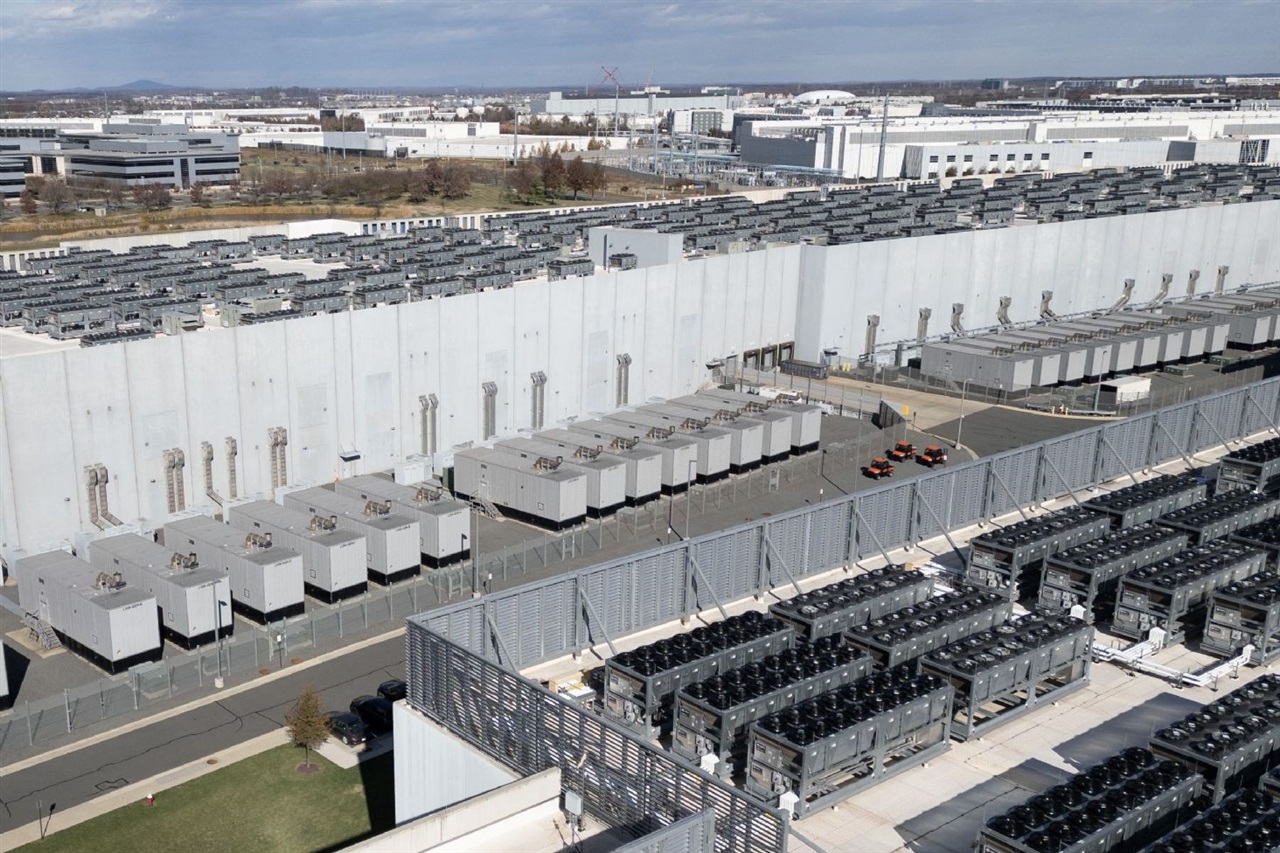
L'entità di questi finanziamenti sottolinea la percezione che l'AI non sia più una tecnicia emergente, ma una componente critica per la competitività futura. Le risorse vengono allocate non solo per la ricerca e lo sviluppo di algoritmi avanzati, ma anche per l'acquisizione e la costruzione dell'infrastruttura hardware necessaria a supportare carichi di lavoro computazionali sempre più intensi. Questo include l'approvvigionamento di GPU ad alte prestazioni, l'espansione dei data center e lo sviluppo di stack software ottimizzati per l'Inference e il training dei modelli.
La corsa all'infrastruttura AI: cloud o on-premise?
Il boom di finanziamenti nell'AI si traduce direttamente in una pressione crescente sulle infrastrutture IT. Le aziende, dai giganti tecnicici alle startup, si trovano a dover scegliere tra l'espansione delle proprie capacità self-hosted o l'affidamento a servizi cloud di terze parti per gestire la domanda di calcolo. Questa decisione è tutt'altro che banale e comporta una serie di trade-off significativi in termini di costi, controllo e flessibilità.
Il deployment di LLM e altri carichi di lavoro AI richiede risorse computazionali estreme, spesso misurate in termini di VRAM disponibile sulle GPU, throughput e latenza. Optare per soluzioni on-premise, come l'implementazione di server bare metal equipaggiati con GPU di ultima generazione, offre un controllo granulare sull'ambiente e la possibilità di ottimizzare l'intera pipeline. Tuttavia, ciò comporta un CapEx iniziale elevato e la necessità di competenze interne specializzate per la gestione e la manutenzione dell'hardware e del software.
Sovranità dei dati, TCO e controllo: i fattori chiave
La scelta tra cloud e self-hosted è spesso guidata da considerazioni che vanno oltre la mera potenza di calcolo. La sovranità dei dati è un fattore critico per molte organizzazioni, specialmente in settori regolamentati come la finanza o la sanità, dove i requisiti di compliance (ad esempio, GDPR) impongono restrizioni severe sulla localizzazione e il trattamento dei dati. Ambienti air-gapped o deployment on-premise offrono un livello di controllo e sicurezza che le soluzioni cloud potrebbero non garantire completamente.
Un altro aspetto fondamentale è il Total Cost of Ownership (TCO). Sebbene il cloud offra flessibilità e un modello OpEx, i costi possono aumentare rapidamente con l'escalation dei carichi di lavoro AI. Le soluzioni self-hosted, pur richiedendo un investimento iniziale maggiore, possono rivelarsi più economiche nel lungo periodo per carichi di lavoro prevedibili e consistenti. Per chi valuta deployment on-premise, AI-RADAR offre framework analitici su /llm-onpremise per comprendere e bilanciare questi trade-off, fornendo una visione neutrale sui vincoli e le opportunità.
Il futuro del deployment AI: un equilibrio strategico
L'ondata di finanziamenti nell'AI, esemplificata dalla strategia di Alphabet, continuerà a plasmare il panorama tecnicico, accelerando l'innovazione e la domanda di infrastrutture robuste. Le decisioni relative al deployment dell'AI diventeranno sempre più strategiche, richiedendo ai CTO, ai responsabili DevOps e agli architetti dell'infrastruttura di bilanciare attentamente le esigenze di performance, sicurezza, compliance e costo.
In questo contesto dinamico, la capacità di valutare con precisione i trade-off tra cloud e on-premise, considerando fattori come la scalabilità, la sovranità dei dati e il TCO, sarà fondamentale. Le aziende che riusciranno a trovare il giusto equilibrio tra flessibilità e controllo saranno meglio posizionate per capitalizzare appieno il potenziale trasformativo dell'intelligenza artificiale, garantendo al contempo la sostenibilità e la sicurezza delle proprie operazioni.







💬 Commenti (0)
🔒 Accedi o registrati per commentare gli articoli.
Nessun commento ancora. Sii il primo a commentare!