
Alphabet Targets Japanese Market for AI Funding
Alphabet has embarked on a new and significant financial initiative, announcing its first issuance of yen-denominated bonds. This operation, known as a "Samurai issue," represents a strategic step for the company in raising funds specifically allocated to enhancing its artificial intelligence infrastructure and capabilities. The decision to tap into the Japanese market highlights the diversification of funding sources to support ambitious technological projects.
The yen issuance is part of a broader and massive capital expenditure (CapEx) program that Alphabet has estimated to be between $180 and $190 billion. This substantial investment is crucial for fueling growth and innovation in the AI sector, an area that demands increasingly high computational and infrastructural resources.
A Global Funding Strategy for Innovation
Alphabet's move follows a series of other successful bond issuances in recent months. In February, the company recorded record issuances in Swiss francs, sterling, and euros. Last week, it also completed a $17 billion operation combining euros and Canadian dollars. These diverse financial initiatives are all aimed at supporting the same CapEx program, demonstrating a global and diversified approach to capital raising.
For this specific yen issuance, Alphabet is collaborating with major financial institutions such as Mizuho, Bank of America, and Morgan Stanley, who have been mandated for the operation. The pricing of the bonds is expected this month, marking a further step in the implementation of the company's financial strategy.
AI Investment: Implications for Infrastructure
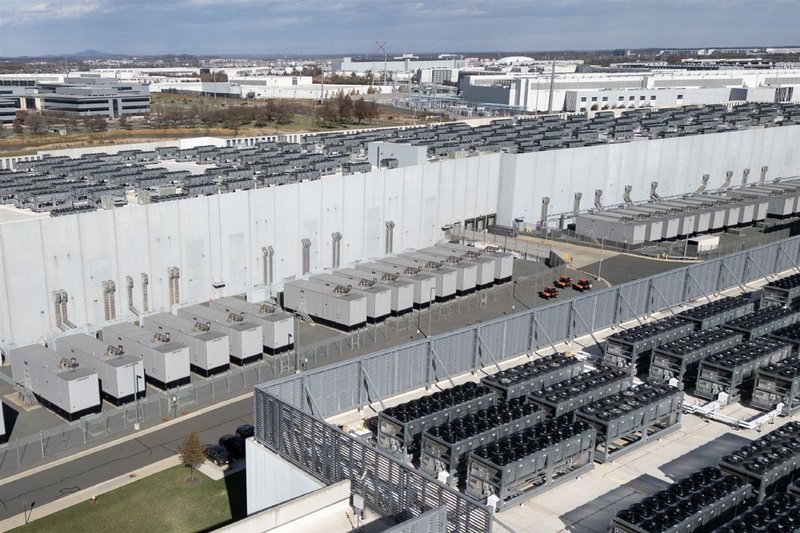
The scale of Alphabet's CapEx program underscores the capital-intensive nature of artificial intelligence development and deployment. The "AI build" implies significant investments in data centers, specialized hardware like high-performance GPUs, advanced cooling systems, and low-latency, high-throughput network infrastructures. These elements are fundamental to supporting intensive Large Language Model (LLM) training and inference workloads.
For companies evaluating self-hosted alternatives versus cloud solutions for their AI/LLM workloads, Alphabet's example highlights the need for robust financial planning. The decision to invest in on-premise infrastructure involves a thorough analysis of the Total Cost of Ownership (TCO), which includes not only the initial hardware purchase but also long-term operational costs, maintenance, and energy. Data sovereignty and compliance requirements can also drive towards air-gapped or bare metal solutions, increasing initial complexity and costs.
Future Outlook and Strategic Decisions
Alphabet's approach to AI capital raising reflects a broader trend in the technology sector, where companies are investing massively to maintain a competitive edge. The ability to finance such large-scale programs is a critical factor in accelerating innovation and the release of new AI-powered solutions.
For CTOs, DevOps leads, and infrastructure architects, Alphabet's strategy offers food for thought on the importance of aligning financial decisions with technological needs. Whether expanding existing infrastructure or launching a new AI project, understanding the trade-offs between CapEx and OpEx, and between on-premise and cloud deployment, is fundamental. AI-RADAR provides analytical frameworks on /llm-onpremise to support these evaluations, offering tools to analyze the constraints and opportunities of each approach.







💬 Comments (0)
🔒 Log in or register to comment on articles.
No comments yet. Be the first to comment!