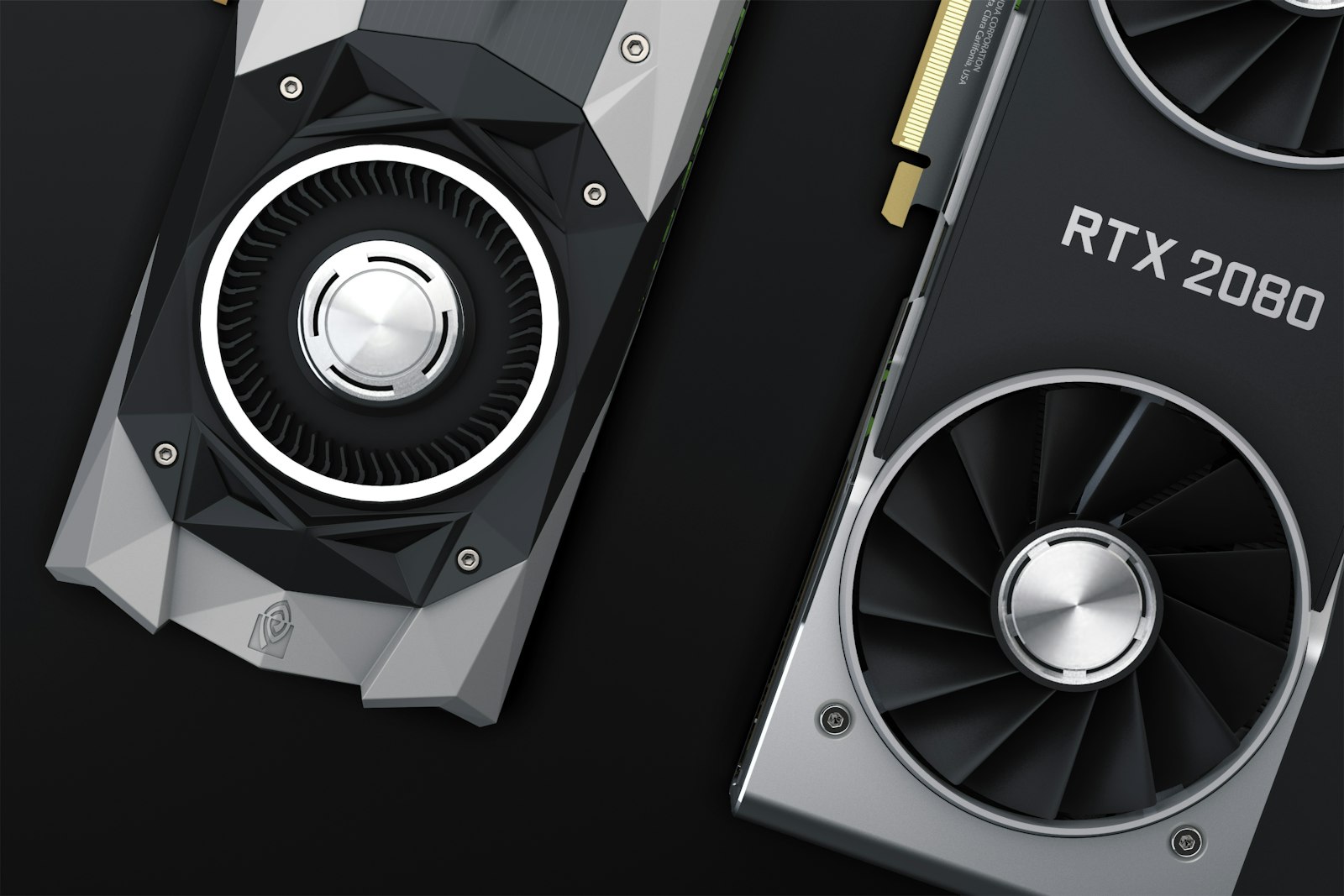
AMD svela il "Ryzen 395 Box" all'AI Dev Day
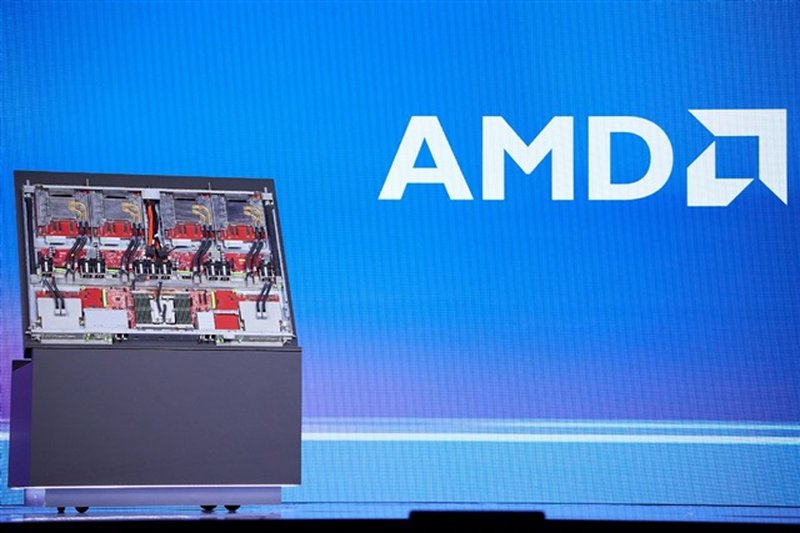
AMD ha recentemente catturato l'attenzione della comunità tech durante il suo AI Dev Day, annunciando l'imminente rilascio di un dispositivo denominato "Ryzen 395 Box". Questa nuova soluzione hardware, la cui disponibilità è prevista per giugno, si posiziona potenzialmente come un'opzione interessante per le aziende che valutano il deployment di Large Language Models (LLM) in ambienti on-premise. L'annuncio, sebbene privo di molti dettagli specifici, ha generato discussioni significative, in particolare tra gli specialisti che esplorano alternative al cloud per i carichi di lavoro AI.
Al momento, AMD non ha fornito informazioni sul prezzo del "Ryzen 395 Box". Tuttavia, durante la presentazione, è emerso un indizio che suggerisce una possibile collaborazione con Lenovo per la produzione del dispositivo. Questa partnership, se confermata, potrebbe indicare un approccio strategico di AMD per portare sul mercato soluzioni complete e integrate, destinate a soddisfare le esigenze di infrastruttura AI in contesti aziendali e di ricerca.
Dettagli tecnici e posizionamento nel mercato
Sebbene le specifiche tecniche complete del "Ryzen 395 Box" non siano state ancora divulgate, il nome "Ryzen" suggerisce che il dispositivo sarà basato su processori AMD Ryzen, noti per le loro capacità di calcolo multi-core. Per l'inference di LLM, la combinazione di una CPU potente con una GPU integrata o dedicata, dotata di VRAM sufficiente, è cruciale. Soluzioni come il "Ryzen 395 Box" potrebbero offrire un equilibrio tra performance e consumo energetico, rendendole adatte per scenari in cui la latenza e il throughput sono fattori critici.
Il mercato delle soluzioni hardware per LLM è in rapida evoluzione, con una crescente domanda di sistemi che possano eseguire modelli complessi localmente. Questo include non solo server di fascia alta con GPU di classe data center, ma anche dispositivi più compatti e accessibili, capaci di gestire carichi di lavoro specifici. L'introduzione di un "box" pre-configurato da parte di AMD potrebbe semplificare il processo di adozione per le organizzazioni che desiderano sperimentare o implementare LLM senza dover assemblare un'infrastruttura complessa da zero.
Implicazioni per il deployment on-premise
L'interesse per soluzioni come il "Ryzen 395 Box" è particolarmente elevato tra le aziende che privilegiano il deployment on-premise o air-gapped per i loro carichi di lavoro AI. La possibilità di mantenere i dati e i modelli all'interno dei propri confini infrastrutturali offre vantaggi significativi in termini di sovranità dei dati, compliance normativa (come il GDPR) e sicurezza. Un dispositivo self-hosted consente un controllo granulare sull'ambiente di esecuzione, riducendo la dipendenza da servizi cloud esterni e mitigando i rischi associati alla trasmissione di dati sensibili.
Dal punto di vista del Total Cost of Ownership (TCO), le soluzioni on-premise possono presentare un investimento iniziale più elevato, ma possono rivelarsi più economiche a lungo termine, specialmente per carichi di lavoro prevedibili e costanti. La gestione diretta dell'hardware e del software permette inoltre una maggiore ottimizzazione delle risorse e una personalizzazione profonda dell'ambiente. Per chi valuta i trade-off tra deployment on-premise e cloud, AI-RADAR offre framework analitici su /llm-onpremise per supportare decisioni informate basate su vincoli specifici e requisiti aziendali.
Prospettive future e attese del mercato
L'annuncio del "Ryzen 395 Box" da parte di AMD segna un passo interessante nell'espansione dell'offerta hardware per l'intelligenza artificiale. Tuttavia, la mancanza di dettagli su specifiche tecniche, come la quantità di VRAM disponibile, il tipo di GPU integrata o dedicata, e le performance attese (es. tokens/sec), lascia ancora molte domande aperte. Questi dettagli saranno cruciali per valutare l'effettiva idoneità del dispositivo per specifici carichi di lavoro LLM, dal fine-tuning all'inference su larga scala.
Il mercato attende con impazienza ulteriori comunicazioni da parte di AMD, in particolare per quanto riguarda il prezzo e le configurazioni disponibili. La capacità di offrire una soluzione competitiva, sia in termini di costo che di performance, sarà determinante per il successo del "Ryzen 395 Box" in un panorama sempre più affollato di proposte hardware dedicate all'AI. L'attenzione di AMD verso il segmento dei dispositivi "box" potrebbe indicare una strategia per democratizzare l'accesso all'inference LLM locale, rendendola più accessibile a un pubblico più ampio di sviluppatori e aziende.







💬 Commenti (0)
🔒 Accedi o registrati per commentare gli articoli.
Nessun commento ancora. Sii il primo a commentare!