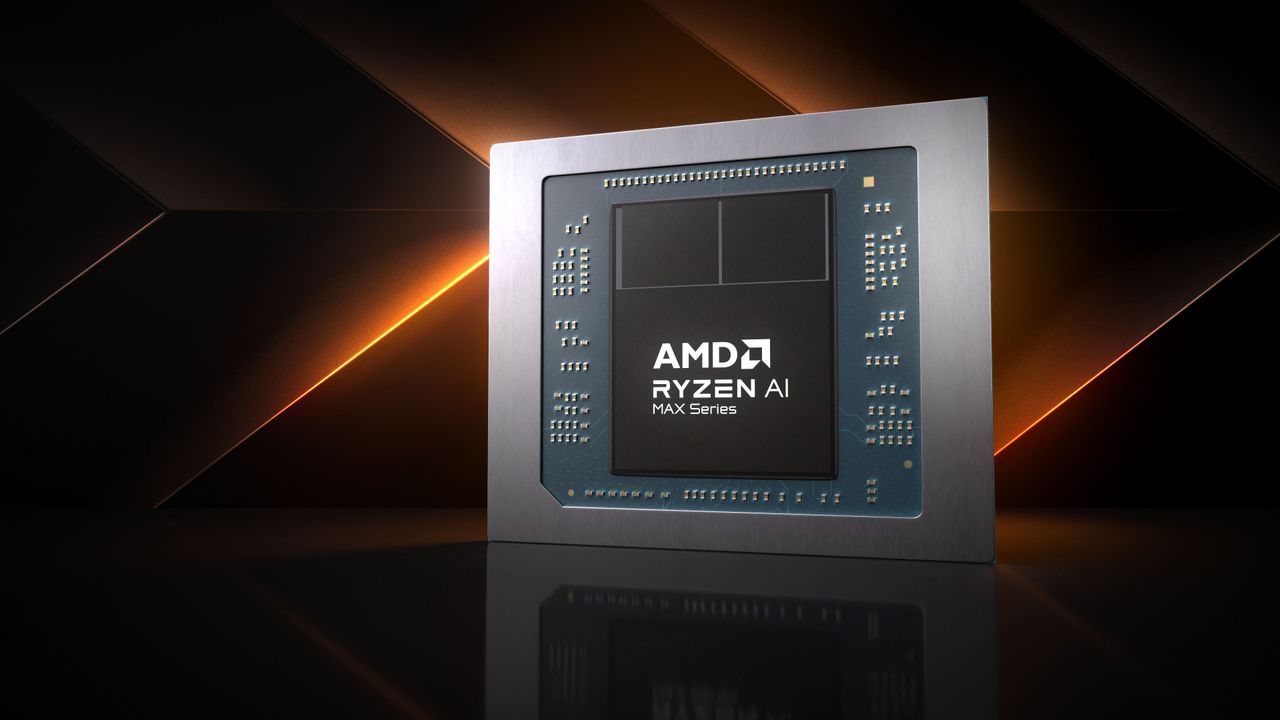
AMD Clarifies the Future of FSR 4.1 and RDNA 3.5
Frank Azor, AMD's Chief Architect of Gaming Solutions and Marketing, has stepped in to refute recent speculation regarding FSR 4.1 (FidelityFX Super Resolution) support for RDNA 3.5 architecture-based GPUs. Azor explicitly stated that “no such decision” has been made, dismissing rumors suggesting the absence of a porting of the upscaling technology for this specific graphics card generation.
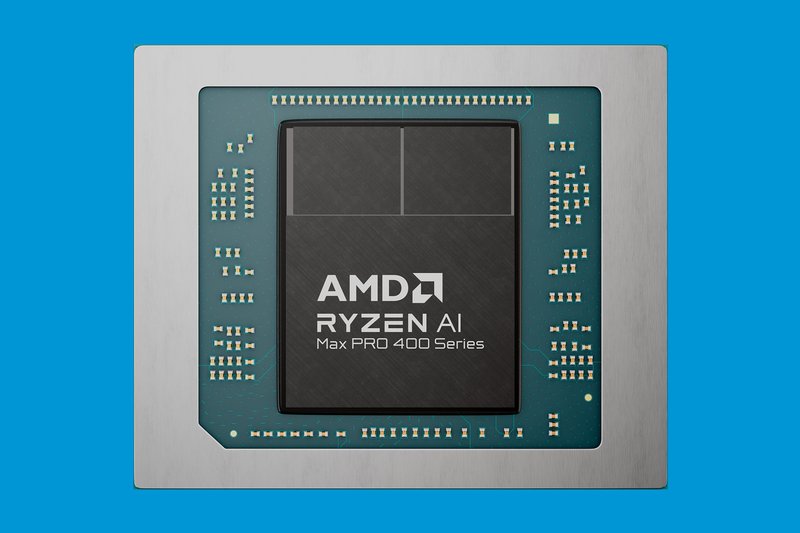
The discussion is part of the broader context of AMD's hardware evolution, which includes the recent Ryzen AI Max chips. These processors integrate artificial intelligence capabilities directly into the silicon, making the synergy between hardware components and software optimizations crucial for maximizing overall system performance. Clarity on FSR 4.1 is therefore significant for users and for those evaluating the adoption of AMD solutions for workloads ranging from gaming to AI acceleration.
The Importance of Software Support for Hardware
Continuous software support is a fundamental pillar for the longevity and efficiency of any hardware platform. Technologies like FSR, while primarily known for their impact in the gaming sector, demonstrate how software updates and optimizations can extend the lifecycle and improve the performance of an existing graphics architecture. For companies investing in infrastructure, especially for on-premise deployments, the promise of long-term software support directly translates into a more favorable TCO (Total Cost of Ownership).
The ability of a hardware manufacturer to provide updates that improve efficiency, introduce new features, or optimize resource utilization is a critical factor. This is particularly true for chips that integrate AI functionalities, where the evolution of models and algorithms often requires adequate software counterparts to fully exploit the potential of the underlying silicon. A robust software ecosystem ensures that hardware investment maintains its relevance over time, reducing the need for premature upgrades.
Implications for On-Premise and Edge Deployments
Ryzen AI Max chips, with their integrated capabilities, are particularly relevant for on-premise and edge deployment scenarios. In these contexts, where data sovereignty, low latency, and direct control over infrastructure are priorities, the efficiency of local hardware is crucial. The ability to rely on continuous software optimizations, even for integrated GPUs (RDNA 3.5), directly impacts the capacity to efficiently and sustainably run AI workloads, such as Large Language Models (LLM) inference or other machine learning applications.
For those evaluating on-premise deployments, the synergy between hardware and software is a key element in trade-off analysis. The promise of extended software support for RDNA 3.5 GPUs, even if not directly related to FSR for AI, indicates a broader commitment from AMD towards optimizing its platforms. This can influence purchasing decisions for infrastructures that require a balance between performance, energy efficiency, and operational costs, aspects that AI-RADAR explores in detail within its analytical frameworks on /llm-onpremise.
Future Prospects and AMD's Strategy
Frank Azor's statement underscores AMD's dynamic approach to product development and support. In a rapidly evolving technological market, where AI computing demands are growing exponentially, flexibility and adaptability are essential. Keeping options open for porting technologies like FSR 4.1 to existing or future architectures, such as RDNA 3.5, reflects a strategy aimed at maximizing the value offered to customers.
This approach is fundamental for consolidating AMD's position in the competitive hardware landscape, where innovation is not limited to the raw power of silicon but also to the ability to optimize that power through a robust and continuously evolving software ecosystem. The tech community awaits further developments to fully understand how AMD intends to support its GPU architectures and Ryzen AI Max chips in future software iterations.





💬 Comments (0)
🔒 Log in or register to comment on articles.
No comments yet. Be the first to comment!