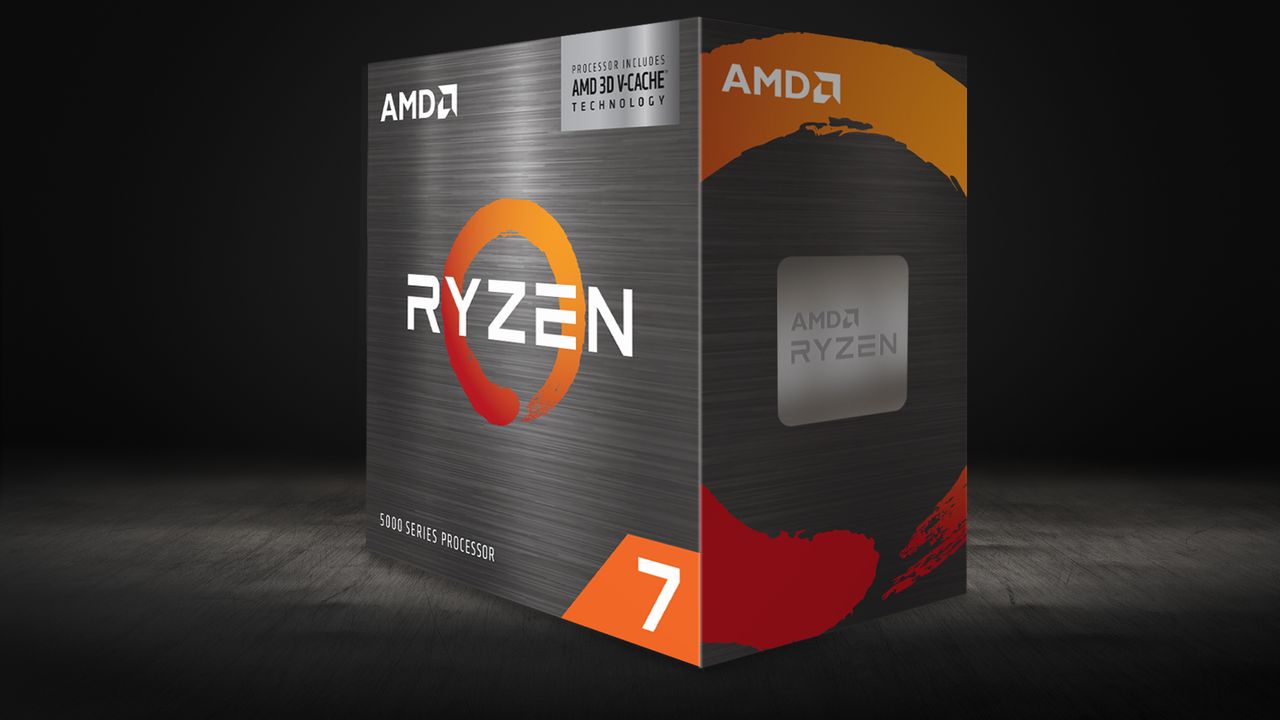
The Return of an Iconic Processor: AMD Ryzen 7 5800X3D
According to recent leaks emerging in the tech landscape, AMD is reportedly planning to re-release a 10th-anniversary edition of its Ryzen 7 5800X3D processor. This chip, known for redefining gaming performance expectations on the AM4 platform, has long been considered a benchmark for its efficiency and processing capabilities.
The potential return of such a highly regarded processor raises questions about AMD's market strategies and the current conditions of the PC sector. Some analysts suggest that this move could indicate a stagnant phase in the component market, prompting companies to capitalize on existing successful products. For IT decision-makers, however, the availability of established hardware with distinctive features can open new opportunities for on-premise deployments and edge computing, especially in scenarios where cost control and data sovereignty are priorities.
Architecture and Potential for Local Inference
At the core of the Ryzen 7 5800X3D lies its innovative 3D V-Cache technology, which integrates an additional layer of L3 cache directly onto the processor die. This cache extension, bringing the total L3 to 96MB, significantly reduces data access latency for the CPU, a crucial factor for response-time-sensitive applications. While GPUs are the dominant choice for large-scale Large Language Models (LLM) inference due to their high parallelization and dedicated VRAM, CPUs with extended caches like the 5800X3D can find a role in specific AI contexts.
For lighter inference workloads or smaller models, particularly those run at the edge or on local devices, a CPU's ability to quickly access large amounts of cached data can result in improved performance and reduced power consumption compared to oversized GPU solutions. This is particularly relevant for data pre-processing or post-processing pipelines, or for running embeddings and classification models that do not require the raw power of a high-end graphics accelerator.
Considerations for On-Premise and Edge Deployments
For organizations evaluating on-premise deployments or edge computing solutions, the reintroduction of a processor like the Ryzen 7 5800X3D offers interesting insights. The AM4 platform, being mature and widely adopted, allows for leveraging existing hardware infrastructure, reducing the initial Total Cost of Ownership (TCO). This is a key factor for companies looking to implement AI capabilities without the typical CapEx investments of new hardware generations or the recurring operational costs of cloud solutions.
In air-gapped environments or where data sovereignty is a stringent requirement, using CPUs for local inference ensures that data remains within the corporate perimeter, complying with regulations such as GDPR. Although throughput for large LLMs is lower compared to GPUs, for specific applications requiring low latency and local processing of sensitive data, a processor with such a generous L3 cache can represent an effective compromise. The choice between CPU and GPU for inference always depends on specific workload constraints, budget, and deployment objectives.
Future Prospects and Deployment Strategies
The potential return of the Ryzen 7 5800X3D, while based on leaks, underscores a broader trend in the tech industry: the optimization and valorization of existing hardware architectures to address new challenges. For CTOs and infrastructure architects, this means that the evaluation of deployment options for AI workloads must be holistic, considering not only the latest innovations but also the potential of established hardware.
The decision to adopt self-hosted or edge solutions for AI requires a thorough analysis of the trade-offs between performance, cost, energy consumption, and security requirements. The availability of high-performance CPUs for the AM4 platform offers a valid alternative for specific scenarios, helping to diversify deployment strategies. AI-RADAR continues to explore these analytical frameworks on /llm-onpremise to help companies navigate the complexities of choosing the most suitable infrastructure for their needs.






💬 Comments (0)
🔒 Log in or register to comment on articles.
No comments yet. Be the first to comment!