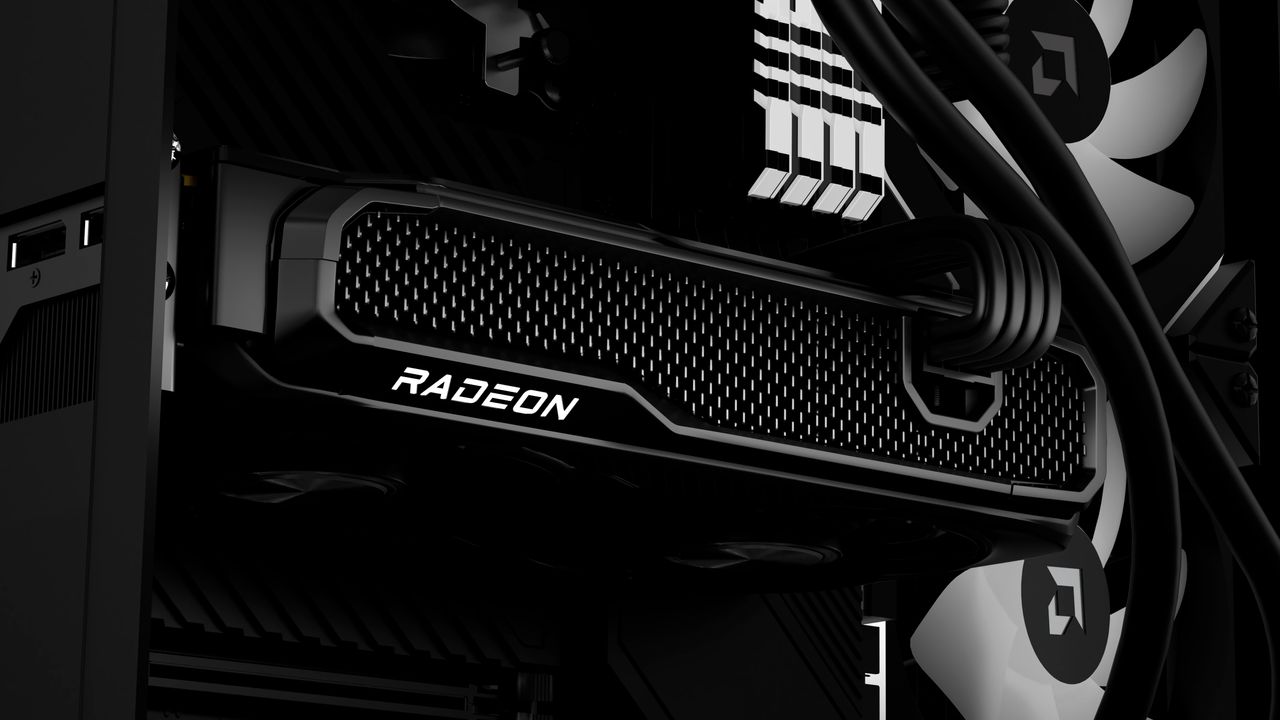
AMD Prepares New Entry-Level RDNA 4 GPU
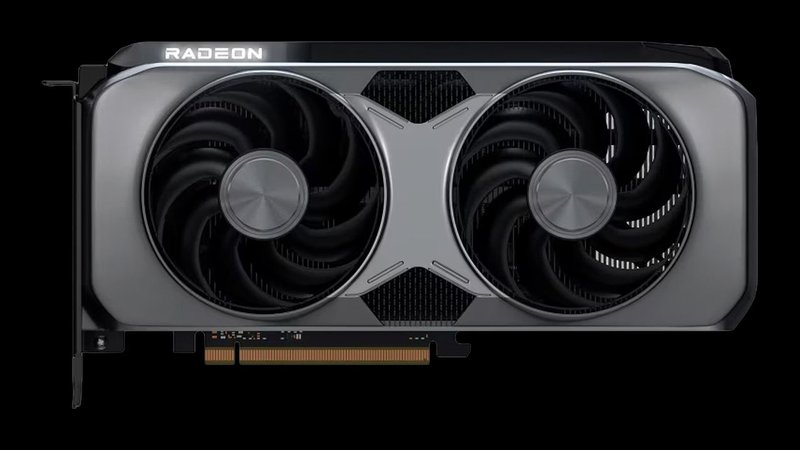
Industry whispers indicate that AMD is reportedly working on a new RDNA 4 series GPU, positioned in the entry-level segment of the market. The model, rumored to be named RX 9050, is anticipated with interesting specifications for those seeking accessible hardware solutions tailored for specific workloads.
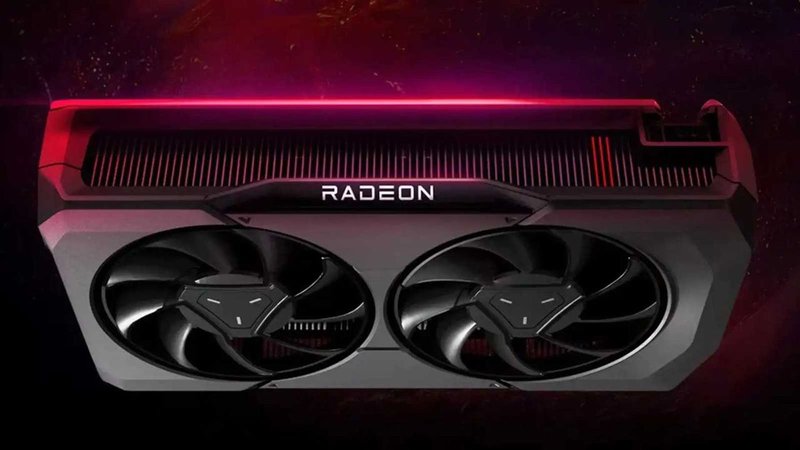
According to initial information, this graphics card is expected to feature 8GB of VRAM and 2048 cores. The same rumors suggest that the RX 9050 might even surpass the RX 9060 in terms of core count. Another mention concerns the AMD Radeon RX 9060 XT, suggesting an expansion of the product range. The introduction of a GPU with these characteristics could broaden AMD's offering, targeting a market segment that demands a balance between performance and cost.
Specifications and AI Potential
The 8GB of VRAM represents a key point for evaluating this GPU in artificial intelligence contexts. While not sufficient for the most complex Large Language Models or intensive training of large models, this memory capacity is adequate for running smaller models, for inference of quantized LLMs, or for AI tasks at the edge. The 2048 cores, though not comparable to high-end solutions, could ensure sufficient throughput for specific scenarios, such as real-time data processing or computer vision model inference.
The "entry-level" positioning of the RX 9050 suggests a focus on efficiency and accessibility. For companies exploring the deployment of AI solutions in controlled environments or with limited budgets, a GPU with these characteristics could represent a valid alternative. It is crucial to consider that hardware selection strictly depends on specific workload requirements, including model size, desired latency, and batch size.
Implications for On-Premise Deployments
For CTOs, DevOps leads, and infrastructure architects evaluating self-hosted alternatives to cloud solutions, the arrival of GPUs like the RX 9050 opens new perspectives. Hardware with 8GB of VRAM can be particularly interesting for scenarios requiring data sovereignty, regulatory compliance, or air-gapped environments, where cloud operational costs can become prohibitive or security policies do not allow outsourcing of sensitive data.
The ability to deploy LLMs and other AI models on on-premise infrastructure, even with mid-range hardware, allows for greater control over TCO and resource management. Although absolute performance may be lower than high-end cards, the trade-off in terms of initial cost and operational flexibility can be significant for certain applications. AI-RADAR offers analytical frameworks on /llm-onpremise to evaluate these trade-offs, helping companies make informed decisions about on-premise deployments.
The GPU Landscape and Strategic Choices
The expansion of AMD's GPU lineup, with the introduction of models like the RX 9050 and the mention of the RX 9060 XT, reflects a strategy aimed at covering various market segments. This approach offers enterprise buyers a greater variety of choice, allowing them to select the most suitable hardware for their specific needs, from distributed training to large-scale or edge inference.
The availability of diversified hardware options is crucial in a rapidly evolving AI ecosystem. Purchasing decisions are not based solely on raw power, but also on factors such as energy consumption, software support, compatibility with existing frameworks, and scalability. The entry of new entry-level GPUs strengthens competition and stimulates innovation, benefiting those seeking efficient and controlled solutions for their AI workloads.





💬 Comments (0)
🔒 Log in or register to comment on articles.
No comments yet. Be the first to comment!