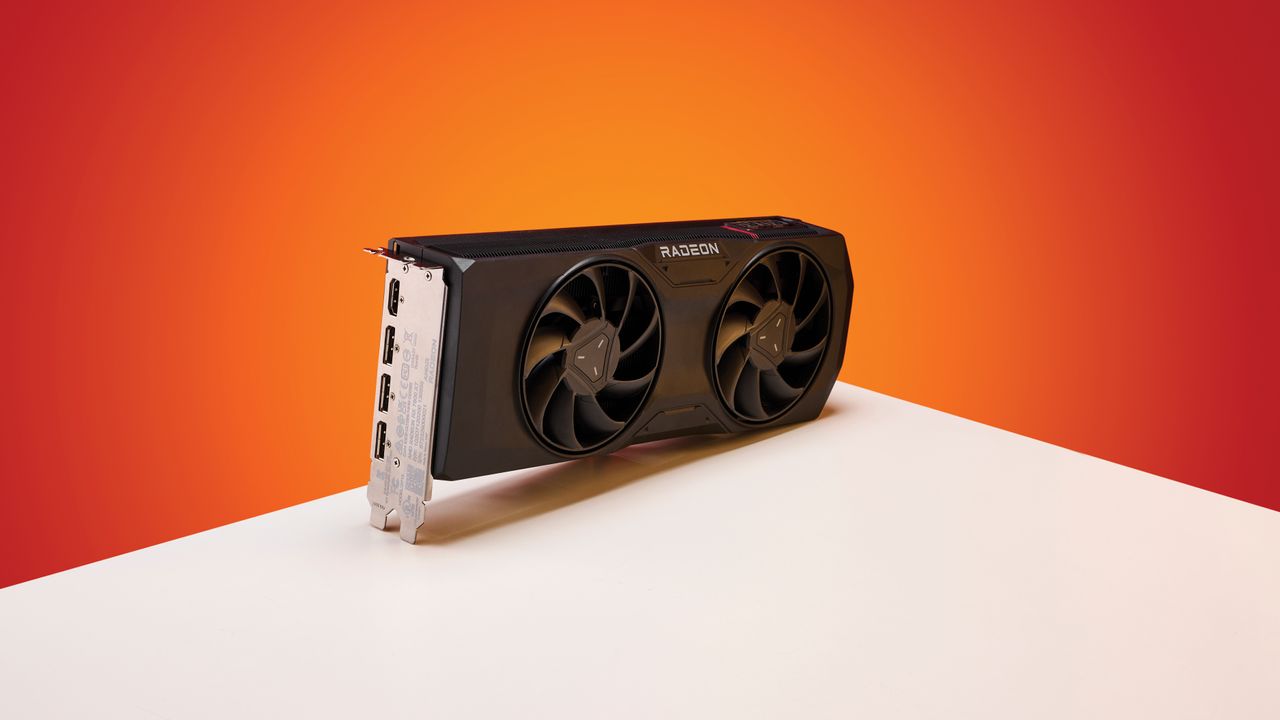
A Thermal Management Issue for AMD Radeon RX 7800 XT GPUs
Users of AMD Radeon RX 7800 XT graphics cards are reporting a widespread fan management issue, which has emerged following a recent driver update. Reports, primarily circulating on platforms like Reddit, indicate that the “Zero RPM” feature is not operating correctly, leading to an unexpected increase in GPU temperatures. This scenario, while seemingly a minor inconvenience for the consumer user, takes on critical relevance in the context of more demanding technological deployments.
Indeed, hardware stability and reliability, coupled with robust management software, are fundamental pillars for any infrastructure that must sustain continuous and intensive workloads. A driver malfunction can have significant repercussions on component performance and longevity, aspects that organizations evaluating on-premise AI solutions cannot afford to overlook.
Technical Details and Hardware Implications
The Zero RPM feature is designed to completely shut down the GPU fans when the card is idle or under very light load, with the goal of reducing noise and power consumption. The idea is that the fans activate only when the GPU temperature exceeds a certain threshold, ensuring a balance between quiet operation and effective cooling. However, reports indicate that, after the driver update, this logic is not being applied correctly, preventing the fans from starting even when temperatures begin to rise.
Ineffective thermal management can seriously compromise hardware longevity and operational stability. Excessive temperatures can lead to throttling, reducing GPU performance to prevent damage, or, in more severe cases, cause hardware failure. For intensive workloads such as Large Language Model (LLM) Inference or Fine-tuning smaller models, where GPUs often operate at their maximum capacity for extended periods, the ability to maintain optimal temperatures is absolutely critical. The Radeon RX 7800 XT, while a mid-range GPU, can be used in edge computing scenarios or small on-premise clusters, making its thermal reliability a non-negligible factor.
Context for On-Premise Deployments
For organizations opting for on-premise deployments of AI solutions, driver stability and hardware reliability are fundamental pillars for Total Cost of Ownership (TCO) and operational continuity. Unlike cloud environments, where hardware management is abstracted and delegated to the provider, in a self-hosted infrastructure, every hardware or software anomaly directly impacts the IT team. A problem like the one encountered by AMD users can translate into unexpected downtime, the need for manual interventions, and ultimately, an increase in operational costs.
The selection of hardware components, including drivers, must be guided by a rigorous evaluation of their stability and maturity. This is particularly true for air-gapped environments or those with stringent data sovereignty requirements, where reliance on frequent and potentially unstable software updates can represent a significant risk. For those evaluating on-premise deployments, AI-RADAR offers analytical frameworks on /llm-onpremise to assess the trade-offs between control, performance, and operational costs, highlighting the importance of a solid hardware and software foundation.
Outlook and Final Considerations
The incident concerning AMD Radeon RX 7800 XT GPUs underscores the importance of careful evaluation of software updates and the need for a rigorous testing process before their release. While driver issues are not new to the industry, their impact on critical components like GPU thermal management highlights a vulnerability that companies must consider. The user community, as demonstrated by reports on Reddit, plays a crucial role in identifying and bringing these issues to light.
For technical decision-makers, this serves as a reminder: even the most performant hardware can be compromised by unstable software. Due diligence in vendor selection and the ability to actively monitor infrastructure performance and stability are essential to ensure that LLM deployments and other on-premise AI applications maintain expected levels of reliability and performance, protecting investment and data sovereignty.




💬 Comments (0)
🔒 Log in or register to comment on articles.
No comments yet. Be the first to comment!