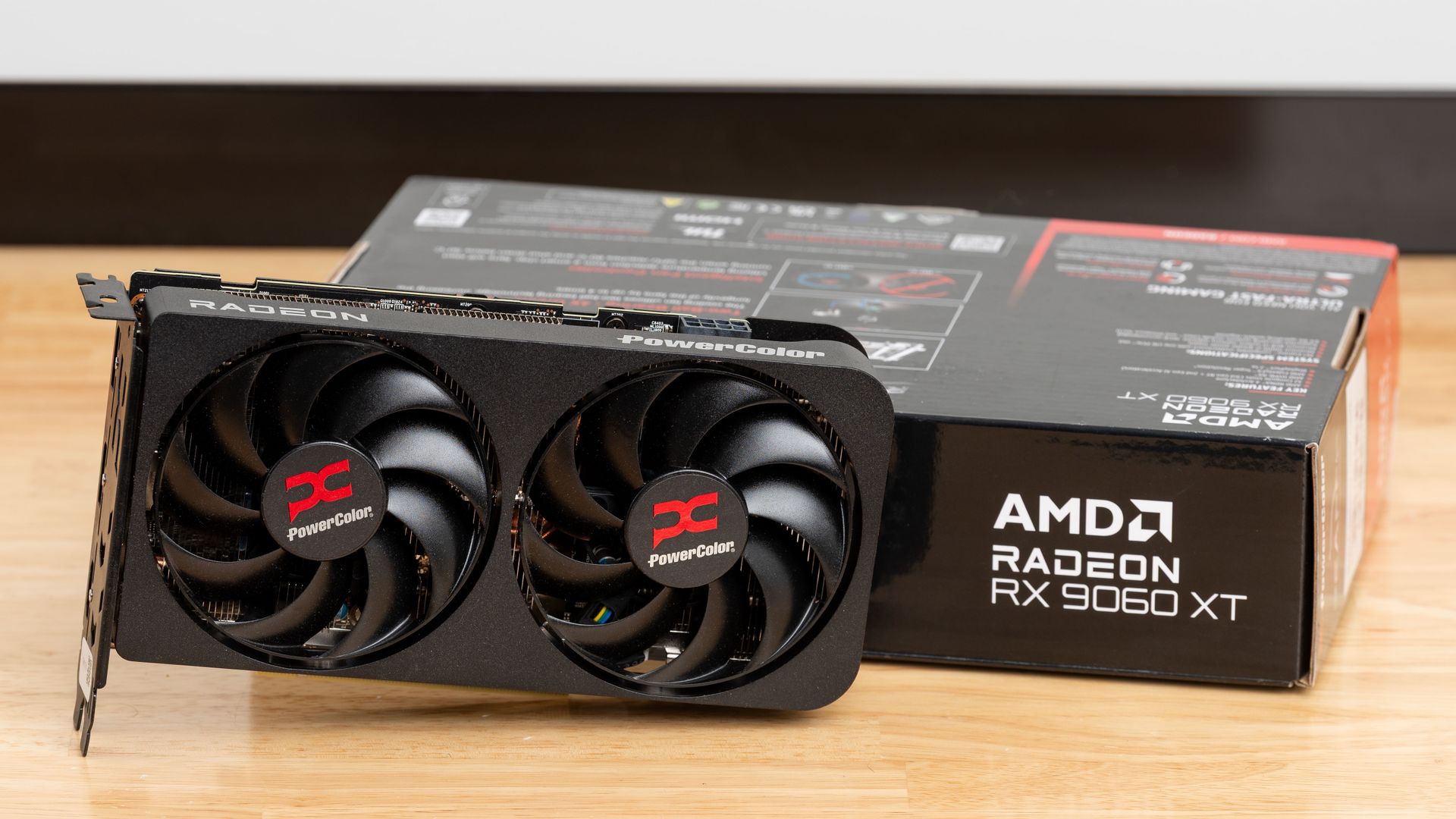
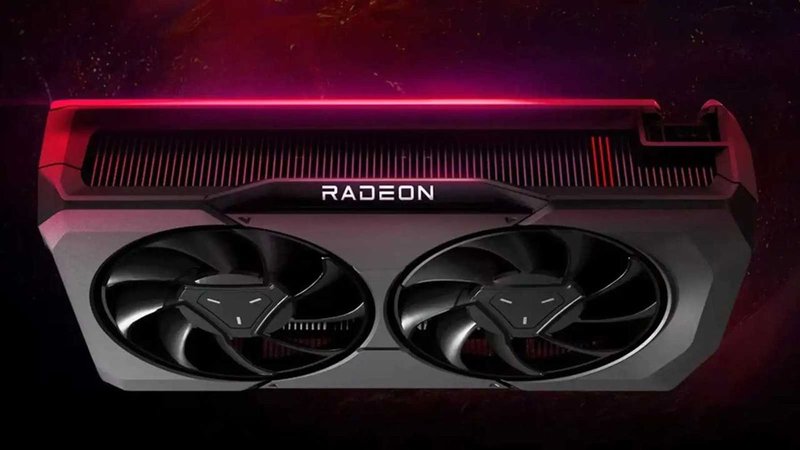
AMD has recently captured the attention of the hardware industry by setting a new world record for GPU frequency. The Radeon RX 9060 XT graphics card achieved an impressive 4.837 GHz, a result that highlights the company's engineering capabilities in pushing the limits of silicon performance.
This type of record, often achieved under extreme conditions and with specialized cooling, is a clear indicator of the raw power that modern GPU architectures can express. However, for CTOs, DevOps leads, and infrastructure architects evaluating solutions for AI and Large Language Models (LLM) workloads in on-premise environments, raw clock speed is just one of many parameters to consider.
Beyond Frequency: AI Requirements for On-Premise Deployment
In the context of LLM inference and training, a GPU's operating frequency certainly contributes to processing speed. However, other factors often take on greater importance. The amount and speed of VRAM (Video RAM) are crucial for hosting large models and managing extended context windows. Models like Llama 3 70B or Mixtral 8x22B require tens of gigabytes of VRAM to run in FP16, and even with advanced Quantization techniques, memory remains a primary constraint. Memory throughput, bus bandwidth, and the presence of specialized compute units (such as NVIDIA's Tensor Cores or AMD's equivalent units for matrix computation) are elements that determine overall efficiency in AI scenarios.
Radeon RX series GPUs, while extremely performant for gaming and some general-purpose computing applications, are typically consumer cards. AMD's professional solutions, such as the Instinct series, or NVIDIA's data center GPUs (e.g., A100, H100), are designed specifically for AI workloads. These offer not only higher VRAM and bandwidth but also a more mature software ecosystem, AI-optimized drivers, support for complex multi-GPU configurations (like NVLink or Infinity Fabric), and enterprise-grade management and monitoring features. Such characteristics are fundamental for ensuring stability, scalability, and reliability in an on-premise deployment.
TCO and Data Sovereignty: The True Drivers of Hardware Decisions
For organizations choosing a self-hosted or air-gapped deployment for reasons of data sovereignty, compliance, or control, the hardware decision goes far beyond peak specifications. Total Cost of Ownership (TCO) becomes a determining factor. Cards with extreme frequencies can lead to high power consumption and significant cooling requirements, impacting long-term operational costs. The robustness of the software stack, ease of integration with existing infrastructure, and technical support are equally vital.
A frequency record like that achieved by the Radeon RX 9060 XT is a demonstration of technological strength that drives innovation. However, for those who must build and manage critical AI infrastructures, hardware selection requires a holistic analysis that balances performance, energy efficiency, costs, scalability, and alignment with strategic objectives of control and data sovereignty. For those evaluating on-premise deployment, AI-RADAR offers analytical frameworks on /llm-onpremise to assess these complex trade-offs, ensuring that hardware decisions fully support the organization's operational and strategic needs.





💬 Comments (0)
🔒 Log in or register to comment on articles.
No comments yet. Be the first to comment!