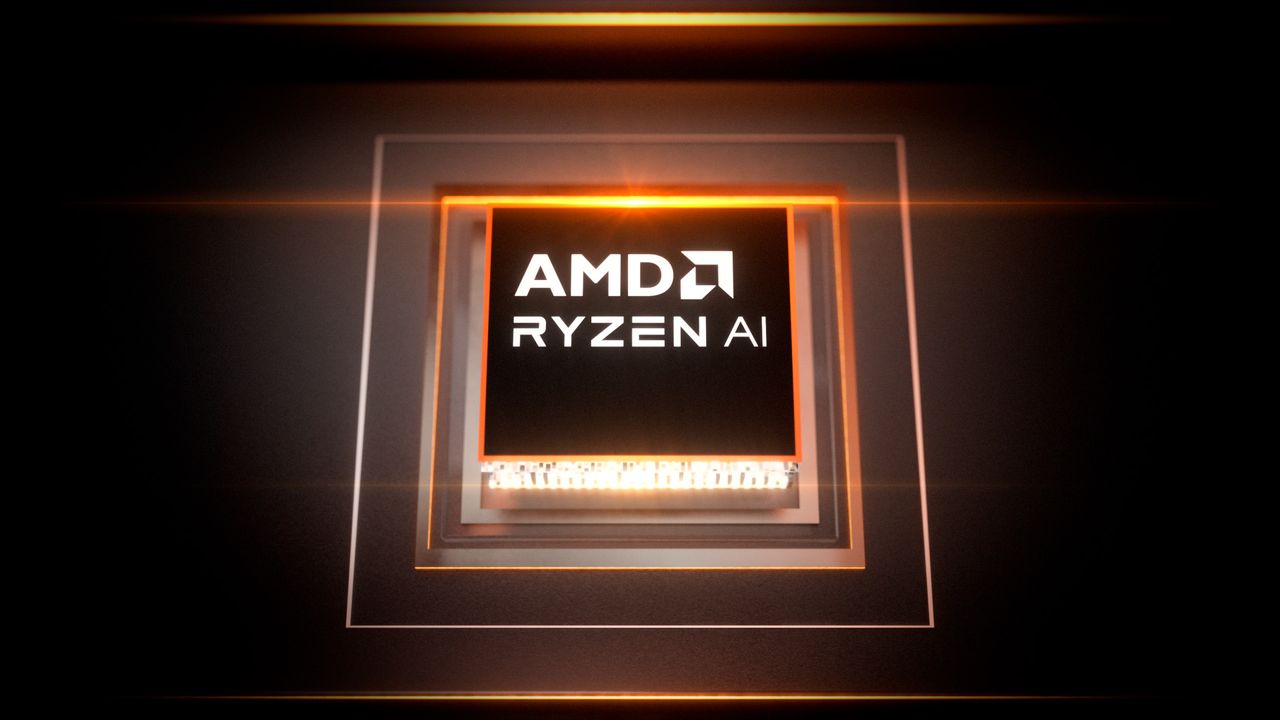
AMD Ryzen AI 5 435G: Un Nuovo Chip Zen 5 Per l'AI Locale
AMD ha recentemente svelato la sua nuova APU Ryzen AI 5 435G, un processore a sei core basato sull'architettura Zen 5. Questo chip, che integra capacità di intelligenza artificiale, si posiziona come una soluzione interessante per i costruttori di PC attenti al budget, offrendo un'alternativa al Ryzen 5 8600G. Le prime valutazioni indicano un potenziale significativo per l'elaborazione AI direttamente sul dispositivo, un aspetto cruciale per chi valuta deployment on-premise e soluzioni edge.
L'introduzione di APU con funzionalità AI integrate segna un passo avanti nell'offrire capacità di calcolo avanzate al di fuori dei tradizionali data center. Per le aziende che necessitano di elaborare dati sensibili localmente o che operano in ambienti con connettività limitata, soluzioni come il Ryzen AI 5 435G possono rappresentare un'opzione valida per abilitare applicazioni AI distribuite, riducendo la dipendenza dal cloud e migliorando la sovranità dei dati.
Dettagli Tecnici e Capacità di Inference AI
Il cuore del Ryzen AI 5 435G è l'architettura Zen 5 a sei core, progettata per offrire un equilibrio tra performance e efficienza energetica. La dicitura "Ryzen AI" indica la presenza di un'unità di elaborazione neurale (NPU) dedicata, che accelera specifici carichi di lavoro di intelligenza artificiale, come l'Inference di Large Language Models (LLM) di dimensioni contenute o modelli di visione artificiale. Questa integrazione hardware permette di scaricare le operazioni AI dalla CPU e dalla GPU integrata, migliorando la reattività e l'efficienza complessiva del sistema.
Sebbene una APU non possa competere con la VRAM e la potenza di calcolo di GPU dedicate di fascia alta, come le NVIDIA H100 o A100, offre un punto di ingresso accessibile per l'Inference AI. Per LLM che sono stati sottoposti a Quantization (ad esempio, a 4-bit o 8-bit), o per modelli più piccoli, una NPU integrata può fornire Throughput sufficiente per scenari d'uso specifici, come assistenti virtuali locali, analisi di dati in tempo reale su endpoint o applicazioni di sicurezza. La sfida rimane sempre nel bilanciare le esigenze di memoria e calcolo con i vincoli di costo e consumo energetico.
Implicazioni per Deployment On-Premise e TCO
Il posizionamento del Ryzen AI 5 435G per "budget PC builders" ha implicazioni dirette per le strategie di Deployment on-premise, in particolare per le piccole e medie imprese o per i dipartimenti che cercano soluzioni AI a basso TCO. L'investimento iniziale in hardware con capacità AI integrate può essere significativamente inferiore rispetto all'acquisto di server con GPU discrete o all'utilizzo di servizi cloud a consumo. Questo rende l'AI più accessibile per testare prototipi o per implementare soluzioni su scala ridotta.
La capacità di eseguire l'Inference AI localmente contribuisce anche alla sovranità dei dati, un aspetto sempre più critico per settori regolamentati. Mantenere i dati all'interno del perimetro aziendale, senza la necessità di inviarli a servizi cloud esterni, semplifica la compliance e riduce i rischi di sicurezza. Tuttavia, è fondamentale valutare attentamente i trade-off in termini di scalabilità e performance, poiché le soluzioni basate su APU potrebbero non essere adatte per carichi di lavoro LLM intensivi o per training complessi.
Prospettive Future e Scenari d'Uso
L'emergere di APU come il Ryzen AI 5 435G sottolinea una tendenza chiara nel settore: portare le capacità AI sempre più vicino all'utente finale e alla fonte dei dati. Questo non solo apre la strada a nuove applicazioni su dispositivi client e edge, ma offre anche alle organizzazioni maggiore flessibilità nel progettare le proprie Pipeline AI. Per chi valuta Deployment on-premise, l'integrazione di NPU nelle CPU rappresenta un'opportunità per ottimizzare i costi e migliorare la latenza per carichi di lavoro specifici.
In un contesto dove la scelta tra cloud e Self-hosted è sempre più complessa, soluzioni hardware come questa arricchiscono il panorama delle opzioni disponibili. AI-RADAR offre Framework analitici su /llm-onpremise per valutare i trade-off tra diverse strategie di Deployment, aiutando i decision-makers a comprendere come integrare al meglio queste nuove tecnicie nelle loro infrastrutture. Il Ryzen AI 5 435G, con le sue capacità AI integrate e il suo posizionamento di costo, è un esempio concreto di come l'hardware stia evolvendo per supportare un'adozione più ampia e decentralizzata dell'intelligenza artificiale.








💬 Commenti (0)
🔒 Accedi o registrati per commentare gli articoli.
Nessun commento ancora. Sii il primo a commentare!