
AMD Ryzen AI Halo PC: A New Horizon for Local AI
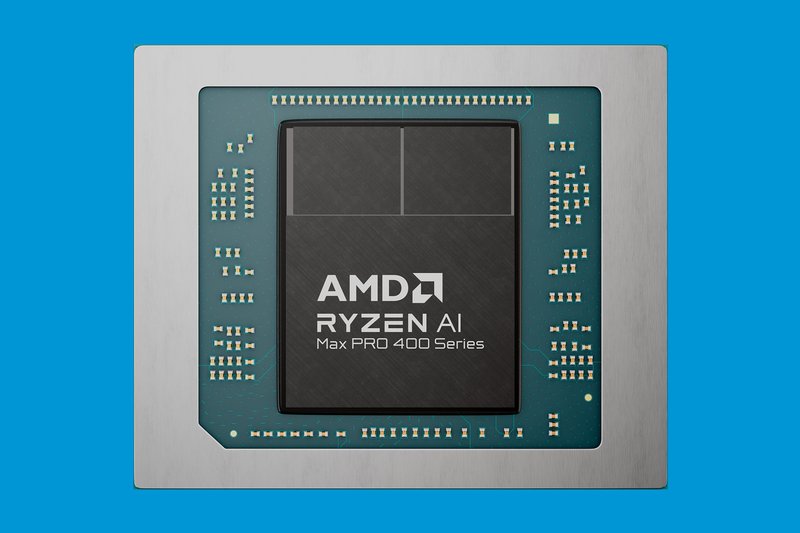
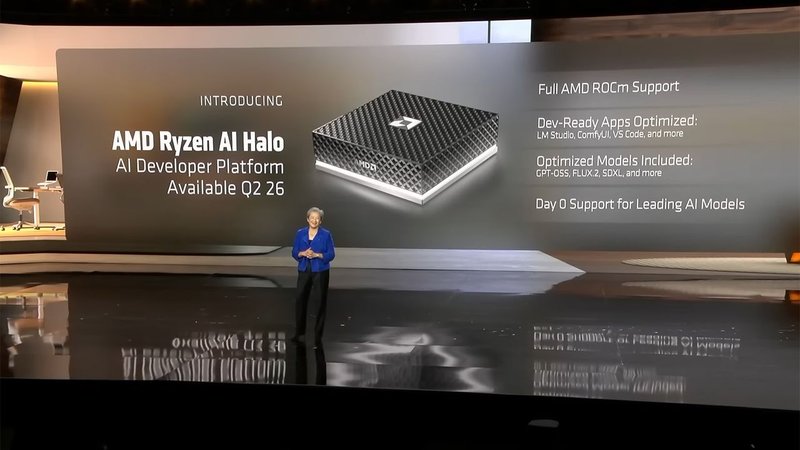
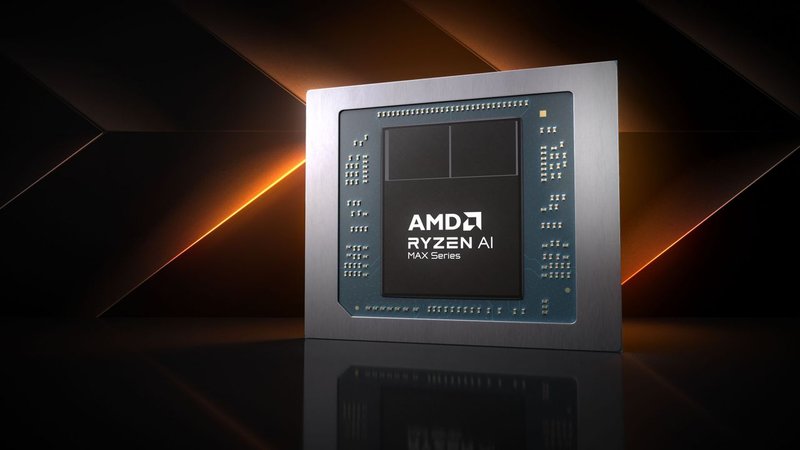
The artificial intelligence landscape continues to evolve rapidly, with increasing interest in AI processing capabilities directly on client devices and within on-premise infrastructures. In this context, AMD is preparing to introduce its Ryzen AI Halo PC to the market, a desktop system that promises to bring significant local AI computing power. The announced configuration includes 128GB of system memory and a price tag of $3999, positioning it as an interesting proposition for those evaluating alternatives to cloud services.
This move by AMD reflects a broader industry trend where the need to process AI models closer to the data source, or directly at the endpoint, is becoming increasingly pressing. The objective is twofold: to reduce latency and ensure greater data sovereignty, both crucial aspects for many enterprise applications.
Technical Specifications and Implications for LLM Workloads
The most prominent feature of the Ryzen AI Halo PC is its 128GB of system memory. For Large Language Models (LLMs), the amount of available memory is a critical factor. Substantial models, even after Quantization techniques, require ample capacity to be loaded and to handle extended context windows. While this memory is system RAM and not dedicated GPU VRAM, such a high amount can still enable the execution of medium-sized LLMs that can leverage shared memory or run entirely on the CPU with the aid of an integrated neural processing unit (NPU), as suggested by the "Ryzen AI Halo" name.
This type of hardware configuration can be particularly advantageous for developing and testing LLMs in controlled environments, or for Inference of smaller, specialized models directly in an office or a local data center. The ability to manage complex models without relying on external cloud resources offers a level of flexibility and control that is often a priority for companies with stringent security and compliance requirements.
The Context of On-Premise Deployment and Trade-offs
The introduction of systems like the AMD Ryzen AI Halo PC fits perfectly into the debate between on-premise and cloud Deployment for AI workloads. For CTOs, DevOps leads, and infrastructure architects, evaluating the Total Cost of Ownership (TCO) is fundamental. An initial investment of $3999 for a system with 128GB of memory represents a CapEx cost that must be balanced against the recurring operational costs of cloud services, often consumption-based.
Advantages of on-premise Deployment include data sovereignty, the ability to operate in air-gapped environments, and greater long-term cost predictability. However, it is essential to also consider the trade-offs: hardware management, power, cooling, and scalability can present challenges. While cloud solutions offer nearly unlimited scalability and managed maintenance, self-hosted solutions require internal expertise and infrastructure investments. The Ryzen AI Halo PC, while not a data center solution, can serve as an edge node or a powerful development workstation, reducing network dependency and improving latency for sensitive applications.
Outlook for the Local AI Ecosystem
AMD's initiative with the Ryzen AI Halo PC underscores the growing maturity of the local AI ecosystem. As Large Language Models become more efficient and Quantization techniques advance, the ability to run these models on less demanding hardware, such as desktop PCs or edge servers, becomes a tangible reality. This opens new opportunities for businesses looking to experiment with generative AI or implement customized solutions without the constraints or costs associated with large cloud providers.
For technical decision-makers, the availability of dedicated AI hardware options at competitive prices is a key factor in strategic planning. The choice between a fully cloud, hybrid, or entirely on-premise approach will always depend on a careful analysis of specific requirements, budget constraints, and corporate priorities in terms of security and control. The AMD Ryzen AI Halo PC represents another piece in this complex puzzle, offering a concrete solution for those seeking significant AI performance outside the cloud.




💬 Comments (0)
🔒 Log in or register to comment on articles.
No comments yet. Be the first to comment!