Team Group e l'accordo sulla pubblicità ingannevole delle memorie DDR4
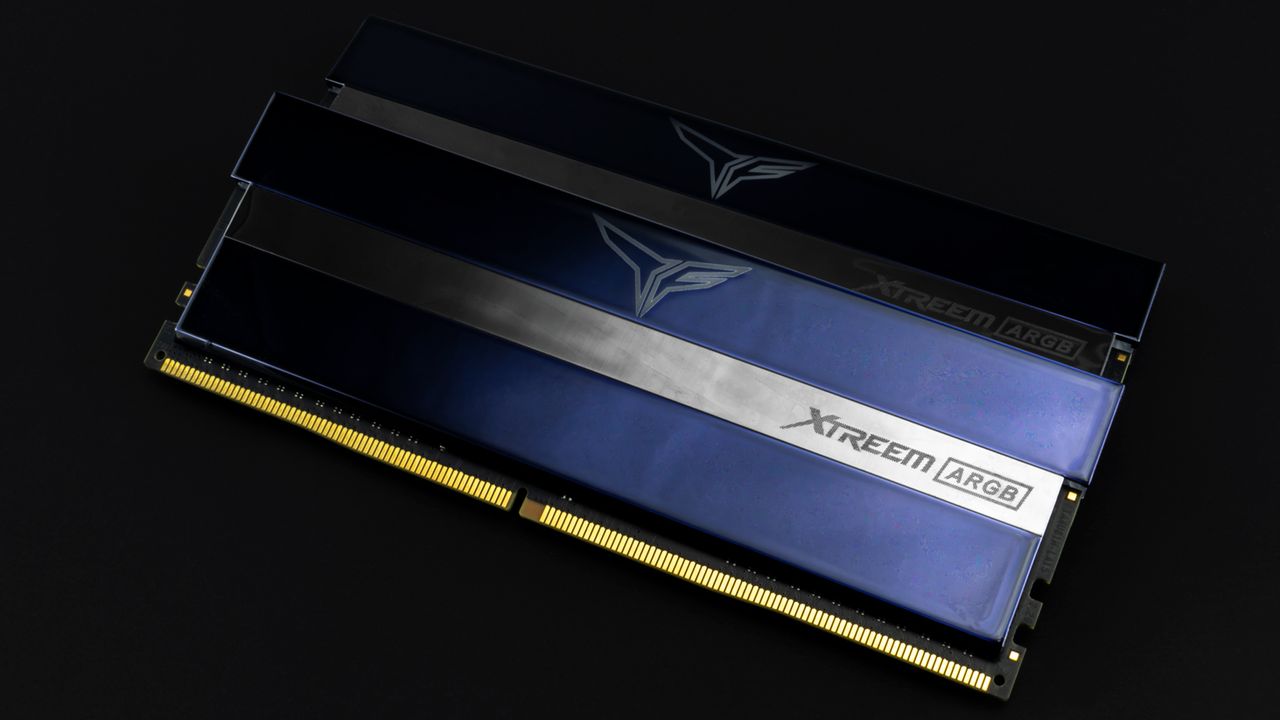
Team Group, noto produttore di componenti hardware, ha recentemente raggiunto un accordo transattivo da 1,1 milioni di dollari in una causa per pubblicità ingannevole. La vertenza si è concentrata sulle specifiche di performance delle sue memorie T-Force Xtreem ARGB DDR4-3600 CL14. L'accusa principale riguardava il fatto che le velocità di memoria pubblicizzate non fossero raggiungibili con le impostazioni predefinite, ma richiedessero invece modifiche manuali al BIOS e l'attivazione di profili di overclocking.
Questo episodio, che non è il primo per l'azienda in materia di pubblicità, mette in luce una problematica ricorrente nel settore hardware: la discrepanza tra le performance dichiarate e quelle effettivamente disponibili all'utente finale senza interventi specifici. Per i professionisti del settore IT e i decision-maker, la chiarezza delle specifiche tecniche è un requisito fondamentale per la pianificazione e il deployment di infrastrutture affidabili.
Il Dettaglio Tecnico della Controversia
Il cuore della disputa risiede nella natura delle specifiche DDR4-3600 CL14. Mentre tali valori indicano prestazioni elevate per moduli di memoria, la loro raggiungibilità è spesso legata all'implementazione di profili XMP (Extreme Memory Profile) o simili, che di fatto costituiscono forme di overclocking pre-configurate. Tuttavia, la pubblicità che non chiarisce questa dipendenza può indurre in errore gli acquirenti, portandoli a credere che le velocità siano native e immediatamente disponibili.
Per un utente consumer, ciò potrebbe significare un'esperienza d'uso non ottimale o la necessità di configurazioni manuali. In un contesto enterprise, dove la stabilità e la prevedibilità delle performance sono critiche, l'affidabilità delle specifiche hardware è ancora più vitale. Componenti come la VRAM delle GPU, la velocità dei processori e, in questo caso, la RAM di sistema, sono elementi fondanti per il calcolo del throughput e della latenza in carichi di lavoro complessi, come l'Inference o il training di Large Language Models (LLM).
Implicazioni per il Settore e i Decision-Maker
Sebbene la causa riguardi un prodotto di fascia consumer, le sue implicazioni risuonano fortemente nel mondo enterprise, specialmente per chi valuta deployment on-premise. Architetti di infrastrutture e CTO si affidano a specifiche tecniche precise per dimensionare i sistemi, calcolare il TCO e garantire la sovranità dei dati. Se le performance dichiarate di un componente hardware non sono accurate o richiedono configurazioni non standard, ciò può portare a sottostime dei requisiti, colli di bottiglia inaspettati e, in ultima analisi, a costi operativi più elevati o a un mancato rispetto degli SLA.
La trasparenza nelle specifiche hardware è un pilastro per la fiducia nel mercato. Per chi progetta stack locali o ambienti air-gapped per LLM, ogni componente, dalla memoria al silicio delle GPU, deve fornire le performance promesse per evitare ritardi nel deployment e inefficienze. Questo incidente sottolinea l'importanza della due diligence e della verifica indipendente delle specifiche, un aspetto che AI-RADAR esplora con framework analitici su /llm-onpremise per valutare i trade-off tra diverse soluzioni hardware e di deployment.
Prospettive Future e la Fiducia nel Mercato Hardware
L'accordo raggiunto da Team Group serve da monito per l'intero settore hardware. La fiducia dei clienti, sia consumer che enterprise, si costruisce sulla coerenza tra quanto promesso e quanto effettivamente offerto. In un'era in cui la complessità tecnicica è in costante aumento, e dove le decisioni di investimento in infrastrutture AI sono strategiche, la chiarezza e l'integrità delle informazioni sui prodotti sono più importanti che mai.
Le aziende che operano nel settore dei data center e dei carichi di lavoro AI/LLM necessitano di garanzie sulle performance dei componenti per poter pianificare con precisione. Incidenti come questo rafforzano la necessità di standard industriali chiari e di una comunicazione trasparente, elementi essenziali per mantenere la fiducia e supportare l'innovazione in un mercato in rapida evoluzione.






💬 Commenti (0)
🔒 Accedi o registrati per commentare gli articoli.
Nessun commento ancora. Sii il primo a commentare!