L'Indiscrezione: 192GB di Memoria per il Prossimo Strix Halo
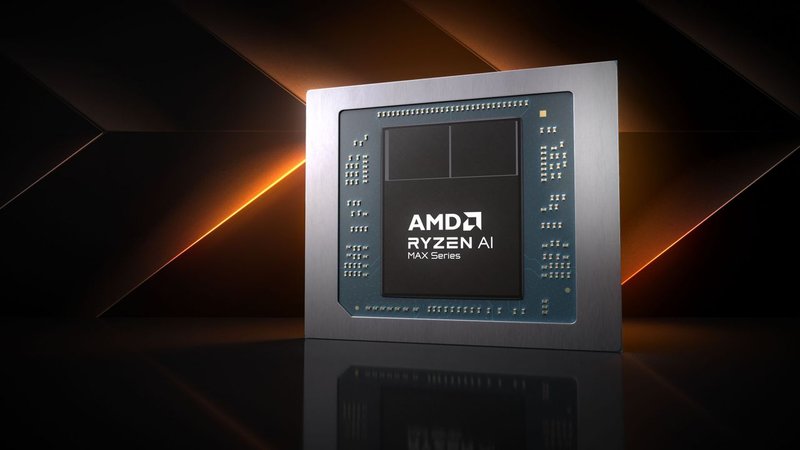
Il panorama dell'hardware dedicato all'intelligenza artificiale è in costante fermento, con i produttori di silicio che spingono i limiti delle capacità computazionali e di memoria. Le ultime indiscrezioni, emerse da fonti online, puntano i riflettori su una potenziale evoluzione della linea AMD Strix Halo. Si parla di un refresh, forse denominato "Gorgon Halo 495 Max" o "Ryzen AI Max Pro 495", che potrebbe integrare una quantità di memoria notevole: ben 192GB.
Questa specifica, se confermata, rappresenterebbe un salto qualitativo significativo per le soluzioni APU (Accelerated Processing Unit) di AMD. L'integrazione di una tale quantità di memoria direttamente nell'unità di elaborazione, affiancata da una iGPU Radeon 8065S, suggerisce un chiaro orientamento verso carichi di lavoro intensivi, in particolare quelli legati ai Large Language Models (LLM) eseguiti in locale. La disponibilità di 192GB di memoria su un singolo chip potrebbe ridefinire le aspettative per l'Inference di LLM su piattaforme compatte.
Implicazioni per i Large Language Models su Hardware Integrato
La capacità di memoria è un fattore critico per l'esecuzione efficiente dei Large Language Models. Modelli sempre più complessi e con finestre di contesto estese richiedono una VRAM o una memoria di sistema considerevole per essere caricati e processati. L'indiscrezione che un singolo Strix Halo possa offrire 192GB di memoria è particolarmente rilevante, poiché permetterebbe di gestire LLM di grandi dimensioni, come i modelli da 122B, con Quantization a 8-bit e un contesto quasi completo.
Tradizionalmente, l'esecuzione di modelli di questa scala ha richiesto schede grafiche discrete di fascia alta, spesso con costi e consumi energetici elevati. Un'APU con 192GB di memoria integrata potrebbe democratizzare l'accesso a capacità di Inference avanzate, rendendole disponibili su form factor più piccoli e con un potenziale TCO (Total Cost of Ownership) inferiore. Questo scenario apre nuove possibilità per le aziende che desiderano Deploy LLM in ambienti self-hosted, senza dipendere esclusivamente da infrastrutture cloud o da server dedicati con GPU multiple.
Il Contesto del Deployment On-Premise e il TCO
Per CTO, DevOps lead e architetti infrastrutturali, la possibilità di Deploy LLM in locale è spesso legata a esigenze di sovranità dei dati, compliance normativa (come il GDPR) e controllo totale sull'ambiente. Soluzioni come il presunto Strix Halo con 192GB di memoria si inseriscono perfettamente in questo contesto, offrendo una via per eseguire carichi di lavoro AI sensibili in ambienti air-gapped o comunque strettamente controllati.
Valutare il TCO di un deployment on-premise rispetto a un modello basato su cloud è fondamentale. Un'APU con elevate capacità di memoria integrata può ridurre la necessità di investimenti iniziali in GPU discrete costose e diminuire i costi operativi legati al consumo energetico e al raffreddamento. Sebbene le performance assolute possano non eguagliare quelle di cluster di GPU di fascia altissima, il trade-off in termini di efficienza, ingombro e costi complessivi potrebbe renderla una scelta attraente per specifici scenari aziendali. Per chi valuta deployment on-premise, AI-RADAR offre framework analitici su /llm-onpremise per valutare trade-off e vincoli specifici.
Prospettive Future e Considerazioni per i Decision-Makers
È importante sottolineare che le informazioni attuali si basano su indiscrezioni e non su annunci ufficiali. Tuttavia, la direzione indicata da queste voci riflette una tendenza più ampia nel settore del silicio: l'integrazione sempre maggiore di capacità AI direttamente nelle CPU e APU. Questo approccio mira a fornire soluzioni più efficienti e compatte per l'Inference di LLM, spostando parte del carico computazionale dall'edge al data center locale.
Per i decision-makers, la valutazione di queste nuove architetture richiederà un'analisi attenta dei trade-off. Sarà cruciale considerare non solo la capacità di memoria e la potenza di calcolo, ma anche fattori come il throughput, la latenza, la compatibilità con i Framework esistenti e il supporto software. L'emergere di soluzioni come il potenziale Strix Halo con 192GB di memoria evidenzia la rapida evoluzione del mercato e la necessità per le aziende di rimanere aggiornate sulle opzioni hardware che possono influenzare la loro strategia di Deployment AI.





💬 Commenti (0)
🔒 Accedi o registrati per commentare gli articoli.
Nessun commento ancora. Sii il primo a commentare!