A New Player in Intel's Supply Chain
AP Memory IPD has announced its entry into Intel's supply chain, focusing on the Embedded Multi-die Interconnect Bridge (EMIB) technology. This strategic collaboration anticipates component shipments to commence in the second quarter of 2026, marking a significant step for both companies in the semiconductor manufacturing landscape.
The integration of AP Memory IPD strengthens Intel's capability to produce chips with increasingly complex and high-performing architectures. For technical decision-makers planning AI infrastructures, stability and innovation within the supply chain are crucial aspects, as they directly influence the availability and capabilities of future hardware.
The Importance of Advanced Packaging for AI
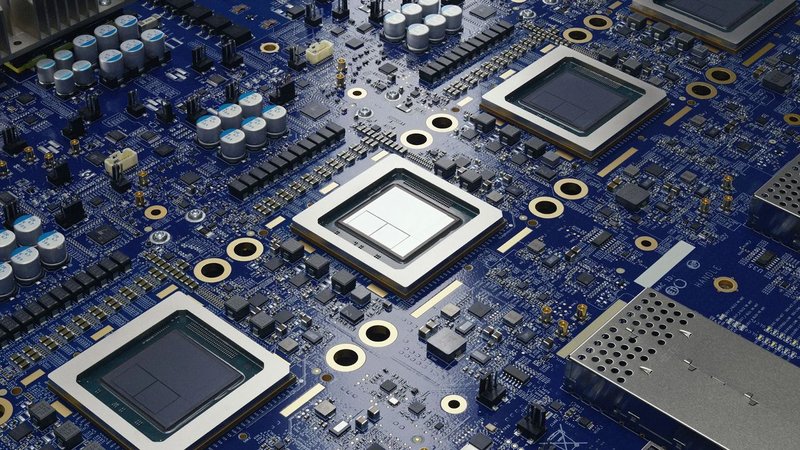
Intel's EMIB technology is an example of advanced packaging, a solution that allows multiple dies (chiplets) to be connected within a single package, overcoming the limitations of traditional monolithic designs. This approach is fundamental for the semiconductor industry, particularly for chips intended for artificial intelligence and Large Language Model (LLM) workloads.
Advanced packaging offers substantial benefits, including a significant increase in memory bandwidth, reduced latency, and improved power efficiency. These factors are critical for LLM Inference and training, which demand enormous amounts of VRAM and high throughput. The ability to integrate diverse functionalities, such as CPUs, GPUs, and memory, into a compact, interconnected package is essential to achieve the performance required by the most demanding AI applications.
Implications for On-Premise Deployments
For organizations evaluating on-premise deployments of AI workloads, innovation in advanced packaging has direct implications. More efficient and powerful hardware means the ability to run larger and more complex models locally, maintaining control over data sovereignty and ensuring compliance with stringent regulations, even in air-gapped environments.
The availability of advanced components through robust supply chains is vital for long-term Total Cost of Ownership (TCO) planning for AI infrastructures. Optimized hardware can reduce operational costs related to power consumption and cooling, factors that heavily impact self-hosted deployments. The 2026 delivery timeline suggests that companies will need to consider these evolutions in their strategic roadmaps for AI infrastructure.
Future Prospects and Production Challenges
AP Memory IPD's entry into Intel's EMIB supply chain reflects a broader trend in the semiconductor industry: the increasing reliance on specialized partners for critical components and processes. The complexity of modern chip manufacturing necessitates an ecosystem of highly qualified suppliers, each with specific expertise.
This collaboration underscores the continuous commitment to innovation in chip design and production, which is essential to meet the rapidly growing demand for AI computing power. Challenges remain significant, from scaling production to ensuring the quality and reliability of increasingly intricate components, but the evolution of these technologies is fundamental for the future of AI deployments, both on-premise and in other contexts.




💬 Comments (0)
🔒 Log in or register to comment on articles.
No comments yet. Be the first to comment!