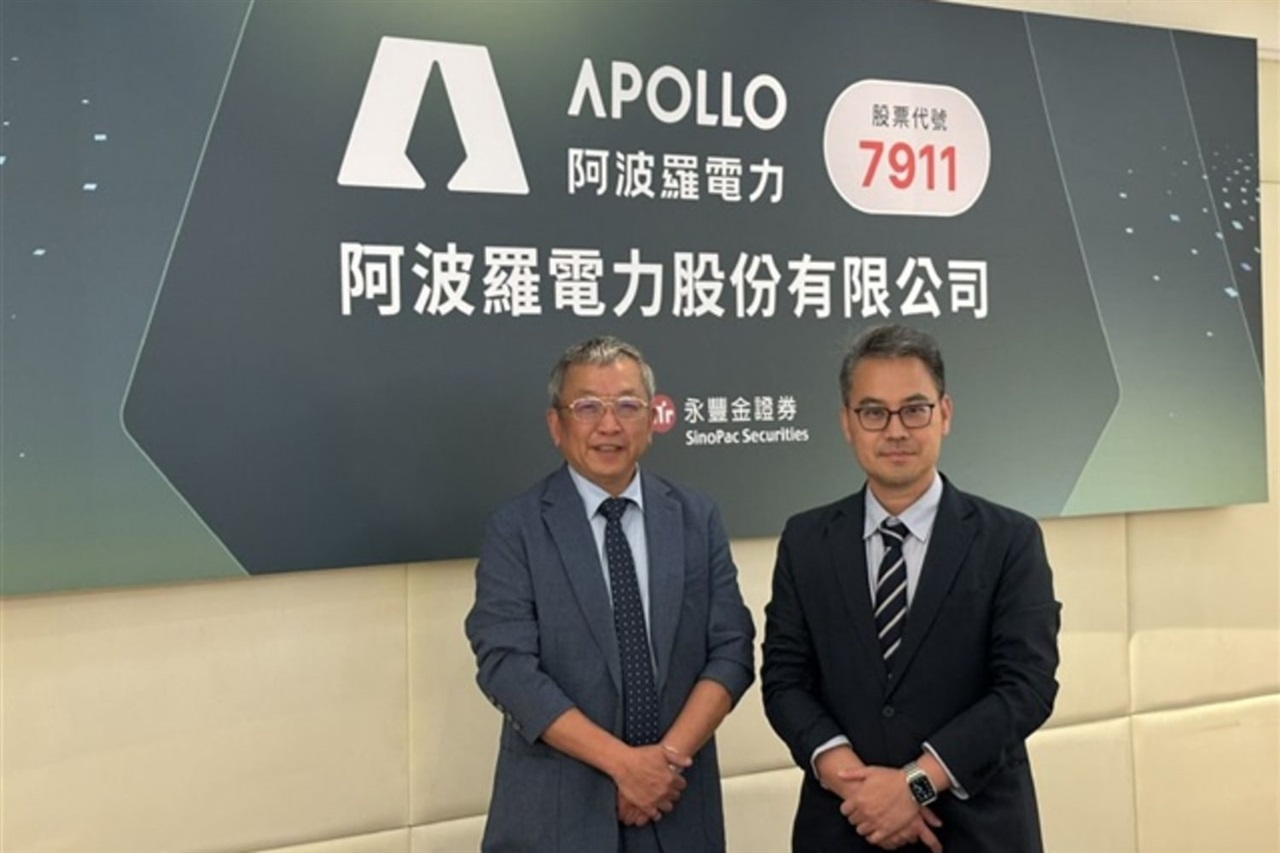
Apollo Power rafforza la sua posizione nelle soluzioni energetiche per l'AI
Apollo Power, un attore emergente nel settore delle soluzioni di alimentazione, ha annunciato di aver ottenuto un significativo supporto da parte di SEEC, Phison e Gigabyte. Questo investimento strategico è destinato a potenziare lo sviluppo di soluzioni energetiche specificamente progettate per i data center dedicati all'intelligenza artificiale. L'operazione evidenzia una crescente consapevolezza nel settore tech riguardo all'importanza cruciale dell'infrastruttura di alimentazione per sostenere la rapida espansione dei carichi di lavoro AI.
Il sostegno di aziende con un profilo così rilevante nel panorama tecnicico, come Gigabyte nel settore hardware e Phison in quello dello storage, sottolinea la visione condivisa sulla necessità di innovare anche negli aspetti più "fondamentali" dell'infrastruttura IT. Per le organizzazioni che valutano il deployment di Large Language Models (LLM) e altri carichi di lavoro AI, la stabilità e l'efficienza dell'alimentazione rappresentano un pilastro imprescindibile.
L'importanza critica dell'alimentazione nei data center AI
I moderni data center che ospitano carichi di lavoro di intelligenza artificiale sono caratterizzati da una densità di potenza senza precedenti. Componenti come le GPU di ultima generazione, ad esempio le NVIDIA H100 o le AMD Instinct MI300X, possono assorbire centinaia di watt ciascuna, e in configurazioni multi-GPU all'interno di un singolo server, il consumo energetico può raggiungere livelli elevatissimi. Questo pone sfide significative non solo in termini di fornitura di energia, ma anche per la dissipazione del calore e la gestione complessiva dell'efficienza.
Una soluzione di alimentazione robusta e affidabile è fondamentale per garantire il throughput e la stabilità operativa degli stack AI. Interruzioni o fluttuazioni di corrente possono compromettere l'integrità dei dati, interrompere processi di training complessi e costosi, e ridurre drasticamente la disponibilità dei servizi di inference. L'efficienza energetica, inoltre, non è solo una questione ambientale, ma incide direttamente sul Total Cost of Ownership (TCO) di un data center, influenzando le spese operative a lungo termine.
Implicazioni per i deployment on-premise e la sovranità dei dati
Per CTO, DevOps lead e architetti di infrastruttura che optano per deployment AI self-hosted o on-premise, la scelta delle soluzioni di alimentazione assume un'importanza ancora maggiore. A differenza degli ambienti cloud, dove la gestione dell'infrastruttura fisica è delegata al provider, in un contesto on-premise la responsabilità ricade interamente sull'organizzazione. Ciò include la pianificazione della capacità energetica, la resilienza, i sistemi di raffreddamento e la manutenzione.
La capacità di gestire in modo efficiente l'alimentazione è direttamente collegata alla scalabilità e alla sostenibilità di un'infrastruttura AI locale. Inoltre, per le aziende che privilegiano la sovranità dei dati, la compliance normativa o la necessità di ambienti air-gapped, il controllo completo sull'infrastruttura fisica, inclusa l'alimentazione, è un requisito non negoziabile. La scelta di soluzioni energetiche adeguate diventa quindi un fattore critico nella valutazione dei trade-off tra CapEx iniziale e OpEx continuo, influenzando la fattibilità economica e operativa di un progetto AI self-hosted. Per chi valuta deployment on-premise, AI-RADAR offre framework analitici su /llm-onpremise per valutare questi trade-off.
Prospettive future e l'evoluzione dell'infrastruttura AI
L'investimento in Apollo Power da parte di attori chiave del settore evidenzia una tendenza chiara: l'innovazione nell'infrastruttura di supporto è tanto cruciale quanto quella nei chip e nei modelli AI stessi. Man mano che i Large Language Models diventano più grandi e complessi, e i requisiti di training e inference aumentano, la domanda di soluzioni energetiche sempre più efficienti, dense e affidabili non potrà che crescere.
Il futuro dei data center AI richiederà un'integrazione sempre più stretta tra hardware di calcolo, sistemi di raffreddamento e soluzioni di alimentazione. Le aziende che sapranno anticipare e investire in queste aree saranno meglio posizionate per gestire i costi operativi, garantire la continuità dei servizi e mantenere un vantaggio competitivo nell'era dell'intelligenza artificiale. La sfida non è solo fornire energia, ma farlo in modo intelligente, sostenibile e resiliente.






💬 Commenti (0)
🔒 Accedi o registrati per commentare gli articoli.
Nessun commento ancora. Sii il primo a commentare!