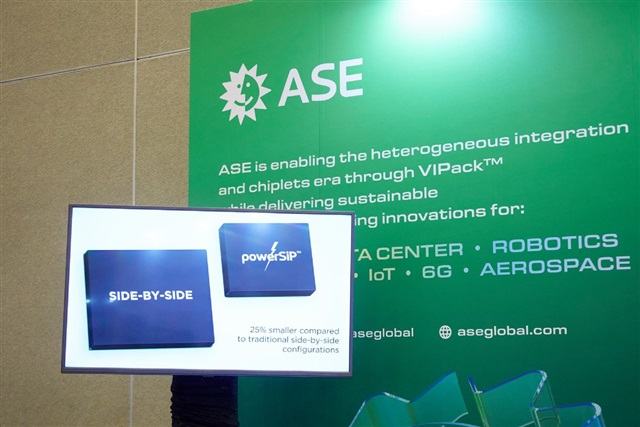
ASE incrementa gli investimenti per il futuro dell'AI
ASE (Advanced Semiconductor Engineering), uno dei principali fornitori di servizi di assemblaggio e test di semiconduttori, ha annunciato un significativo incremento del proprio CapEx (Capital Expenditure) per il 2026, portandolo a un record di 8,5 miliardi di dollari. Questa mossa strategica è una risposta diretta alla crescente e robusta domanda di soluzioni di packaging avanzato, un segmento tecnicico che si rivela sempre più cruciale per l'evoluzione dei carichi di lavoro legati all'intelligenza artificiale e ai Large Language Models (LLM).
L'investimento riflette una chiara previsione di crescita nel settore dell'AI, dove la capacità di elaborazione e l'efficienza energetica dei chip dipendono in larga misura dalle tecnicie di interconnessione e integrazione. Per le aziende che valutano deployment on-premise di LLM, questo annuncio sottolinea l'importanza di monitorare gli investimenti a monte nella supply chain dei semiconduttori, poiché influenzano direttamente la disponibilità e il costo dell'hardware ad alte prestazioni.
Il ruolo strategico del packaging avanzato nell'era dell'AI
Il packaging avanzato non è più un semplice passaggio finale nella produzione di chip, ma è diventato un fattore abilitante critico per le architetture hardware moderne, specialmente quelle destinate all'AI. Tecnologie come il 2.5D e il 3D packaging permettono di integrare più die (chip) in un unico package, superando i limiti fisici imposti dalla legge di Moore per i singoli transistor. Questo è fondamentale per le GPU e gli acceleratori AI, dove la vicinanza tra la logica di calcolo e la memoria ad alta larghezza di banda (HBM) è essenziale per minimizzare la latenza e massimizzare il throughput.
Un packaging efficiente consente di gestire meglio la dissipazione del calore, un aspetto non trascurabile per i chip AI che operano a potenze elevate. Inoltre, facilita l'implementazione di interconnessioni ad alta velocità tra i vari componenti, come le unità di calcolo e i moduli VRAM, migliorando drasticamente le performance complessive. L'investimento di ASE in questo settore indica una previsione di continua innovazione e una crescente necessità di queste soluzioni per supportare modelli di AI sempre più complessi e data-intensive.
Implicazioni per l'infrastruttura on-premise e il TCO
Per le organizzazioni che scelgono di implementare LLM e altre applicazioni AI su infrastrutture self-hosted o air-gapped, gli investimenti in packaging avanzato hanno ricadute dirette. Una maggiore capacità produttiva e innovazione in questo campo si traduce potenzialmente in una migliore disponibilità di GPU e acceleratori AI con performance superiori e, nel lungo termine, in un impatto positivo sul Total Cost of Ownership (TCO) dell'infrastruttura. La capacità di ottenere hardware all'avanguardia è un elemento chiave per mantenere la competitività e garantire la sovranità dei dati.
La dipendenza da componenti specializzati rende la supply chain un fattore critico. Le decisioni di investimento di attori come ASE possono influenzare la capacità delle aziende di costruire e scalare i propri stack locali per l'inference e il training di LLM. Per chi valuta deployment on-premise, è fondamentale considerare non solo le specifiche hardware immediate, ma anche la stabilità e la capacità di innovazione della supply chain che supporta tali componenti. AI-RADAR offre framework analitici su /llm-onpremise per valutare questi trade-off complessi.
Prospettive future e controllo strategico
L'aumento del CapEx da parte di ASE evidenzia una tendenza di fondo nel settore dei semiconduttori: l'AI non è solo un driver di domanda per i chip, ma sta anche ridefinendo le priorità di investimento lungo l'intera catena del valore. La capacità di produrre e integrare componenti ad alte prestazioni in modo efficiente sarà un differenziatore chiave per i fornitori di hardware e, di conseguenza, per le aziende che dipendono da tale hardware per le loro strategie AI.
Questo scenario rafforza l'importanza per le imprese di avere una visione chiara delle proprie esigenze infrastrutturali e di deployment. La scelta tra soluzioni cloud e on-premise per i carichi di lavoro LLM è sempre più influenzata non solo da considerazioni di costo e performance, ma anche dalla necessità di controllo, compliance e sovranità dei dati. Gli investimenti in packaging avanzato sono un tassello fondamentale in questo ecosistema in evoluzione, garantendo che l'hardware necessario per l'AI di prossima generazione sia disponibile per supportare queste decisioni strategiche.







💬 Commenti (0)
🔒 Accedi o registrati per commentare gli articoli.
Nessun commento ancora. Sii il primo a commentare!