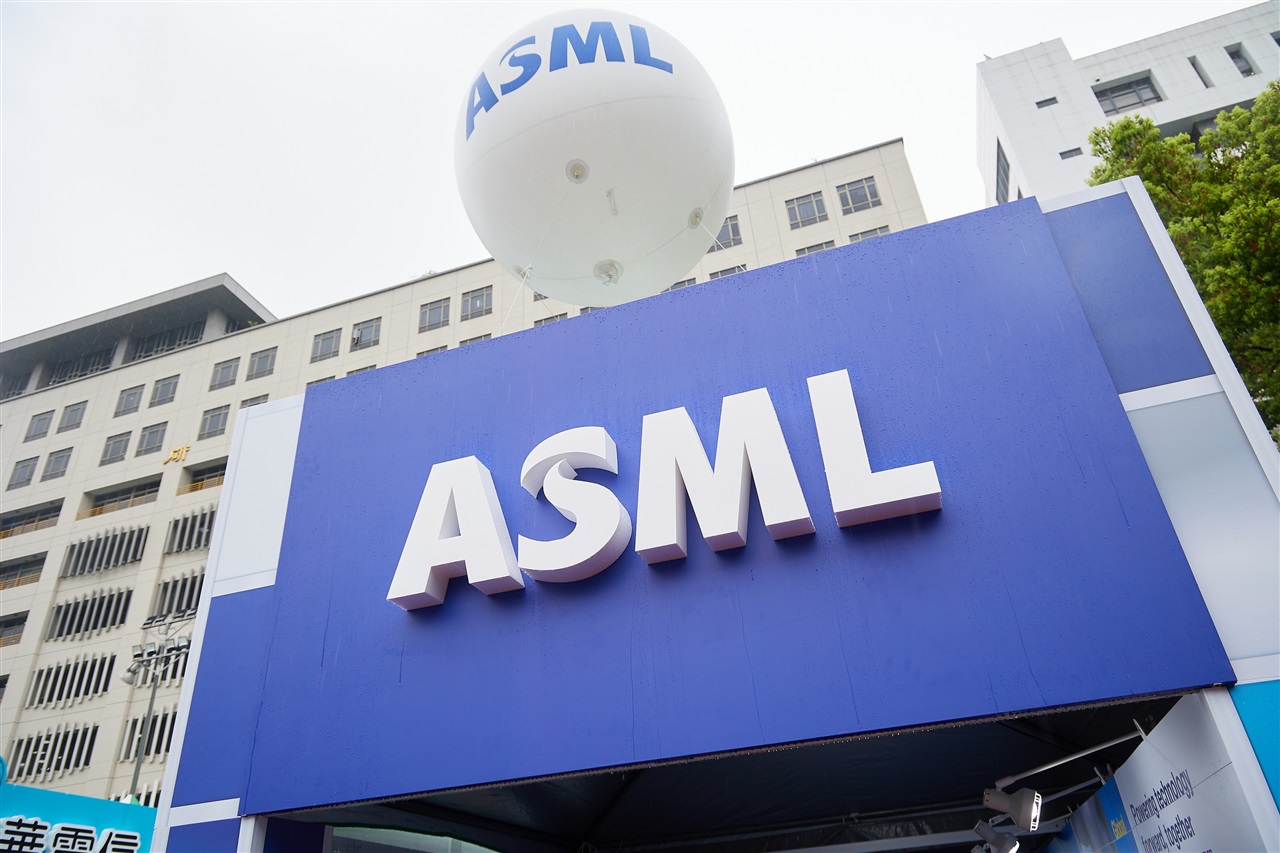
ASML Restructures Management; TSMC's Stance Impacts High-NA EUV Outlook
ASML, the world's leading manufacturer of lithography systems for semiconductors, has announced a significant internal restructuring that includes a reduction in management layers. This strategic move aims to streamline operations and enhance agility in a constantly evolving market, characterized by a growing demand for increasingly powerful and complex chips. The decision reflects the need to rapidly adapt to industry dynamics and optimize organizational efficiency.
ASML's internal reorganization is part of a broader context of challenges and opportunities for the semiconductor industry. The company is a crucial player in the global supply chain, providing the essential machines for manufacturing the most advanced chips. Its ability to innovate and respond to customer needs is fundamental to the entire technological ecosystem, including emerging sectors like artificial intelligence and Large Language Models (LLMs).
The Relevance of High-NA EUV and TSMC's Position
At the core of ASML's future prospects and the semiconductor industry lies High-NA EUV (Extreme Ultraviolet lithography) technology. This technology represents the next evolutionary step in lithography, enabling the production of chips with even smaller geometries and higher transistor densities. High-NA EUV is indispensable for creating next-generation processors capable of handling the intensive workloads required for Inference and training of complex LLMs.
However, the outlook for the adoption and development of High-NA EUV is influenced by the position of TSMC, the world's largest contract semiconductor manufacturer. TSMC's decisions regarding investment and implementation of this technology carry significant weight across the entire supply chain. Their "stance" can determine the timing of large-scale adoption and the volume of orders for ASML's High-NA machines, directly impacting the Dutch company's development and production strategies.
Context and Implications for AI Infrastructure
The dynamics between ASML and TSMC have direct repercussions for companies planning AI infrastructure deployments, particularly those opting for self-hosted or on-premise solutions. The availability and cost of advanced chips, such as GPUs with high VRAM, are critical factors for the Total Cost of Ownership (TCO) of AI systems. A slowdown in High-NA EUV adoption, or an increase in production costs, could influence the technological roadmap and pricing of essential hardware components.
For CTOs, DevOps leads, and infrastructure architects, understanding these market dynamics is crucial. The choice between on-premise and cloud deployment for AI workloads largely depends on access to high-performance hardware and its cost. Uncertainties in the semiconductor supply chain can complicate long-term planning and investment evaluation for dedicated infrastructures, especially for those prioritizing data sovereignty and air-gapped environments.
Future Prospects and Strategic Trade-offs
ASML's restructuring and TSMC's influence on High-NA EUV highlight the complexity and interconnectedness of the global tech industry. For companies developing and implementing AI solutions, these dynamics translate into strategic trade-offs. On one hand, the push towards more advanced chips promises superior performance for LLMs and other AI applications. On the other hand, challenges in the production and adoption of new technologies can introduce delays and additional costs.
Carefully evaluating these constraints is essential for making informed decisions about AI deployments. AI-RADAR, for instance, offers analytical frameworks on /llm-onpremise to help organizations compare the trade-offs between self-hosted and cloud solutions, considering factors such as TCO, data sovereignty, and hardware specifications. The ability to adapt to a rapidly evolving technological landscape, where the availability of cutting-edge silicio is a key factor, will be crucial for the success of AI strategies.








💬 Comments (0)
🔒 Log in or register to comment on articles.
No comments yet. Be the first to comment!