
Liquid Cooling: A Pillar for On-Premise AI
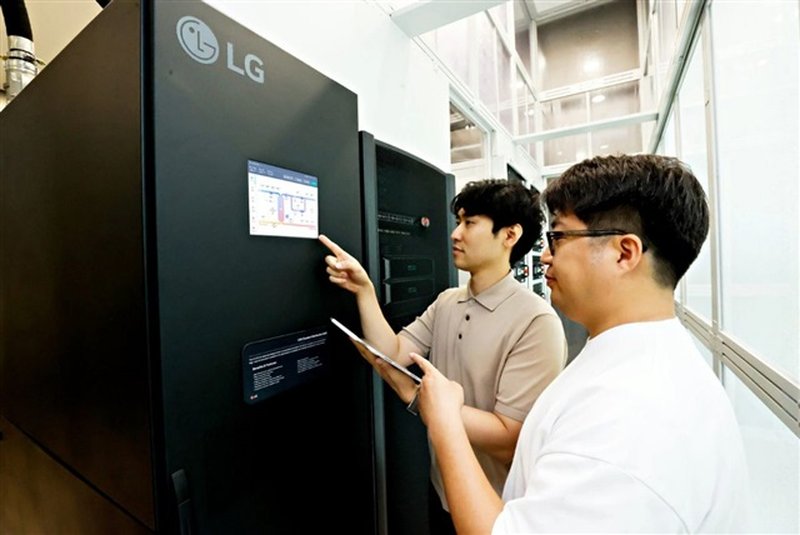
Auras Technology, a key player in the thermal solutions sector, has announced a significant increase in its revenue forecast for 2026. This upward revision is directly linked to the growing demand for liquid cooling systems, an increasingly pressing need in the artificial intelligence landscape. This development, reported by DIGITIMES, underscores how supporting infrastructure is becoming as crucial as the computing hardware itself for the success of AI projects.
The expansion of AI-related workloads, particularly with the widespread adoption of Large Language Models (LLMs), is straining traditional cooling capabilities. Modern architectures, which often employ high-density GPUs with large amounts of VRAM and unprecedented computing power, generate heat quantities that air-based systems struggle to dissipate effectively.
The Thermal Requirements of LLMs and Inference
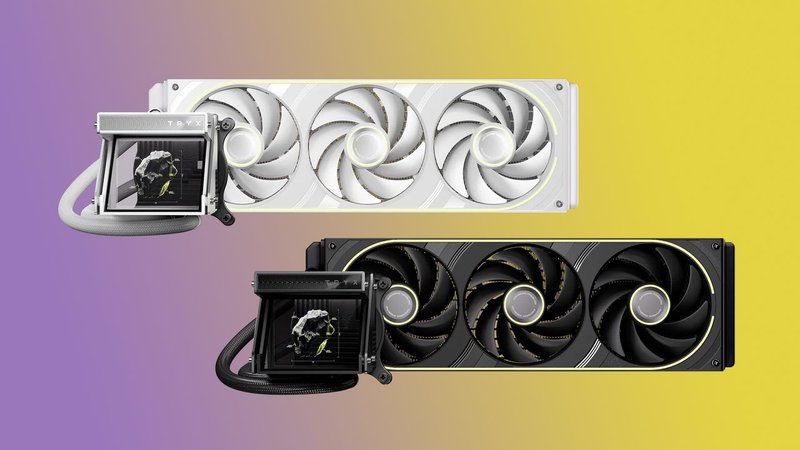
The core of the issue lies in the computational intensity required for LLM training and Inference. Every latest-generation GPU, such as the A100 or H100, can consume hundreds of watts, converting much of this energy into heat. In a dense server rack, where dozens of these units operate simultaneously, thermal management becomes a complex engineering challenge. Liquid cooling offers a more efficient solution, transferring heat directly from the hottest components to a fluid, which then dissipates it outside the data center or reuses it.
This technology not only allows for maintaining optimal operating temperatures, preventing performance throttling and extending hardware lifespan, but also enables higher computing density per unit of space. For organizations implementing full AI stacks, from Fine-tuning to Deployment for Inference, cooling efficiency directly translates into improved Throughput and reduced latency, critical factors for real-time AI applications.
Benefits and Considerations for On-Premise Deployments
The push towards liquid cooling is particularly relevant for companies opting for Self-hosted or On-premise AI Deployments. In these environments, where direct control over infrastructure is a priority for data sovereignty, compliance, or security reasons (such as in Air-gapped contexts), the ability to autonomously manage cooling is fundamental. On-premise data centers can thus host a greater number of GPUs per rack, optimizing space and reducing the physical footprint of the infrastructure.
From a TCO (Total Cost of Ownership) perspective, although the initial investment for a liquid cooling system may be higher, the long-term benefits are significant. These include lower energy expenditure for cooling (liquid is a more efficient heat conductor than air), greater hardware reliability, and the ability to scale computing capabilities without drastically expanding the data center's physical footprint. For those evaluating On-premise Deployments, analytical Frameworks are available on /llm-onpremise that can help assess these trade-offs.
Market Outlook and Future Implications
Auras Technology's optimism reflects a broader market trend: AI supporting infrastructure is becoming a growth sector in its own right. As LLMs become more complex and pervasive, the need for advanced cooling solutions will only increase. This scenario stimulates innovation not only in liquid cooling systems but also in other areas such as power management and data center space optimization.
Cooling decisions represent a crucial trade-off for CTOs and infrastructure architects. The choice between air and liquid cooling is not trivial and depends on factors such as desired computing density, available budget, scalability needs, and environmental specifications. The market is moving towards hybrid or fully liquid solutions to address the thermal challenges posed by the AI era, and Auras Technology's projected growth is a clear indicator of this evolution.







💬 Comments (0)
🔒 Log in or register to comment on articles.
No comments yet. Be the first to comment!