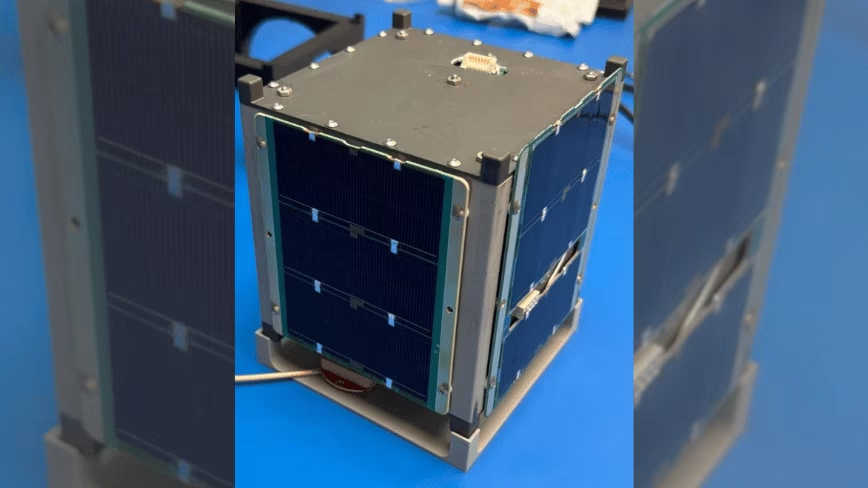
Non è una stazione spaziale, non è un reattore: è un CubeSat grande quanto una palla da softball. Ma BOHR, il satellite lanciato dalla floridiana City Labs il 7 luglio scorso a bordo di un Falcon 9 di SpaceX, rappresenta un punto di svolta silenzioso per l’energia nell’era dell’intelligenza artificiale distribuita. Si tratta del primo CubeSat nucleare commerciale e del primo satellite commerciale alimentato da una batteria a trizio, un generatore betavoltaico che sfrutta il decadimento di un isotopo dell’idrogeno per produrre elettricità in modo continuo per oltre un decennio, senza manutenzione.
In un panorama dove l’AI on-premise e i carichi di lavoro in edge computing promettono di ridurre la dipendenza dal cloud e di aumentare la sovranità sui dati, il vero tallone d’Achille spesso non è la potenza di calcolo — con schede come le A100 o le H100 sempre più accessibili — ma la disponibilità di energia affidabile in luoghi remoti o difficili da raggiungere. Sensori permanenti per il monitoraggio infrastrutturale, stazioni meteo in alta montagna, boe oceaniche, micro-satelliti: tutti richiedono una fonte di alimentazione che non possa spegnersi per anni. Ed è qui che la batteria al trizio entra in gioco.
Le batterie a trizio non sono una novità assoluta: City Labs stessa le produce da anni per applicazioni militari e industriali, come sensori in pozzi petroliferi o attuatori di valvole in ambienti ostili. La tecnicia betavoltaica converte direttamente le particelle beta emesse dal decadimento del trizio in corrente elettrica, senza passare per cicli termici. Con un’emivita di circa 12,3 anni, una batteria al trizio può fornire microwatt o milliwatt di potenza per decenni, senza interruzioni. Non può alimentare un server rack, certo, ma è più che sufficiente per microcontrollori, moduli radio a bassa potenza e, oggi, per unità di calcolo che eseguono inference AI per compiti specifici.
Ed è esattamente questo il punto di contatto con il mondo dell’intelligenza artificiale on-premise. Negli ultimi due anni, la miniaturizzazione degli acceleratori per inference — come i moduli NVIDIA Jetson o i coprocessori dedicati all’esecuzione di modelli TinyML — ha ridotto il consumo energetico a livelli compatibili con questo tipo di sorgenti. Un nodo edge che esegue un modello di computer vision per il rilevamento di guasti su un traliccio dell’alta tensione, o un satellite che processa immagini SAR per rilevare sversamenti di petrolio, può teoricamente funzionare per un decennio con una batteria delle dimensioni di una scatola di fiammiferi.
Il lancio di BOHR non è quindi solo una curiosità spaziale. Dimostra che la filiera commerciale per queste batterie sta maturando e che i costi potrebbero scendere, allargando il bacino di applicazioni. City Labs ha voluto testare la propria tecnicia direttamente nell’ambiente più ostile — lo spazio — dove la manutenzione è impossibile e il fallimento non è un’opzione. Se funzionerà, il segnale per gli architetti di sistemi AI sarà chiaro: l’energia non è più un limite invalicabile per l’edge AI a lunghissima autonomia.
Per chi sta valutando deployment on-premise di sensori intelligenti, reti di monitoraggio o costellazioni di piccoli satelliti con capacità di elaborazione a bordo, questo passaggio potrebbe ribilanciare i calcoli di Total Cost of Ownership. Oggi, molte architetture ibride preferiscono inviare dati grezzi al cloud per l’inference perché l’alimentazione locale è costosa o inaffidabile; domani, con batterie a stato solido nucleari, potrebbe diventare più economico elaborare tutto sul posto, mantenendo i dati sotto il proprio controllo e riducendo i costi di trasmissione.
Naturalmente, c’è un rovescio della medaglia: il trizio è un materiale radioattivo, seppur a bassa energia, e la sua gestione richiede autorizzazioni e precauzioni. Inoltre, la potenza disponibile rimane modesta: non si alimenterà mai un cluster di GPU con questa tecnicia. Ma per quella classe di applicazioni dove “un po’ di calcolo, sempre” è meglio di “tanto calcolo, ogni tanto”, la batteria al trizio rappresenta un abilitatore che mancava.
In un’epoca in cui la sovranità dei dati e la resilienza delle infrastrutture diventano priorità strategiche, la notizia di un piccolo CubeSat alimentato a trizio potrebbe essere ricordata come il primo vagito di un ecosistema di sensori e attuatori autonomi, capaci di sopravvivere decenni senza toccare una presa elettrica. E per l’AI on-premise, questa è una notizia che scotta.





💬 Commenti (0)
🔒 Accedi o registrati per commentare gli articoli.
Nessun commento ancora. Sii il primo a commentare!