
BenQ Qisda and the Evolution of AI Deployments at COMPUTEX 2026
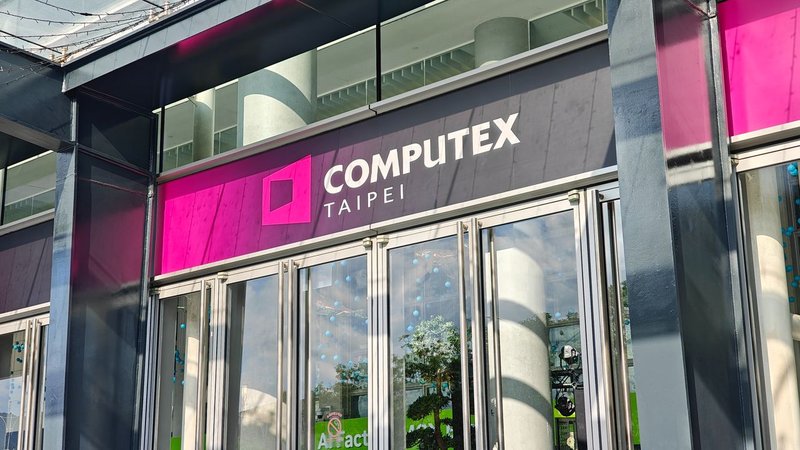
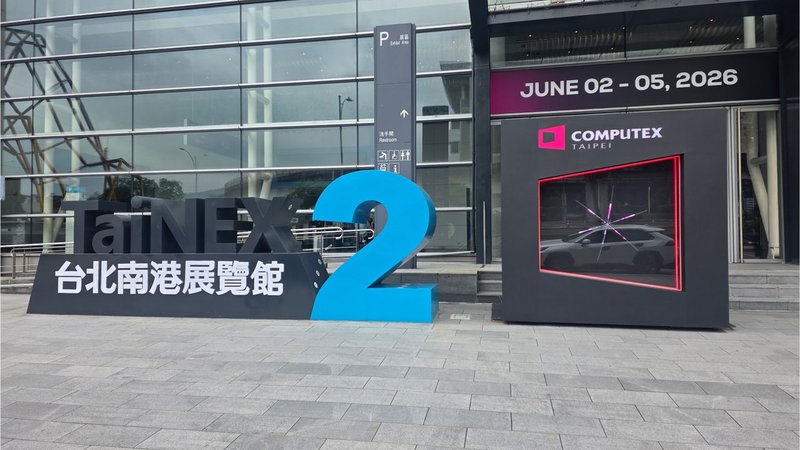
The BenQ Qisda Group has announced its participation in COMPUTEX 2026, where it intends to highlight its innovations in the field of artificial intelligence deployments. This announcement comes within a rapidly evolving technological landscape, where the ability to implement and manage AI workloads, including Large Language Models (LLM), has become a strategic priority for many companies. The Taipei exhibition, traditionally a benchmark for hardware and technological innovation, will offer an ideal platform to explore solutions that support this transition.
The interest in AI deployments is no longer exclusively limited to cloud environments. A growing number of organizations are evaluating or adopting strategies that prioritize self-hosted, hybrid, or edge infrastructure. This trend is driven by several critical considerations, ranging from data sovereignty to the need for reduced latency, and the optimization of Total Cost of Ownership (TCO) over longer time horizons.
The Strategic Importance of Local AI Deployments
The decision to opt for an on-premise or hybrid AI deployment is often dictated by specific constraints and stringent business requirements. Data sovereignty, for example, is a crucial factor for sectors such as finance, healthcare, or government, where regulations (like GDPR in Europe) mandate that sensitive data remains within specific geographical boundaries or under the direct control of the organization. Air-gapped deployments represent the extreme of this requirement, ensuring maximum security and isolation.
Furthermore, local management of AI infrastructure can offer significant advantages in terms of performance and long-term operational costs. For intensive and predictable workloads, the initial investment in dedicated hardware, such as GPUs with high VRAM and computing capacity, can result in a lower TCO compared to recurring cloud costs. This is particularly true for large-scale LLM inference or continuous fine-tuning of proprietary models.
Challenges and Opportunities in On-Premise AI Infrastructure
Implementing an on-premise AI infrastructure is not without its challenges. It requires specialized technical skills for configuring and managing bare metal servers, selecting the most suitable GPUs (e.g., balancing between A100 and H100 based on throughput and latency needs), and optimizing the software pipeline. Managing cooling, power, and network connectivity becomes fundamental to ensure system reliability and efficiency.
However, these challenges also open up new opportunities for technology providers. Companies like BenQ Qisda can offer integrated solutions that simplify AI deployment and management in local environments, providing not only hardware but also support for integration and optimization. For those evaluating on-premise deployments, AI-RADAR offers analytical frameworks on /llm-onpremise to assess the trade-offs between different options, considering factors such as CapEx, OpEx, scalability, and security requirements.
The Future of AI Deployments and the Role of COMPUTEX
COMPUTEX 2026 is shaping up to be a key event for observing the future directions of artificial intelligence, particularly concerning deployment strategies. The presentation by BenQ Qisda Group will be an indicator of industry trends, showing how manufacturers are responding to the demand for more controllable, secure, and economically advantageous AI solutions for businesses.
The choice between a cloud-first, hybrid, or entirely on-premise approach for AI will remain a complex strategic decision, influenced by a unique set of technical, financial, and regulatory requirements. Events like COMPUTEX are essential for CTOs and infrastructure architects to explore the latest innovations and understand the constraints and trade-offs associated with each option, thereby guiding their investment decisions in a continuously evolving technological landscape.






💬 Comments (0)
🔒 Log in or register to comment on articles.
No comments yet. Be the first to comment!