
Blackstone punta a 1,75 miliardi per i data center dell'era AI
Blackstone, uno dei maggiori gestori di asset a livello globale, ha annunciato un'iniziativa significativa nel settore delle infrastrutture per l'intelligenza artificiale. L'azienda intende raccogliere 1,75 miliardi di dollari per il suo Blackstone Digital Infrastructure Trust, un Real Estate Investment Trust (REIT) che sarà quotato al NYSE con il ticker BXDC. Questa mossa rappresenta un approccio diretto da parte di Wall Street per capitalizzare l'enorme espansione dell'infrastruttura AI, offrendo agli investitori pubblici un veicolo per partecipare a questo mercato in rapida crescita.
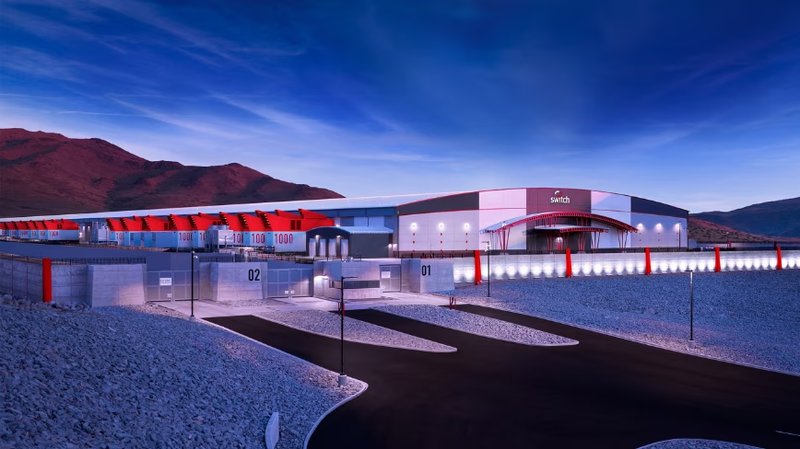
Il focus del REIT è sui data center di nuova costruzione, progettati per soddisfare le esigenze specifiche dei carichi di lavoro AI più intensivi. Questi impianti saranno affittati a hyperscaler, i giganti del cloud che stanno guidando la domanda di capacità di calcolo e storage per lo sviluppo e il deployment di Large Language Models (LLM) e altre applicazioni di intelligenza artificiale. La narrativa finanziaria dietro l'espansione dell'AI ha visto un'evoluzione costante negli ultimi 18 mesi, con un crescente interesse verso le fondamenta fisiche che rendono possibile questa rivoluzione tecnicica.
Il Contesto del Mercato e le Esigenze dell'AI
L'investimento di Blackstone sottolinea la crescente consapevolezza che l'avanzamento dell'intelligenza artificiale dipende in modo critico da un'infrastruttura fisica robusta e specializzata. I data center tradizionali spesso non sono adeguati a gestire le richieste energetiche, di raffreddamento e di connettività imposte dai carichi di lavoro AI, in particolare per l'addestramento e l'inference di LLM complessi. Questi modelli richiedono enormi quantità di VRAM e potenza di calcolo, tipicamente fornite da cluster di GPU ad alte prestazioni.
Per CTO, DevOps lead e architetti infrastrutturali, questa tendenza evidenzia la necessità di valutare attentamente le opzioni di deployment. Sebbene il REIT di Blackstone si concentri sugli hyperscaler, l'aumento degli investimenti in data center AI-ready ha un impatto indiretto su tutto il mercato. La disponibilità e il costo delle risorse di calcolo nel cloud sono influenzati dalla capacità degli hyperscaler di costruire ed espandere la propria infrastruttura. Questo, a sua volta, modella il Total Cost of Ownership (TCO) per le aziende che considerano alternative self-hosted o ibride per i propri carichi di lavoro AI, dove la sovranità dei dati e il controllo diretto sull'hardware sono spesso prioritari.
Architetture e Requisiti Specifici per l'AI
I data center "dell'era AI" si distinguono per diverse caratteristiche chiave. Richiedono sistemi di alimentazione e raffreddamento avanzati, capaci di gestire densità di potenza per rack significativamente più elevate rispetto ai data center convenzionali, a causa della concentrazione di GPU. La connettività di rete interna deve garantire throughput elevatissimi e latenze minime per consentire la comunicazione efficiente tra migliaia di GPU, essenziale per il training distribuito di LLM e per l'inference su larga scala.
Queste infrastrutture devono essere progettate per ospitare hardware specifico, come le GPU NVIDIA H100 o le future generazioni di acceleratori, che richiedono un'attenta pianificazione dello spazio, della dissipazione del calore e della distribuzione dell'energia. La capacità di scalare rapidamente, sia in termini di potenza di calcolo che di storage ad alta velocità, è fondamentale. Per le aziende che non sono hyperscaler ma che necessitano di capacità AI significative, la comprensione di questi requisiti è cruciale per la progettazione di deployment on-premise o per la selezione di servizi cloud che possano effettivamente supportare le loro pipeline di intelligenza artificiale.
Prospettive e Trade-off per il Futuro dell'AI
L'iniziativa di Blackstone riflette una crescente finanziarizzazione dell'infrastruttura AI, trasformando gli asset fisici in opportunità di investimento pubblico. Questo approccio potrebbe accelerare la costruzione di nuovi data center, potenzialmente alleviando alcune delle strozzature attuali nella disponibilità di GPU e capacità di calcolo. Tuttavia, solleva anche interrogativi sulla concentrazione del potere infrastrutturale e sulle implicazioni a lungo termine per i costi e l'accesso all'AI.
Per le aziende che valutano deployment on-premise, l'evoluzione del mercato dei data center per hyperscaler offre un punto di riferimento importante. La scelta tra un'infrastruttura cloud e una self-hosted per i carichi di lavoro AI comporta complessi trade-off tra costi iniziali (CapEx) e operativi (OpEx), controllo sui dati, compliance e flessibilità. AI-RADAR si impegna a fornire framework analitici su /llm-onpremise per aiutare i decision-maker a navigare queste complessità, evidenziando i vincoli e le opportunità di ciascun approccio senza raccomandazioni dirette, ma con un'analisi basata su fatti e specifiche tecniche.







💬 Commenti (0)
🔒 Accedi o registrati per commentare gli articoli.
Nessun commento ancora. Sii il primo a commentare!