
Boeing Unveils Upgraded Ghost Bat in Berlin
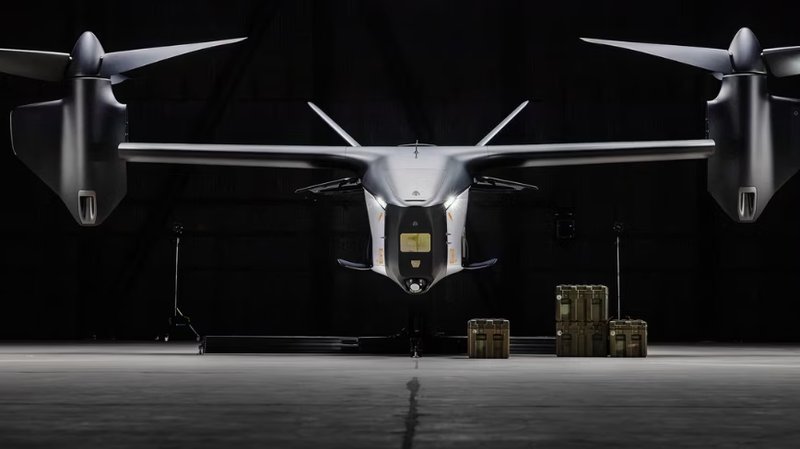
Boeing has presented an upgraded version of its MQ-28 Ghost Bat uncrewed combat aircraft at the ILA Berlin air show. The announcement marks a significant step in the development of remotely piloted aircraft systems, highlighting the company's commitment to enhancing the capabilities of its strategic assets. The Ghost Bat, known for its versatility and ability to operate in conjunction with crewed aircraft, now receives a series of improvements that amplify its operational potential.
These upgrades are designed to strengthen Boeing's position in an increasingly competitive market, particularly regarding drone orders from Germany. The move is clearly aimed at countering the advance of other players in the defense sector, notably the German AI defense startup Helsing, which specializes in artificial intelligence solutions for military applications.
Technical Details of Upgrades and Operational Implications
The new iteration of the MQ-28 Ghost Bat introduces substantial modifications that enhance its effectiveness in the field. Among the most significant novelties is the integration of an internal weapons bay, a feature that improves the aircraft's stealth capabilities and expands its armament options. This internal capacity is crucial for missions requiring discretion and for the deployment of diversified weaponry without compromising external aerodynamics.
Additionally, the Ghost Bat's wing has been enlarged by 25%, a factor that can translate into greater flight range and improved aerodynamic efficiency, potentially extending the aircraft's operational reach. Concurrently, the additional payload capacity has been increased by 2,000 pounds (approximately 907 kg). This increase allows the drone to carry more sophisticated sensors, advanced communication systems, or a greater number of armaments, offering superior operational flexibility for a wide range of missions.
The Competitive Landscape and AI in Defense
The Ghost Bat's upgrades are part of a broader context of growing competition in the defense sector, where technological innovation, particularly in artificial intelligence, plays a key role. Boeing aims to gain a competitive edge over companies like Helsing, the German AI defense startup that offers its CA-1 Europa system. The integration of artificial intelligence into defense systems, such as those proposed by Helsing, raises crucial questions for technology decision-makers. The ability to process data in real-time, support autonomous decision-making, and manage complex workloads in critical operational environments often requires robust deployment solutions.
For military contexts, data sovereignty and operational security are absolute priorities, driving towards on-premise or edge computing architectures. This approach ensures that sensitive data remains under the direct control of the operator, reducing reliance on external cloud infrastructures and mitigating risks related to latency and network availability in conflict scenarios. The choice between self-hosted solutions and cloud services thus becomes a strategic trade-off balancing costs, performance, and security requirements. For those evaluating on-premise deployments, AI-RADAR offers analytical frameworks on /llm-onpremise to assess complex trade-offs in these scenarios.
Future Prospects and Strategic Implications
Boeing's enhancement of the Ghost Bat reflects a broader trend in the defense industry: investment in increasingly autonomous and capable uncrewed aerial systems. The competition for German drone orders underscores the strategic importance of these assets for modern armed forces, which seek advanced solutions for reconnaissance, surveillance, and combat engagement. The ability to integrate advanced AI functionalities, such as those developed by Helsing, with robust hardware platforms like the Ghost Bat, will be decisive in shaping the future of aerial warfare.
These developments not only influence military acquisition strategies but also stimulate innovation in related sectors, from advanced sensing and secure communication systems to the distributed computing architectures necessary to support AI in complex operational environments. The race for innovation in this field is set to continue, with a significant impact on global defense capabilities.










💬 Comments (0)
🔒 Log in or register to comment on articles.
No comments yet. Be the first to comment!