
Condensatori al tantalio: una strozzatura per i server AI?
L'aumento esponenziale della richiesta di server dedicati all'intelligenza artificiale sta generando tensioni nella catena di approvvigionamento di componenti specifici, in particolare i condensatori al tantalio. Questi componenti, essenziali per la stabilità e l'affidabilità dei circuiti elettronici, si trovano ora a fronteggiare una domanda che supera l'offerta.
La sfida della sostituzione
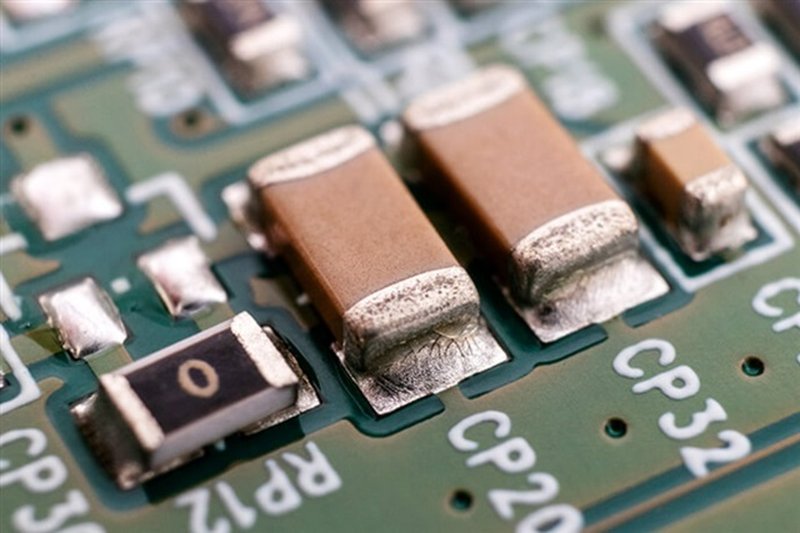
L'industria sta esplorando alternative, come i condensatori ceramici multistrato (MLCC), per sopperire alla carenza di tantalio. Tuttavia, la sostituzione non è semplice. I condensatori MLCC, pur offrendo vantaggi in termini di costo e dimensioni, non sempre eguagliano le prestazioni dei condensatori al tantalio in applicazioni critiche come l'alimentazione dei processori e delle GPU ad alte prestazioni utilizzate nei server AI. Le differenze nelle caratteristiche elettriche e nella stabilità termica possono limitarne l'utilizzo in determinati contesti.
Implicazioni per il mercato
La scarsità di condensatori al tantalio potrebbe avere ripercussioni sulla produzione e sui tempi di consegna dei server AI. Le aziende che sviluppano soluzioni di intelligenza artificiale, specialmente quelle che optano per infrastrutture on-premise, potrebbero dover affrontare ritardi o incrementi di costo nell'approvvigionamento dell'hardware necessario. Per chi valuta deployment on-premise, esistono trade-off da considerare, e AI-RADAR offre framework analitici su /llm-onpremise per valutare le diverse opzioni.






💬 Commenti (0)
🔒 Accedi o registrati per commentare gli articoli.
Nessun commento ancora. Sii il primo a commentare!