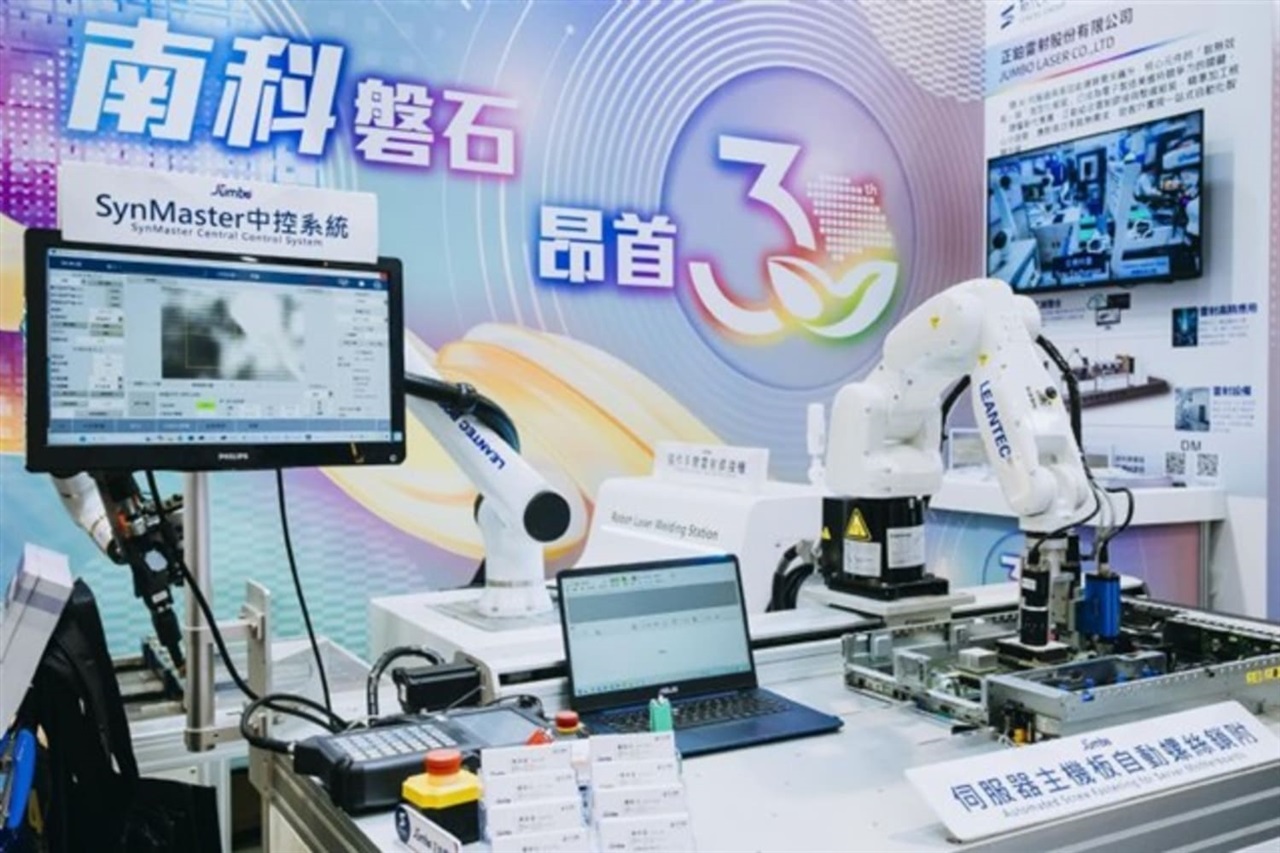
Southern Taiwan Science Park and the Impact of AI
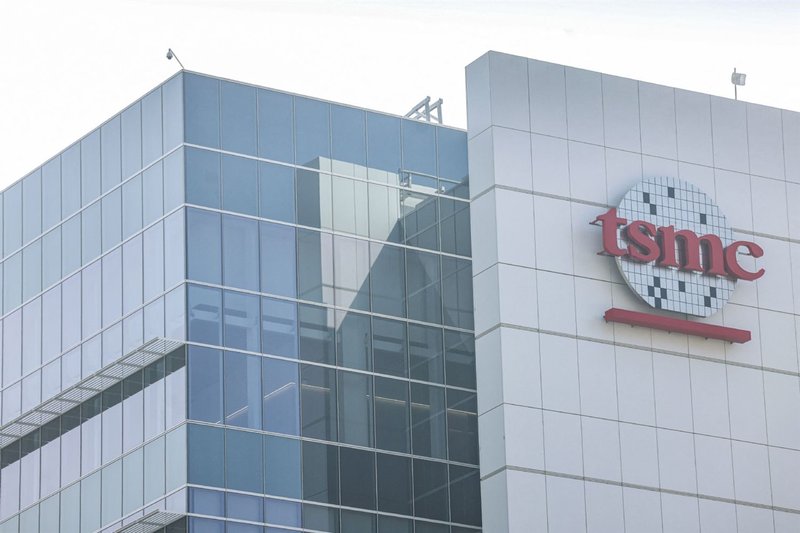
The Southern Taiwan Science Park (STSP) continues to solidify its position as a leading technology hub, with projected revenues set to surpass one trillion New Taiwan Dollars (NT$) for the period spanning January to April 2026. This financial milestone is directly attributable to the robust "AI boom," which is reshaping global technology market dynamics and the demand for computationally intensive components and services.
The expansion of artificial intelligence, particularly Large Language Models (LLM), is generating unprecedented demand for computing power and dedicated infrastructure. Science parks like STSP are at the heart of this revolution, hosting key companies involved in the production of semiconductors and other essential components for the development and deployment of AI solutions.
AI Growth and Infrastructure Challenges
The rapid adoption of AI across sectors ranging from finance to healthcare, manufacturing to automotive, poses new challenges for IT infrastructure. Companies are increasingly tasked with managing complex workloads that demand high computational resources, such as GPUs with ample VRAM and high-throughput networks. This requirement compels decision-makers to carefully evaluate deployment options.
The choice between cloud and self-hosted, or on-premise, solutions becomes strategic. While the cloud offers scalability and flexibility, on-premise deployments provide greater control over data sovereignty, which is crucial for compliance and security in regulated or air-gapped environments. A thorough Total Cost of Ownership (TCO) analysis is essential in this context, considering not only initial capital expenditures but also long-term operational, energy, and maintenance costs.
The Crucial Role of Silicon in the AI Supply Chain
The success of a hub like STSP highlights the irreplaceable role of silicon in the AI value chain. Chips produced in these areas are the beating heart of the systems that power the training and inference of AI models. Availability and innovation in this sector are directly correlated with the industry's ability to meet the demand for increasingly sophisticated AI solutions.
Advanced semiconductor manufacturing requires massive investments in research and development, as well as state-of-the-art production infrastructures. The resilience of the silicon supply chain is therefore a critical factor for the sustainable growth of AI, directly influencing companies' ability to implement their artificial intelligence strategies, whether building private data centers or leveraging cloud services.
Future Outlook and Strategic AI Decisions
STSP's revenue performance offers insight into the future prospects of the AI sector. With the continuous evolution of Large Language Models and the emergence of new applications, the demand for dedicated hardware and infrastructure is set to grow further. This scenario requires CTOs, DevOps leads, and infrastructure architects to plan with foresight.
Evaluating the trade-offs between performance, cost, security, and control is more essential than ever. For those considering on-premise deployment for their LLM workloads, AI-RADAR provides analytical frameworks and insights on /llm-onpremise to support informed decisions. The success of regions like the Southern Taiwan Science Park is not merely an economic indicator but a barometer of the direction in which the entire artificial intelligence industry is heading.




💬 Comments (0)
🔒 Log in or register to comment on articles.
No comments yet. Be the first to comment!