
ByteDance and AI for Drug Discovery
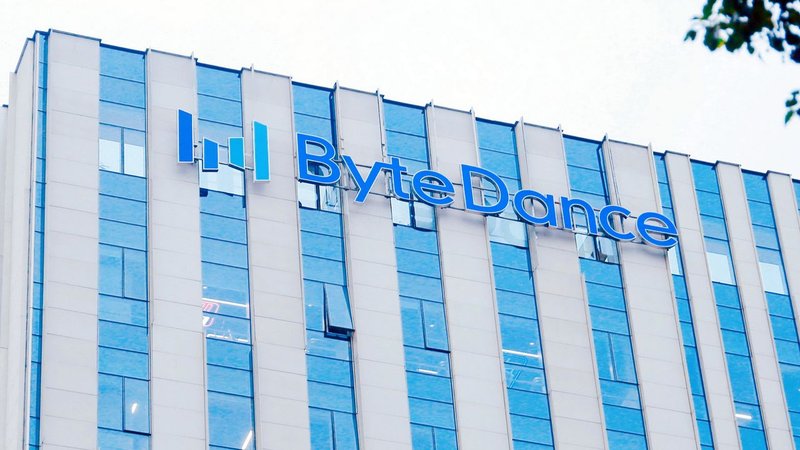
ByteDance, the company known for building TikTok's recommendation algorithm, is now turning its artificial intelligence capabilities towards a radically different field: drug discovery. Through its dedicated unit, Anew Labs, the company is employing a class of AI related to the one powering TikTok's success to predict how molecules will behave inside the human body. The ambitious goal is to design therapies for diseases that the pharmaceutical industry has long considered "undruggable," meaning they lack effective therapeutic targets.
This transition from a consumer-centric application to a scientific and medical one underscores the versatility and power of deep learning and machine learning algorithms. The ability to analyze vast datasets and identify complex patterns, which is fundamental for a recommendation system, proves equally crucial in modeling molecular interactions and predicting the efficacy of potential drug compounds. Anew Labs has already presented its first AI-designed therapy, marking a significant step in this new strategic direction for ByteDance.
The Role of Artificial Intelligence in Biopharmaceutical Research
The application of artificial intelligence in drug discovery is not a new concept, but the entry of a tech giant like ByteDance amplifies its scope and potential implications. AI can drastically accelerate the early stages of research, from target identification to the design of new molecules and the prediction of their toxicity or efficacy. Traditionally, this process is lengthy, costly, and has a high failure rate. Algorithms can explore a vast chemical space, identifying promising candidates much faster than would be possible with traditional experimental or computational methods.
Predicting molecular behavior is particularly relevant for "undruggable" diseases. Often, these pathologies are characterized by proteins or biological pathways that do not present easily accessible binding sites for conventional drugs. AI, with its ability to model complex interactions and generate new molecular structures, offers hope for overcoming these challenges, opening new therapeutic frontiers. This requires not only sophisticated algorithms but also considerable computational power for model training and Inference.
Implications for Deployment and Data Sovereignty
The use of Large Language Models (LLMs) or similar models for drug discovery entails significant infrastructure requirements. Training these models, which can analyze billions of parameters and simulate molecular interactions, demands high-performance GPU clusters with ample VRAM and high Throughput capabilities. For pharmaceutical companies or research units like Anew Labs, the decision between a cloud deployment and a self-hosted on-premise solution becomes crucial, especially considering the sensitive nature of the data involved.
Data sovereignty and intellectual property protection are primary concerns in the biopharmaceutical sector. Keeping research data and AI models within an air-gapped or strictly controlled on-premise environment can offer a higher level of security and compliance compared to public cloud solutions. This approach allows for granular control over infrastructure, data, and processes, reducing risks associated with sharing proprietary information. However, an on-premise deployment requires a significant upfront investment in hardware and specialized personnel, impacting the overall TCO. For those evaluating on-premise deployments, AI-RADAR offers analytical frameworks on /llm-onpremise to assess trade-offs between cost, performance, and security.
Future Prospects and Technological Challenges
ByteDance's entry into the drug discovery sector is emblematic of a broader trend where major tech companies are exploring new applications for their AI expertise. This convergence promises to accelerate innovation but also poses new challenges. The need for robust and scalable infrastructure for AI model Inference and fine-tuning is constant. Companies must balance the need for computational power with cost management and ensuring data security.
Anew Labs' ability to present a first AI-designed therapy demonstrates the potential of this synergy. However, the path from discovery to drug commercialization is long and complex, with stringent regulatory and clinical requirements. Long-term success will depend not only on the sophistication of the algorithms but also on the ability to integrate AI into a complete pharmaceutical development pipeline, addressing technical and regulatory challenges with a strategic and well-planned approach to the underlying infrastructure.







💬 Comments (0)
🔒 Log in or register to comment on articles.
No comments yet. Be the first to comment!