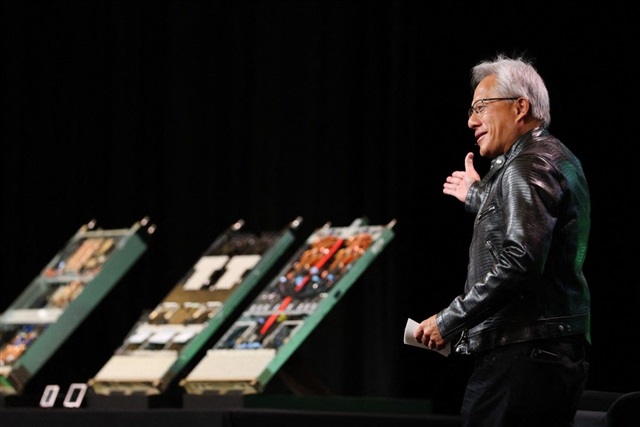
Cadence and Nvidia Strengthen AI Partnership for Chip Design and Robotics
The partnership between Cadence and Nvidia is intensifying, aiming to profoundly innovate the chip design and robotics sectors through the application of artificial intelligence. This collaboration seeks to optimize development processes and push the boundaries of technological capabilities in areas critical for AI infrastructure.
AI at the Core of Chip Design
Artificial intelligence is rapidly becoming a fundamental pillar in integrated circuit design, an inherently complex and computationally intensive process. The collaboration between Cadence, a leader in Electronic Design Automation (EDA) tools, and Nvidia, a pioneer in silicio for AI, promises to accelerate the development of new generations of chips. This includes optimizing verification, simulation, and layout phases, reducing design cycles, and improving the energy efficiency and performance of final devices.
For companies considering on-premise deployments of AI workloads, the ability to design custom or highly optimized silicio is crucial. More efficient chip design translates into a lower TCO for AI infrastructure, thanks to reduced energy consumption and higher compute density. This synergy between advanced EDA software and high-performance computing hardware is essential for unlocking new possibilities in semiconductor innovation, a strategic sector for technological sovereignty.
Robotic Revolution with Artificial Intelligence
Beyond chip design, the partnership extends to robotics, a field where AI is already radically transforming operational capabilities. The integration of advanced AI models into robotic systems enables greater autonomy, improved environmental perception, and more sophisticated decision-making capabilities. This is particularly relevant for industrial, logistics, and service applications, where robots must operate in dynamic and unstructured environments.
Implementing AI solutions in robotics requires robust computing infrastructures, often with requirements for low-latency inference and high throughput, both at the edge and in local data centers. The collaboration between Cadence and Nvidia can lead to tools and platforms that facilitate the development and deployment of intelligent robots, while ensuring data security and compliance, fundamental aspects for air-gapped deployments or in sensitive contexts.
Implications for On-Premise Deployments and Data Sovereignty
This intensified collaboration between two technology giants has profound implications for organizations evaluating the adoption of self-hosted AI solutions. The optimization of the chip design process and the advancement of AI-enabled robotics contribute to creating a more mature and performant ecosystem for on-premise deployments. Companies can benefit from more efficient hardware and more powerful development tools, supporting data sovereignty needs and complete control over the infrastructure.
For those evaluating on-premise deployments, significant trade-offs exist between cloud and self-hosted solutions. The ability to leverage AI-designed silicio and implement advanced robotics in controlled environments is a key factor. AI-RADAR, for example, offers analytical frameworks on /llm-onpremise to evaluate these trade-offs, considering aspects such as TCO, performance, and compliance requirements, providing neutral guidance for strategic decisions on AI infrastructure.







💬 Comments (0)
🔒 Log in or register to comment on articles.
No comments yet. Be the first to comment!