
Google e la spinta sui chip AI: una nuova era di competizione
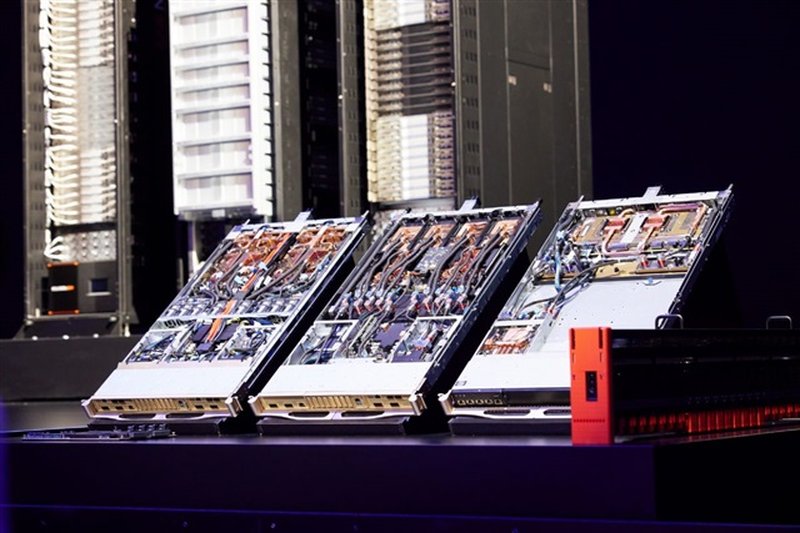
Google sta intensificando i propri sforzi nello sviluppo di chip dedicati all'intelligenza artificiale, una mossa strategica che mira a posizionarsi al centro del crescente "boom dell'inference". Questa iniziativa segna l'inizio di una nuova fase nella competizione con Nvidia, leader consolidato nel settore delle GPU per carichi di lavoro AI. La capacità di progettare e produrre hardware ottimizzato è diventata un fattore critico per le aziende che operano nel campo dell'AI, influenzando direttamente performance, efficienza energetica e, in ultima analisi, il Total Cost of Ownership (TCO) delle infrastrutture.
L'attenzione di Google sui propri chip, come i Tensor Processing Units (TPU), riflette una tendenza più ampia nel settore tecnicico: la verticalizzazione dello stack hardware-software. Questo approccio consente un controllo più granulare sull'ottimizzazione delle prestazioni per specifici carichi di lavoro AI, in particolare per l'inference di Large Language Models (LLM) e altri modelli complessi. Per le aziende che valutano deployment on-premise, la disponibilità di alternative hardware a quelle tradizionali può tradursi in maggiore flessibilità e potenziale riduzione dei costi a lungo termine.
Il ruolo cruciale dell'inference e le implicazioni per i deployment
L'inference, ovvero il processo di esecuzione di un modello AI addestrato per generare previsioni o risposte, è al centro di questa spinta tecnicica. Con la diffusione degli LLM e di altre applicazioni AI in contesti aziendali, la domanda di capacità di inference efficiente e a bassa latenza è esplosa. Questo è particolarmente vero per i deployment on-premise, dove la sovranità dei dati, la compliance normativa e la necessità di ambienti air-gapped rendono l'hardware locale una scelta obbligata.
Per i CTO e gli architetti di infrastruttura, la scelta dell'hardware per l'inference è complessa. Fattori come la VRAM disponibile, il throughput, la latenza per batch size ridotti e l'efficienza energetica sono determinanti. I chip progettati specificamente per l'AI possono offrire vantaggi significativi rispetto alle GPU general-purpose, specialmente per carichi di lavoro con requisiti di precisione e quantization specifici. La capacità di gestire modelli di grandi dimensioni con finestre di contesto estese richiede una memoria elevata e un'architettura che supporti operazioni parallele in modo efficiente.
La dinamica competitiva e le scelte per l'infrastruttura AI
La competizione tra Google e Nvidia nel campo dei chip AI è un indicatore della maturità del mercato e della crescente domanda di soluzioni diversificate. Nvidia ha storicamente dominato il settore con le sue GPU, come le serie A100 e H100, che sono diventate lo standard de facto per l'addestramento e l'inference di LLM. Tuttavia, l'ingresso o il rafforzamento di attori come Google con i propri chip proprietari introduce nuove dinamiche.
Questa competizione offre ai decision-maker tecnici maggiori opzioni, ma anche la necessità di valutare attentamente i trade-off. La scelta tra soluzioni proprietarie (spesso legate a specifici ecosistemi cloud) e hardware più generalista (che può essere deployato su bare metal on-premise) dipende da una moltitudine di fattori, tra cui il TCO, la scalabilità, la facilità di integrazione con stack software esistenti e le esigenze di personalizzazione. Per chi valuta deployment on-premise, AI-RADAR offre framework analitici su /llm-onpremise per valutare questi trade-off, fornendo una guida neutrale per decisioni informate.
Prospettive future per l'infrastruttura AI self-hosted
L'intensificarsi della competizione sui chip AI è una buona notizia per il mercato, poiché stimola l'innovazione e porta a soluzioni hardware sempre più performanti ed efficienti. Per le organizzazioni che mirano a costruire e gestire la propria infrastruttura AI self-hosted, questa diversificazione significa più scelta e potenzialmente una maggiore resilienza della supply chain. La capacità di selezionare l'hardware più adatto alle proprie esigenze specifiche, senza essere vincolati a un singolo vendor o a un'architettura cloud predefinita, è fondamentale per mantenere il controllo sui dati e sui costi operativi.
In un panorama in cui gli LLM diventano sempre più centrali per le strategie aziendali, la decisione sull'hardware sottostante non è mai stata così critica. La spinta di Google e la risposta di Nvidia continueranno a modellare il futuro dell'infrastruttura AI, spingendo i limiti di ciò che è possibile in termini di performance e accessibilità per i carichi di lavoro di inference, sia in cloud che, sempre più spesso, direttamente nei data center aziendali.







💬 Commenti (0)
🔒 Accedi o registrati per commentare gli articoli.
Nessun commento ancora. Sii il primo a commentare!