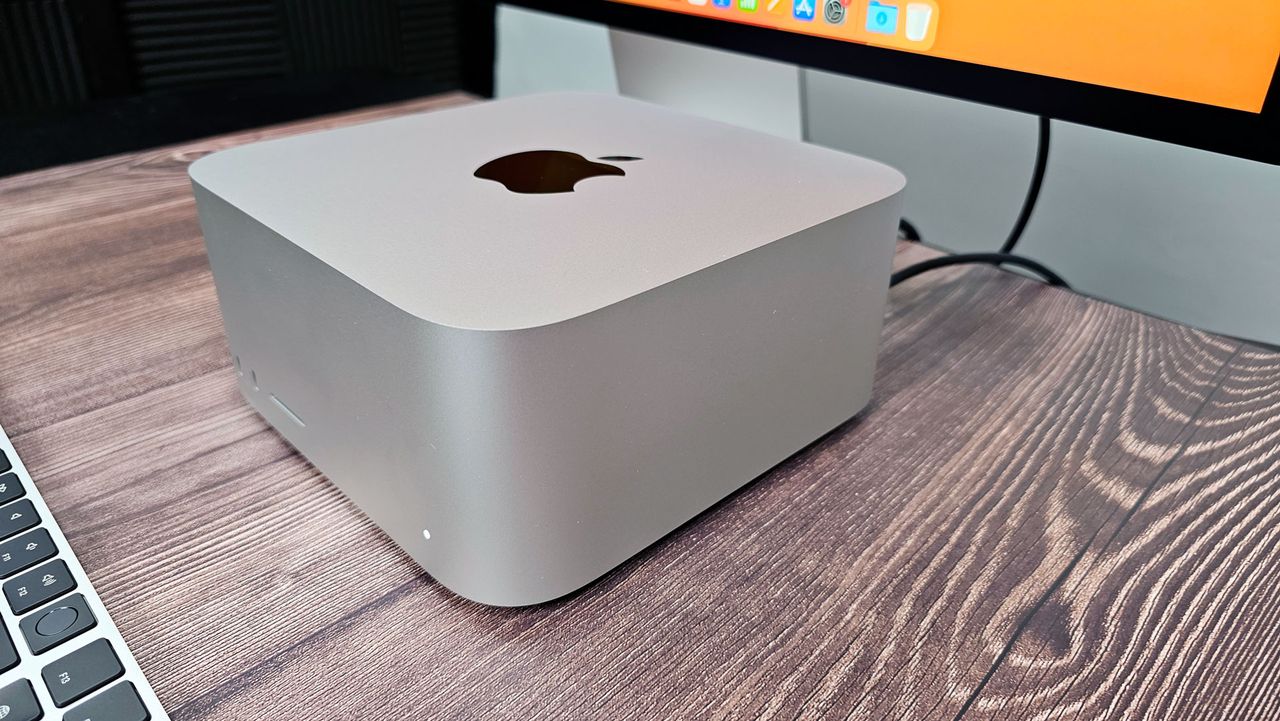
Apple and the Local AI Hardware Shortage
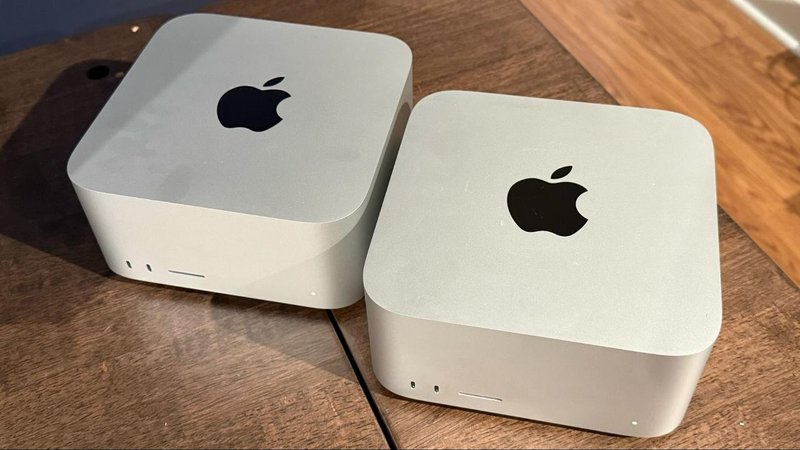
Apple recently alerted its customers and the market to potential shortages for its Mac mini and Mac Studio models, anticipating that the situation could persist for several months. This supply chain disruption is not an isolated phenomenon but reflects broader dynamics within the technology sector, particularly those related to artificial intelligence.
The primary cause of these difficulties lies in a combination of factors: an explosion in demand for local AI solutions and a consequent "memory crunch," meaning a shortage of memory components. These elements are pushing demand for Apple hardware beyond the company's manufacturing capacity, highlighting a significant trend towards self-hosted and on-premise AI deployments.
The Role of Mac Studio in the AI Ecosystem
Mac Studio and, to a lesser extent, Mac mini, have become attractive platforms for developing and performing Inference for artificial intelligence models at a local scale. Thanks to the Apple Silicio architecture, which integrates CPU, GPU, and Neural Engine with unified memory, these devices offer a balance between performance and energy efficiency. This configuration is particularly advantageous for AI workloads requiring fast access to large amounts of data, such as Fine-tuning medium-sized LLMs or running models for edge applications.
The mention of a "memory crunch" is particularly relevant. In the context of AI, the availability and capacity of VRAM (or unified memory, in the case of Apple Silicio) are critical factors. LLMs and other complex models require significant amounts of memory to load model parameters and manage context. A shortage in this area can severely limit a system's ability to execute intensive AI workloads, making devices with ample unified memory, like the Mac Studio, highly sought after.
Implications for On-Premise Deployments
For companies evaluating on-premise AI Deployment strategies, the shortage of hardware like Mac Studio raises important considerations. The availability of reliable local infrastructure is fundamental to ensuring data sovereignty, complying with regulatory requirements, and maintaining direct control over the execution environment. Supply chain disruptions can delay projects, increase costs, and prompt organizations to reconsider their technological roadmaps.
The choice between self-hosted and cloud solutions for AI workloads involves an in-depth analysis of TCO (Total Cost of Ownership), which includes not only initial hardware costs but also operational, energy, and maintenance expenses. Difficulties in procuring key components can alter these equations, complicating planning and potentially pushing towards hybrid or alternative solutions that mitigate supply chain risks. AI-RADAR offers analytical frameworks on /llm-onpremise to evaluate these trade-offs.
Future Outlook and Procurement Strategies
The situation involving Mac Studio and Mac mini is a clear indicator of the growing pressure on the supply chain for AI-enabling hardware. As demand for artificial intelligence computing capacity continues to grow exponentially, particularly for deployments prioritizing local control and privacy, hardware manufacturers face the challenge of scaling production.
This scenario underscores the importance for technology decision-makers to closely monitor hardware market dynamics and diversify their procurement strategies. The ability to adapt to these fluctuations will be crucial for companies aiming to build and maintain resilient and high-performing AI infrastructures, whether on-premise or in hybrid configurations.








💬 Comments (0)
🔒 Log in or register to comment on articles.
No comments yet. Be the first to comment!