
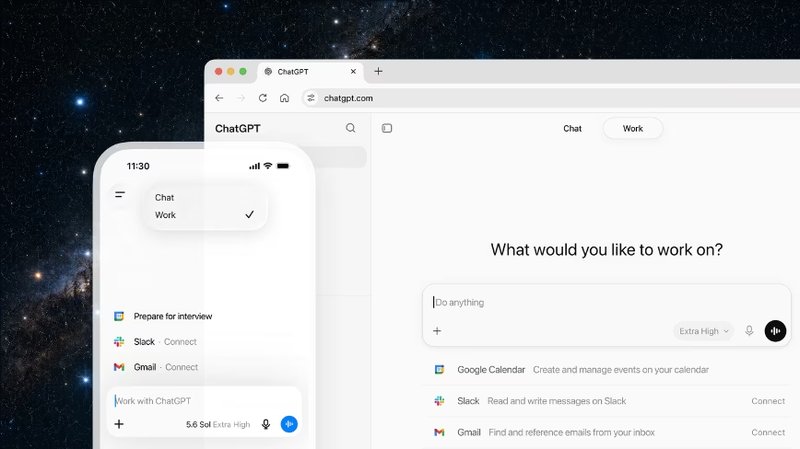
Cars24 has transformed its customer service by automating over one million monthly conversation minutes using agents built on OpenAI models. The company reports a 12% recovery of leads that would otherwise have been lost, along with the roll-out of agentic workflows across multiple departments.
The Indian used-car platform integrated voice and chat assistants that handle inquiries, qualify prospects, and manage paperwork without human intervention. This goes beyond simple chatbots: the infrastructure leverages the reasoning capabilities of LLMs to conduct complex conversations, adapt to context, and make operational decisions.
Behind the announcement lies a broader phenomenon. Relying on cloud APIs from providers like OpenAI enables rapid deployment of sophisticated conversational agents, but it outsources all data processing. For a company handling millions of sensitive interactions — personal data, purchase preferences, financial information — this delegation raises a critical issue: data sovereignty remains with the vendor, with all that implies for compliance, auditing, and technological dependency.
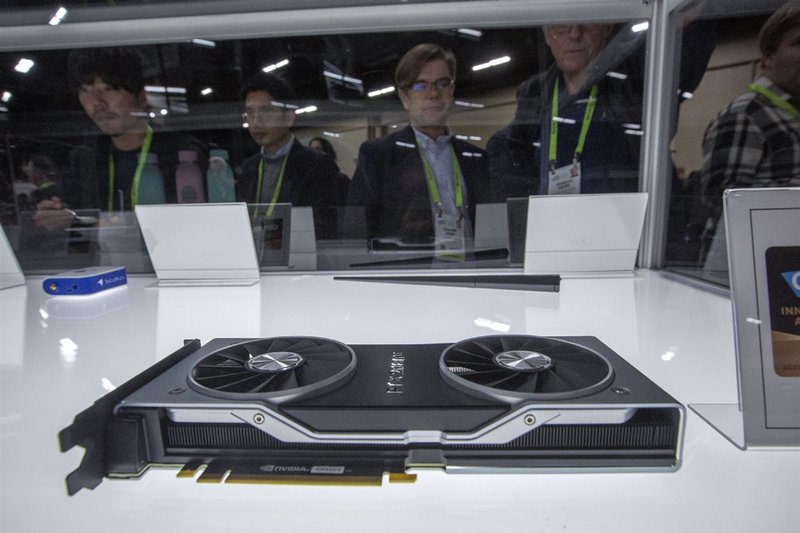
Organizations in regulated industries, or simply those wanting strategic control, are increasingly eyeing on-premise alternatives, where models run on proprietary hardware and data never leaves the company perimeter. The Cars24 case illustrates the immediate benefits of the cloud — speed of deployment, no infrastructure management — but risks becoming an escalating cost as conversation volumes grow. The per-token cost, multiplied by millions of minutes per month, can quickly surpass the TCO of a self-hosted solution, especially if the company already possesses in-house expertise and can optimize models through quantization.
Cars24’s architecture, fully delegated to OpenAI, reflects a market that prioritizes time-to-market over sovereignty. Yet it also signals that cloud vendors are raising the bar with increasingly autonomous agents, pressuring those who prefer to keep workloads in-house to invest in accelerated hardware, serving frameworks, and fine-tuning pipelines just to keep pace.
Deep automation of conversations is no longer experimental. The 12% lead recovery rate demonstrates a direct impact on revenue, shifting the conversation from technological curiosity to competitive necessity. What remains open is the question of how wise it is to entrust the core of customer relationships to models residing in third-party data centers, and whether the future will see a rebalancing toward hybrid or fully local deployments.






💬 Comments (0)
🔒 Log in or register to comment on articles.
No comments yet. Be the first to comment!