
CATL Invests in Zhongheng Electric: AI Demand Wave Drives Infrastructure
The global technology landscape is in constant evolution, and the surging demand for artificial intelligence is redefining investment priorities across seemingly disparate sectors. In this context, CATL, one of the world's largest manufacturers of electric vehicle batteries, has announced a strategic investment in Zhongheng Electric, a Chinese company specializing in electrical equipment. This move underscores how the expansion of AI is generating a cascading effect throughout the entire technology supply chain, extending far beyond the confines of chip and software production.
CATL's investment in Zhongheng Electric is a clear indication of how companies are positioning themselves to capitalize on and support the foundational infrastructure required by the AI era. The demand for computing capacity for training and Inference of Large Language Models (LLM) and other AI workloads is growing exponentially, and with it, the need for robust and reliable power systems.
The Role of Electrical Infrastructure in the AI Era
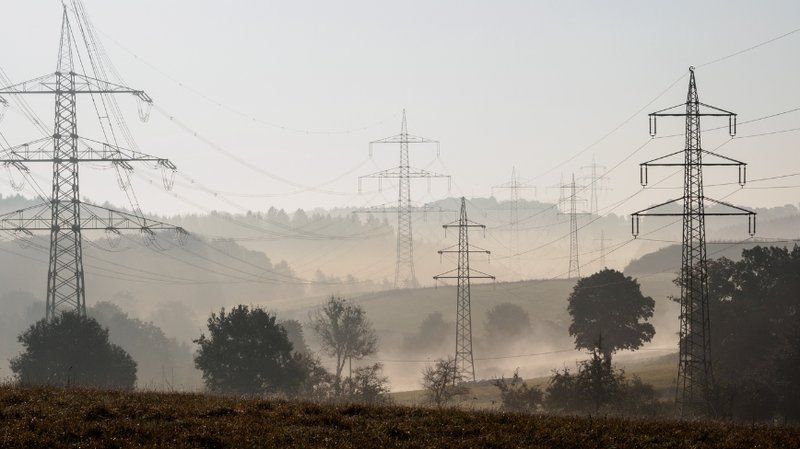
Modern data centers, particularly those dedicated to AI, are significant energy consumers. Each rack of high-performance GPUs, such as NVIDIA H100 or A100, requires a substantial amount of electrical power and advanced cooling systems to operate efficiently. Zhongheng Electric, with its expertise in electrical equipment, is strategically positioned to provide essential components like power supplies, transformers, switchgear, and energy management solutions—all critical elements for the construction and operation of these complex infrastructures.
The investment by a battery giant like CATL in an electrical equipment company highlights a deep understanding of the interdependencies within the technological ecosystem. It is not enough to produce powerful chips; it is equally fundamental to ensure that the supporting infrastructure can handle the power and cooling requirements, which have become a significant constraint for the scalability of AI deployments.
Implications for On-Premise Deployments and TCO
For CTOs, DevOps leads, and infrastructure architects evaluating deployments of LLMs and AI workloads, the availability and reliability of electrical infrastructure are decisive factors. Opting for self-hosted or bare metal on-premise solutions offers advantages in terms of data sovereignty, compliance, and the ability to operate in air-gapped environments. However, these choices also entail full responsibility for managing the entire physical infrastructure.
The Total Cost of Ownership (TCO) of an on-premise AI deployment is not limited to the cost of GPUs and servers. It also includes CapEx and OpEx costs related to power, cooling, physical space, and maintenance of electrical equipment. CATL's investment suggests that the market is recognizing the importance of strengthening this infrastructural foundation. For those evaluating on-premise deployments, AI-RADAR offers analytical frameworks on /llm-onpremise to assess the trade-offs between control, performance, and operational costs, considering the entire technology stack.
Future Outlook and the AI Supply Chain
The wave of investments driven by AI demand is creating new opportunities and challenges across the entire global supply chain. Not only chip and software manufacturers benefit from this growth, but also companies providing the fundamental building blocks for physical infrastructure. CATL's move could be a precursor to further cross-sector investments aimed at ensuring the stability and scalability of the AI ecosystem.
China, in particular, is playing an increasingly central role in AI development and deployment, with a strong push towards technological self-sufficiency. Investments like CATL's in Zhongheng Electric strengthen the country's ability to support its AI ambitions, both in terms of research and infrastructure. This scenario highlights a global trend where supply chain resilience and the ability to manage energy requirements become critical factors for success in the era of artificial intelligence.





💬 Comments (0)
🔒 Log in or register to comment on articles.
No comments yet. Be the first to comment!