The Strategic Alliance Between CEA-Leti and Taiwan
CEA-Leti, the renowned French research institute specializing in microelectronics and nanotechnologies, is consolidating its strategy to transform European innovation in the semiconductor sector into production reality. Under the leadership of CEO Sébastien Dauvé, the organization has chosen to focus on Taiwanese foundries, globally recognized for their capacity and technological leadership in advanced chip manufacturing.
This strategic move aims to bridge the gap between the research and development phase, where Europe excels, and subsequent large-scale production. The objective is clear: to ensure that discoveries and prototypes developed in European laboratories can actually translate into commercial products, a fundamental step to strengthen Europe's position in the global digital economy and ensure access to critical components.
The Crucial Role of Asian Foundries
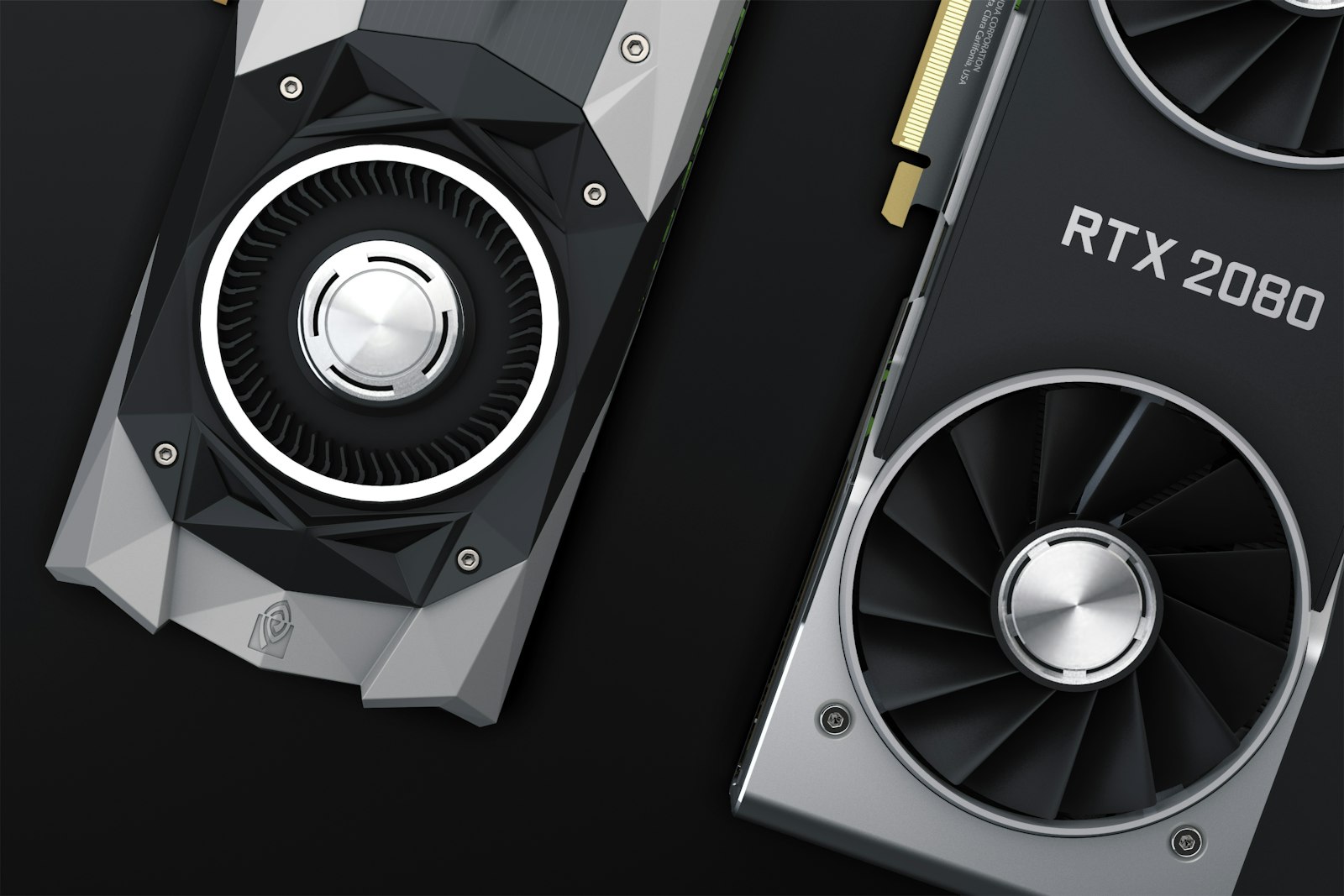
The choice to collaborate with Taiwanese foundries is not coincidental. Taiwan hosts dominant players like TSMC, the world leader in semiconductor manufacturing, who possess unparalleled expertise and production capacity for cutting-edge chips. The fabrication of next-generation silicio requires colossal investments in research, development, and infrastructure, in addition to technical expertise that has been consolidated over decades.
The gap between design capability and manufacturing capability is a persistent challenge for many regions. While Europe boasts excellence in research and development of innovative prototypes, the subsequent phase of large-scale production often requires the support of external partners with state-of-the-art foundries. This dependence highlights the complexity and prohibitive costs associated with building and managing next-generation semiconductor manufacturing facilities.
Impact on On-Premise LLM Deployments
The availability of advanced chips is a decisive factor for companies evaluating on-premise Large Language Model (LLM) deployments. For LLM inference and training, specific hardware requirements are necessary, such as high amounts of VRAM, memory throughput, and low latency. Access to high-performance silicio is crucial for those opting for self-hosted or air-gapped solutions, often motivated by data sovereignty, regulatory compliance, or TCO optimization needs.
The ability to access a diversified and reliable supply of high-performance chips directly impacts the feasibility and efficiency of local AI infrastructures. The CEA-Leti strategy, by aiming to bring European research to fruition, could in the long term contribute to diversifying available hardware options, reducing dependence on a limited number of suppliers, and positively influencing deployment decisions.
Prospects for European Technological Autonomy
This CEA-Leti initiative has significant implications for European technological autonomy. Although collaboration with Taiwan is essential in the short and medium term to capitalize on research, the long-term goal is to reduce dependence on global supply chains that can be vulnerable to geopolitical tensions or disruptions. The ability to translate research into production is a pillar for economic resilience and national security.
The challenges remain considerable: the required investments are massive, the timeframes for technology maturation and the construction of new foundries are long, and global competition is intense. However, initiatives like CEA-Leti's are fundamental to strengthening Europe's position in the global semiconductor landscape and supporting innovation in strategic sectors such as artificial intelligence, ensuring that Europe can not only design but also contribute to producing the silicio that powers the technological future.





💬 Comments (0)
🔒 Log in or register to comment on articles.
No comments yet. Be the first to comment!