
Chunghwa Precision Reorganizes for the Future of AI Chips
Chunghwa Precision, a key player in the electronic components manufacturing sector, has announced the completion of a board reshuffle. This strategic move precedes a significant expansion of production capacity, specifically focused on testing chips destined for artificial intelligence. The initiative reflects the growing demand for specialized AI hardware and the necessity to ensure high standards of quality and reliability throughout the entire supply chain.
The internal reorganization and investment in new production capabilities are set within a rapidly evolving market context. Companies developing and implementing solutions based on Large Language Models (LLM) and other AI workloads heavily depend on the availability of high-performing and reliable silicon. This is particularly true for organizations prioritizing on-premise deployments, where direct control over hardware and its integrity are critical factors.
The Importance of Testing in the AI Chip Lifecycle
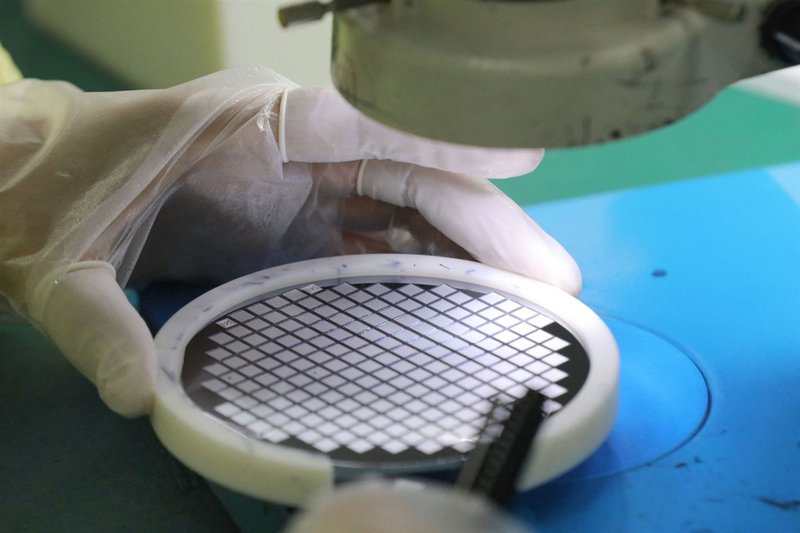
AI chip testing represents a fundamental phase in the manufacturing process. Given the architectural complexity of modern Graphics Processing Units (GPUs), ASIC accelerators, and other AI-specific components, rigorous testing is indispensable. This process not only verifies basic functionality but also ensures that chips meet the performance, reliability, and power consumption specifications required for intensive workloads such as LLM inference and training.
An expansion of testing capacity, like that planned by Chunghwa Precision, can directly impact the quality and speed with which new AI chips reach the market. For CTOs and infrastructure architects evaluating self-hosted solutions, the assurance of well-tested hardware translates into greater operational stability and a more predictable Total Cost of Ownership (TCO). Reducing defect rates and optimizing performance are key elements for resilient AI infrastructures.
Implications for On-Premise Deployments and Data Sovereignty
The availability of reliable silicon is a cornerstone for on-premise deployment strategies. Organizations choosing to keep their AI workloads within their own data centers, often for reasons of data sovereignty, regulatory compliance, or to create air-gapped environments, require hardware that guarantees consistent performance and a long operational life. The expansion of testing capabilities upstream in the supply chain helps meet these needs, reducing risks associated with faulty or underperforming components.
For those evaluating on-premise LLM deployments, silicon quality is directly related to infrastructure efficiency and security. A chip that fails quality tests can cause outages, slowdowns, or, in the worst-case scenario, compromise data integrity. Therefore, investments like those by Chunghwa Precision are indirectly beneficial to the entire AI ecosystem, supporting confidence in the hardware solutions available for local infrastructures.
Future Prospects for the AI Supply Chain
Chunghwa Precision's move highlights a broader trend in the technology sector: the adaptation of the global supply chain to the specific needs of artificial intelligence. As Large Language Models become increasingly pervasive and demand ever-greater computational resources, the ability to produce, test, and distribute specialized hardware becomes a critical factor. This expansion not only addresses current demand but also paves the way for future innovations in the field of AI.
Ensuring a constant flow of high-quality AI chips is essential to sustain innovation and the adoption of AI solutions across various sectors. Strategic decisions by companies like Chunghwa Precision, which strengthen critical links in the supply chain, are fundamental to the resilience of the entire ecosystem. For businesses investing in local AI infrastructures, these developments mean greater certainty in planning and executing their projects.





💬 Comments (0)
🔒 Log in or register to comment on articles.
No comments yet. Be the first to comment!