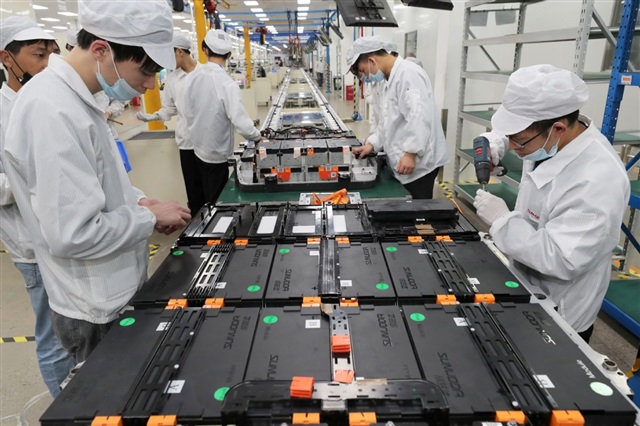
China is putting the brakes on unnecessarily large electric vehicle batteries. According to an analysis cited by AFP, Beijing is pushing to reduce battery pack sizes, a move that directly targets two exposed nerves of the sector: the fiscal sustainability of incentives and the resilience of the raw material supply chain.
In recent years, the race for driving range pushed Chinese manufacturers to fit ever larger accumulators, fueling an insatiable demand for lithium, cobalt and nickel. The bill, however, is getting steep. Government subsidies, which long made these models attractive, represent a growing cost for the state, while the mining supply chain struggles to keep pace, exposing the industry to bottlenecks and price spikes.
The intervention, as reported, is part of a broader overhaul of electric mobility support policies. The idea is to shift focus from stored energy to overall efficiency parameters, pushing automakers to optimize consumption and powertrains rather than chasing ever-larger battery sizes. For a country that dominates global EV production and sees exports as a strategic pillar, such a turn can redefine market balances.
The core of the issue is both economic and industrial. Reducing average pack capacity means easing the pressure on critical mineral demand, largely imported, and containing exposure to international price swings. At the same time, it aims to curb vehicle purchase costs for consumers at a moment when domestic demand shows signs of slowing.
This approach signals a different maturity in conceiving the electric transition: no longer just a dash for range figures, but a search for balance among performance, costs and supply security. A direction that, if confirmed, could also influence foreign markets where Chinese brands are gaining share. The battery game is now played on the razor’s edge of technical reasonableness and public budget sustainability.







💬 Comments (0)
🔒 Log in or register to comment on articles.
No comments yet. Be the first to comment!