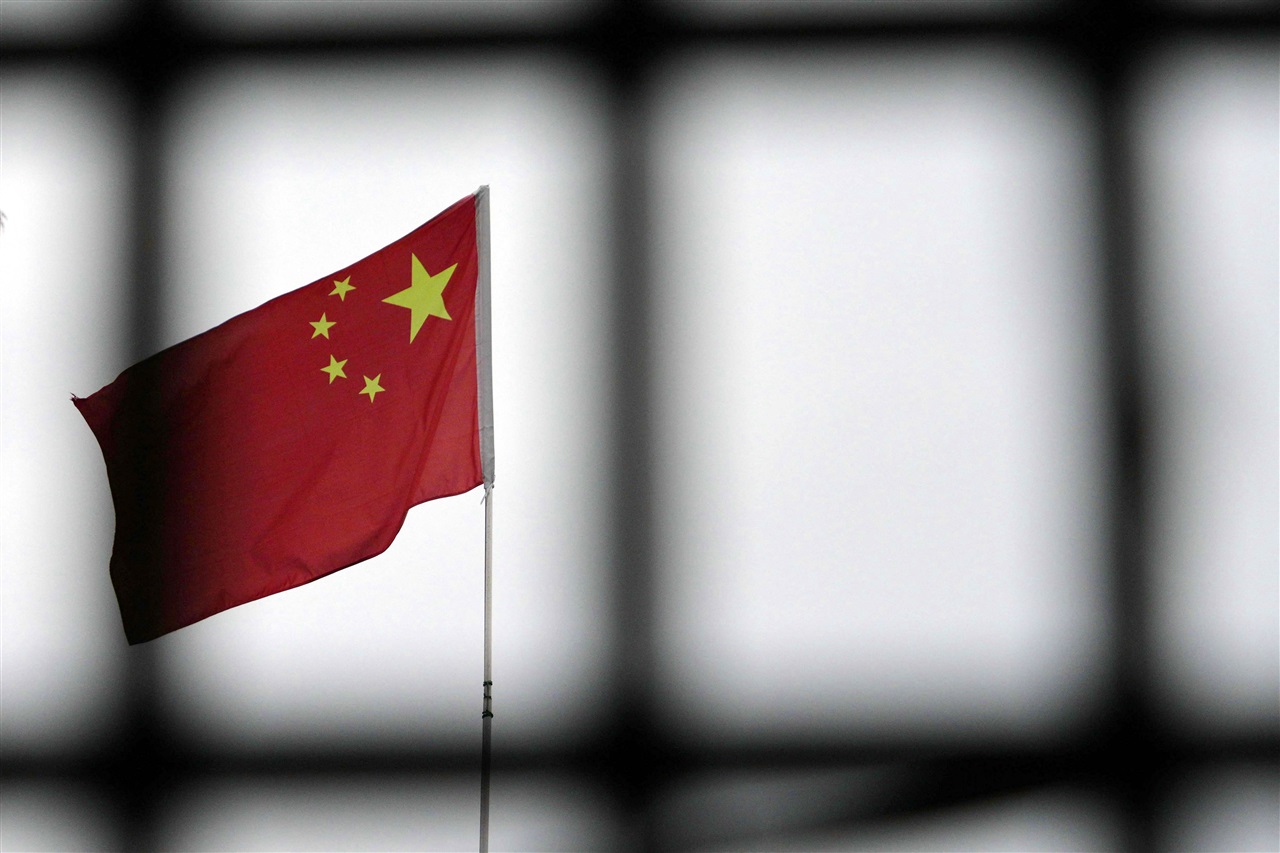
Il boom dell’intelligenza artificiale non sta solo riempiendo gli ordini di GPU e data center. C’è una partita più a monte, lontana dai rack e dai container, che decide costi e disponibilità dell’hardware: i materiali per semiconduttori. E qui, secondo recenti segnali, la Cina sta rosicchiando terreno al Giappone, storico dominatore del settore.
Dal quarzo al chip: la partita dei materiali
Per fabbricare un chip servono fette di silicio ultrapuro, prodotti chimici per la fotolitografia, gas speciali e materiali per il packaging avanzato. Aziende come Shin-Etsu, SUMCO e JSR dettano legge da decenni, ma la sete di calcolo dell’AI ha aperto una finestra per nuovi fornitori. Le imprese cinesi stanno investendo massicciamente in impianti di produzione e ricerca, spinte dalla domanda interna di wafer e composti ad alte prestazioni – carburo di silicio, nitruro di gallio – indispensabili per i chip di potenza che alimentano gli acceleratori.
Perché il dominio giapponese vacilla
Non è solo una questione di prezzo. La capacità produttiva giapponese è sotto stress: consegne che si allungano, volumi insufficienti a soddisfare le fonderie di TSMC e Samsung, e una catena di fornitura globale ancora fragile dopo la pandemia. In questo vuoto, i produttori cinesi fanno leva su costi più bassi e su un ecosistema interno in forte espansione. Il governo di Pechino spinge con incentivi e protezionismo, accelerando un sorpasso che fino a tre anni fa sembrava improbabile.
L’effetto domino sui server locali
Per chi gestisce inference e fine-tuning in proprio, la competizione sui materiali non è un dettaglio accademico. Minore dipendenza da un unico fornitore (giapponese) significa maggiore resilienza della supply chain e, potenzialmente, prezzi più contenuti per GPU e moduli di memoria. Ma introduce anche variabili: la qualità dei materiali cinesi è ancora in fase di validazione, e la divergenza tra standard potrebbe complicare l’interoperabilità in ambienti self-hosted. AI-RADAR osserva che una diversificazione geografica delle forniture è un fattore sempre più rilevante nel calcolo del TCO per infrastrutture on-premise.
Sovranità tecnicica: la carta cinese
Dietro l’avanzata c’è un disegno di lungo termine: ridurre la dipendenza dai materiali esteri per garantire la sovranità dei semiconduttori. In un contesto di tensioni geopolitiche e restrizioni all’export, Pechino considera i materiali come un asset strategico. L’AI, con la sua fame di chip, è il banco di prova. Se la Cina riuscirà a imporre standard propri su wafer e substrati, cambierà non solo gli equilibri industriali, ma anche le scelte di approvvigionamento per i progetti di AI locali, dentro e fuori i confini nazionali.







💬 Commenti (0)
🔒 Accedi o registrati per commentare gli articoli.
Nessun commento ancora. Sii il primo a commentare!