
New Restrictions and the Geopolitical Context
Recent reports, though yet to be officially confirmed, suggest that China is implementing restrictive measures on overseas travel for its artificial intelligence specialists. This initiative reportedly involves prominent talents at tech giants such as Alibaba and DeepSeek, companies that play a crucial role in the development and innovation of LLMs and other AI technologies globally.
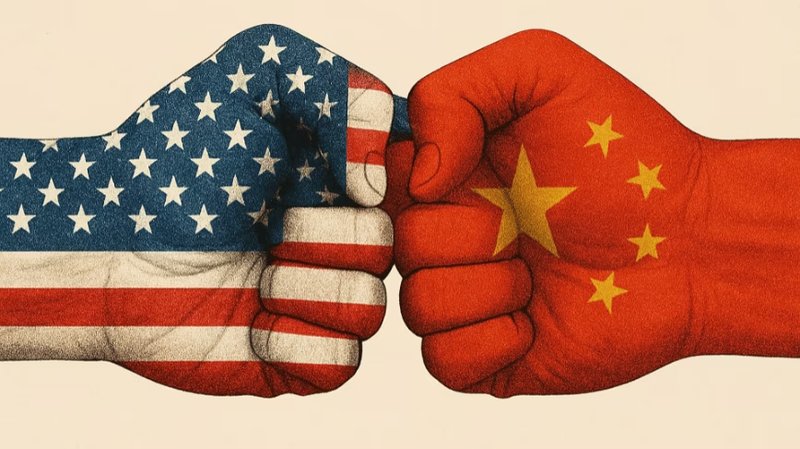
This potential tightening of controls occurs within a geopolitical landscape of increasing technological competition, where control and sovereignty over strategic data and expertise are becoming national priorities. Such moves reflect a broader trend towards the localization of resources and the protection of know-how, with significant implications for the future of international collaboration in the tech sector.
Impact on Research and the Open Source Ecosystem
Talent mobility is a critical factor for innovation and scientific progress, especially in dynamic sectors like artificial intelligence. Restrictions on overseas travel could hinder the exchange of ideas, participation in international conferences, and collaboration on joint research projects—all fundamental elements for the advancement of LLMs and related technologies.
A particularly significant impact could be felt within the Open Source ecosystem. Many of the most substantial advancements in AI stem from global contributions and knowledge sharing. If Chinese talents face difficulties interacting with the international community, this could slow down the development and dissemination of Open Source models originating from China, limiting their global adoption and improvement. This scenario raises questions about the future direction of AI innovation, suggesting a potential fragmentation of efforts.
Challenges for Companies and Deployment Strategies
For companies like Alibaba and DeepSeek, these restrictions represent a significant challenge. The ability to attract and retain top global talent, as well as to allow them to operate in an environment of international exchange, is vital for competitiveness. A limitation on mobility could affect their capacity to remain at the forefront of AI innovation and compete effectively in global markets.
From a deployment perspective, such constraints can reinforce the need for companies to carefully evaluate their strategies. Data sovereignty, regulatory compliance, and the ability to operate in air-gapped or self-hosted environments become even more relevant. For those considering on-premise deployment, complex trade-offs exist related to TCO, bare metal infrastructure management, and the availability of specialized technical skills. AI-RADAR offers analytical frameworks on /llm-onpremise to evaluate these constraints and opportunities, providing decision support for CTOs and infrastructure architects.
Future Outlook for the Global AI Landscape
Should these restrictions consolidate and spread, the global artificial intelligence landscape could evolve towards greater fragmentation. We might witness the development of more isolated AI ecosystems, with a reduction in the synergy and speed of innovation that has characterized the sector thus far. This scenario could lead to duplicated efforts and reduced interoperability among different solutions.
The need to balance national security with technological progress remains one of the most pressing challenges of our time. Decisions regarding talent mobility and international collaboration will have a profound impact not only on AI development but also on its application in critical sectors and its ability to generate value for the benefit of society as a whole. The global tech community is closely monitoring these developments, aware of their potential long-term consequences.







💬 Comments (0)
🔒 Log in or register to comment on articles.
No comments yet. Be the first to comment!