
China's Supreme Court Blocks Infineon on GaN Chips
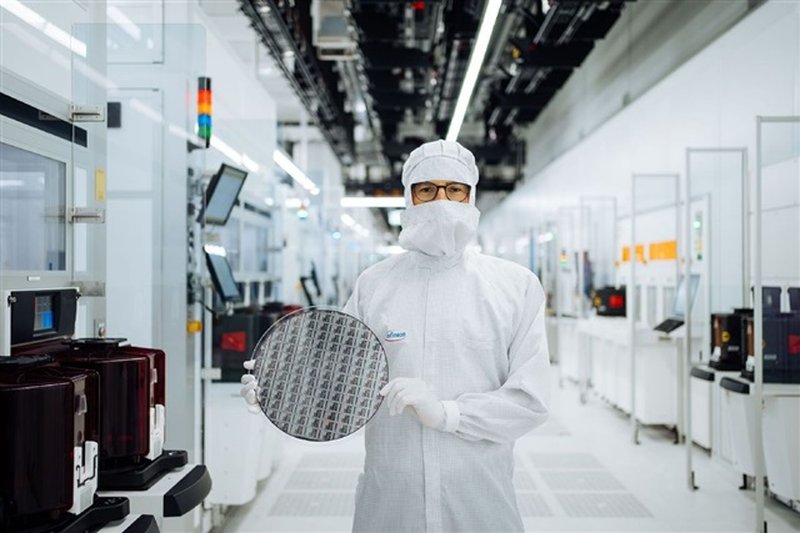
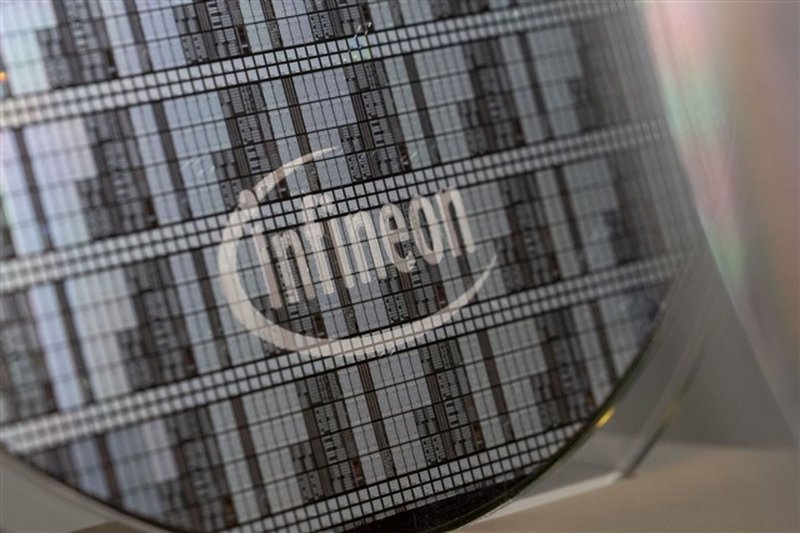
China's Supreme Court has issued a ruling that prohibits Infineon, a leading global semiconductor manufacturer, from selling its Gallium Nitride (GaN) power chips in the Chinese market. This decision marks a significant turning point in a patent dispute that has pitted Infineon against Innoscience, a Chinese company that has established itself as a leader in the GaN semiconductor sector.
The ruling represents an important victory for Innoscience, solidifying its position in a strategic and rapidly growing market. The implications of this decision could extend far beyond China's borders, influencing competitive dynamics and global procurement strategies for essential electronic components.
The Strategic Role of Gallium Nitride Chips
Gallium Nitride (GaN) power chips are fundamental components for modern electronics, known for their superior efficiency and ability to operate at higher frequencies compared to traditional silicon semiconductors. These characteristics make them ideal for applications requiring high power density and minimal footprint, such as server power supplies, electric vehicles, fast chargers, and energy conversion systems.
In the context of data centers and AI infrastructures, the energy efficiency of GaN chips is crucial. They contribute to reducing the Total Cost of Ownership (TCO) for on-premise installations by minimizing energy losses and cooling requirements. For CTOs and infrastructure architects evaluating Large Language Model (LLM) deployments on local stacks, the availability and reliability of such components are decisive factors for optimizing performance and operational costs.
Implications of the Ruling for the Global Market
The Chinese Supreme Court's decision not only strengthens Innoscience's position in its domestic market but also raises questions about Infineon's strategy and its ability to compete in one of the largest and fastest-growing technology markets. Patent wars are a constant in the semiconductor industry, where innovation and the protection of intellectual property are crucial for competitive advantage.
For companies relying on a stable global supply chain for their hardware components, including those for on-premise LLM Inference and training, rulings like this highlight the complexity and geopolitical risks. Diversifying suppliers and understanding the international legal landscape become essential to mitigate potential disruptions and ensure operational continuity.
Future Prospects and Technological Sovereignty
This ruling underscores the increasing importance of technological sovereignty and the protection of intellectual property at a national level. As countries seek to develop their own manufacturing and innovation capabilities, legal disputes over patents can become powerful tools for shaping the competitive landscape. For those evaluating on-premise deployments, supply chain stability and infrastructural resilience are absolute priorities.
The GaN semiconductor market is poised for further growth, driven by the demand for more efficient energy solutions. The legal battle between Infineon and Innoscience is a clear example of how judicial decisions can directly impact the availability of critical hardware, indirectly influencing deployment choices and investment strategies in technology-intensive sectors such as artificial intelligence.







💬 Comments (0)
🔒 Log in or register to comment on articles.
No comments yet. Be the first to comment!