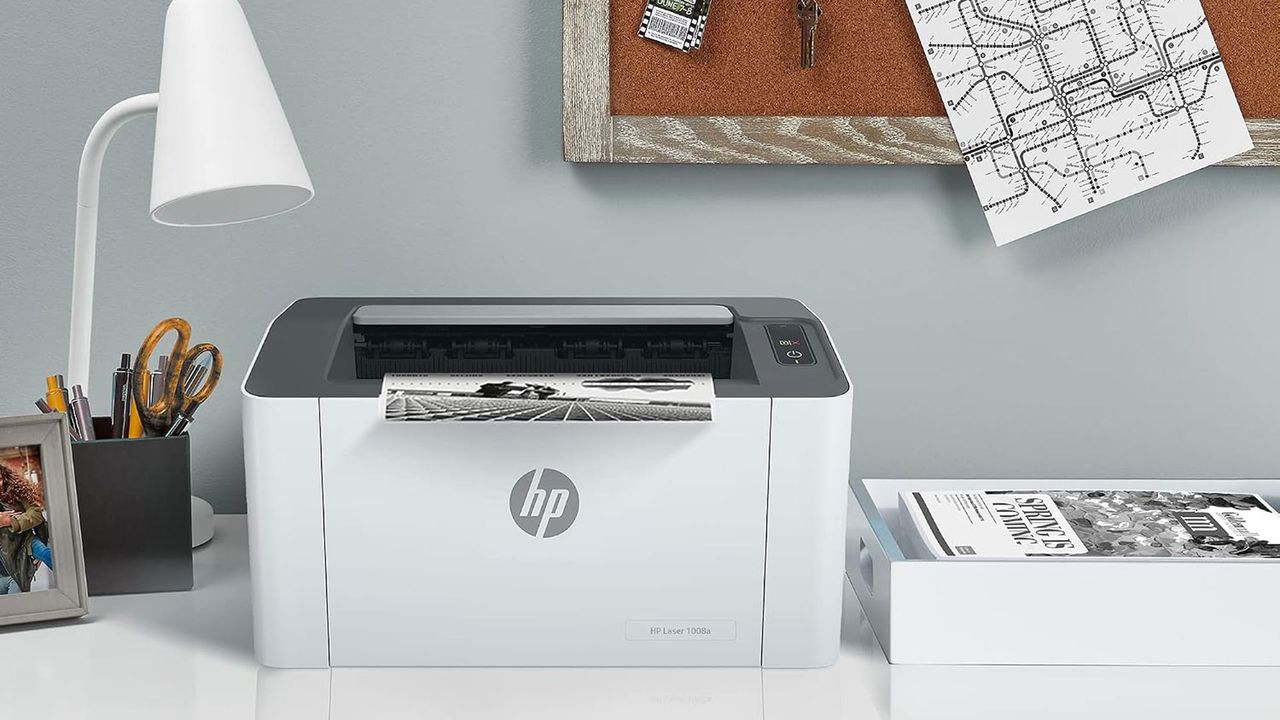
A printer that the Mac cannot see is a classic problem in mixed small offices. The manufacturer ships drivers only for Windows, and the simplest path seems to be a virtual machine or a cloud service. The developer behind a new GitHub project chose a different route: he asked Claude AI to help write a native macOS driver, then used a Linux container to let the local printing system talk to the device. The result, as reported, allows printing from any application with Cmd-P, without going through Windows.
The Linux container detail is significant. Instead of rewriting the entire communication stack with the printer from scratch, the project appears to leverage a printing service already available in Linux and exposes it to the Mac. It is a pattern familiar to those working in local environments: isolate in a container a process that handles a specific protocol and make it communicate with the host system through standard interfaces. The advantage is that the AI-generated code can focus on native integration, while the container handles the harder part.
The story is not just a tinkerer's trick. It shows that code assistants based on LLMs are lowering the cost of producing drivers and system software for neglected peripherals. Until recently, writing a driver for a printer without public documentation required reverse engineering, low-level skills, and many weeks. Today a model can generate much of the skeleton and control functions, leaving the human to verification and integration. It is not magic: drivers still require testing on real hardware and error handling, but the initial part is much faster.
Who loses? Printer manufacturers that built their ecosystem on the assumption that a Windows-only driver makes the device unusable elsewhere. If assisted generation of compatible drivers becomes common practice, official support for macOS or Linux ceases to be a commercial differentiator. Who wins? IT teams and users with niche or legacy hardware, who can extend device life without subscribing to cloud printing services and without maintaining dedicated Windows machines. The project also touches a theme dear to local deployment: sovereignty over hardware. A self-produced driver and a local container remove dependence on a vendor or an external cloud, shifting control toward the user.
Those working with on-premise and self-hosted infrastructures will recognize the dynamic. It is not about AI replacing entire departments, but about a tool that lowers the barrier to creating local integrations that were otherwise uneconomical. It is the same principle driving many organizations to consider LLMs for generating connectors, automation scripts, and test code for internal services, where development cost was prohibitive. Of course, generated code must be reviewed, especially when it interacts with the kernel or physical peripherals. But the printer case is a signal: the frontier of AI-supported DIY is moving from application software to the system level.
The driver is available on GitHub, and anyone can try it if they own a compatible printer. The value lies not only in solving a niche problem, but in demonstrating that AI assistance can return local control over hardware that vendors had abandoned.




💬 Comments (0)
🔒 Log in or register to comment on articles.
No comments yet. Be the first to comment!