A Strategic Summit for the Future of Tech
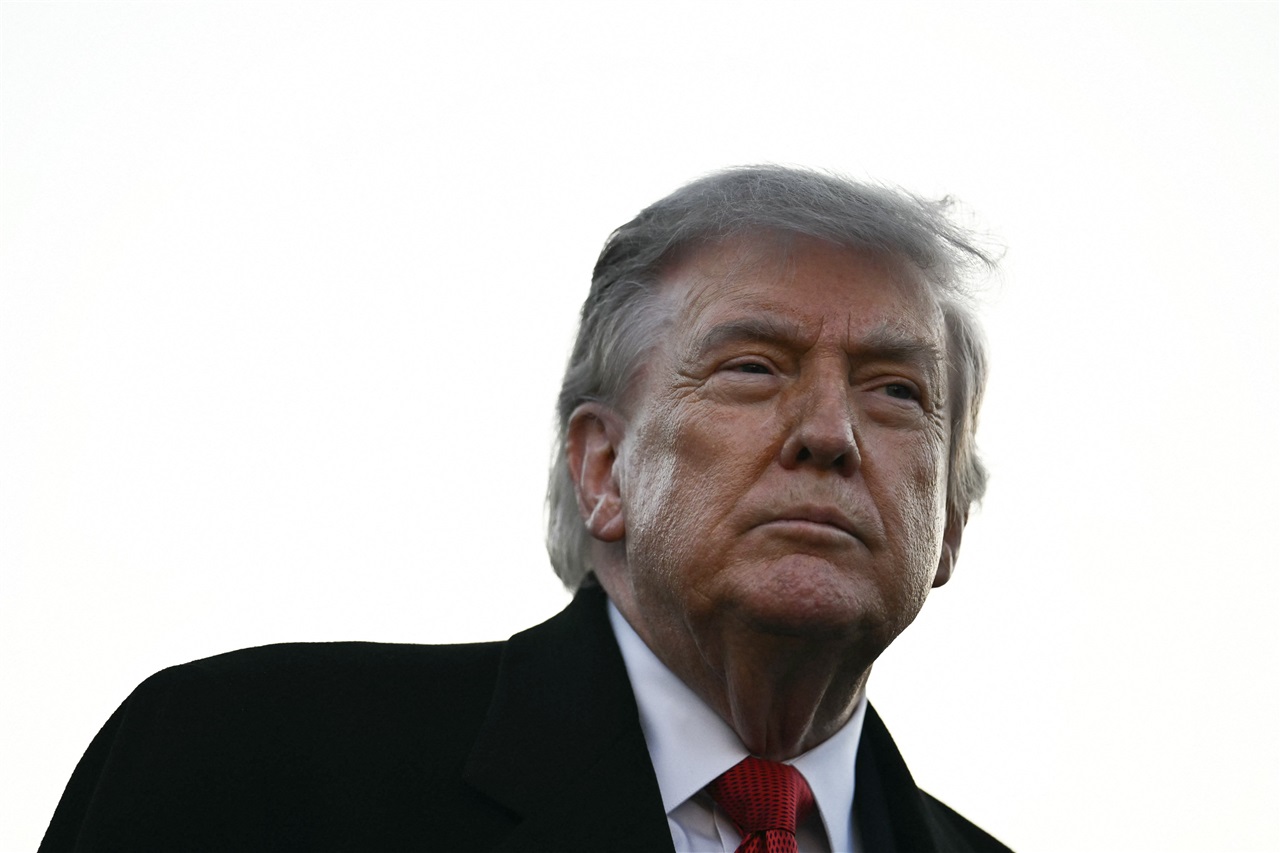
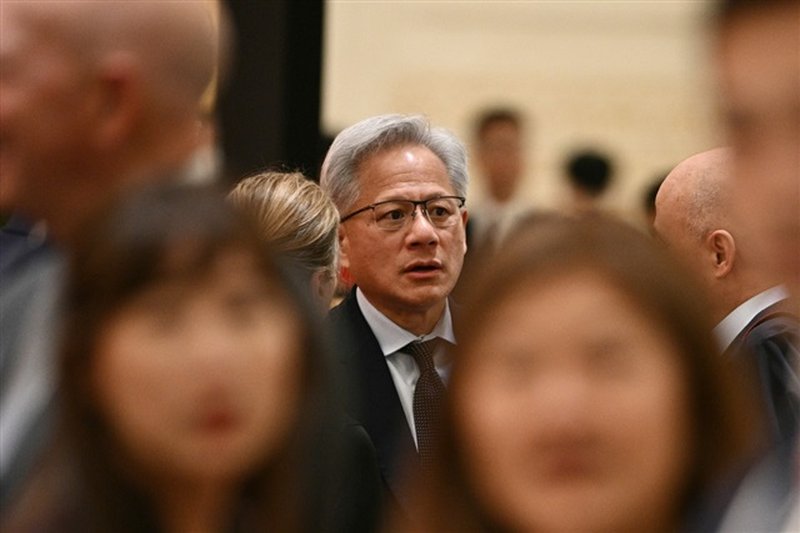
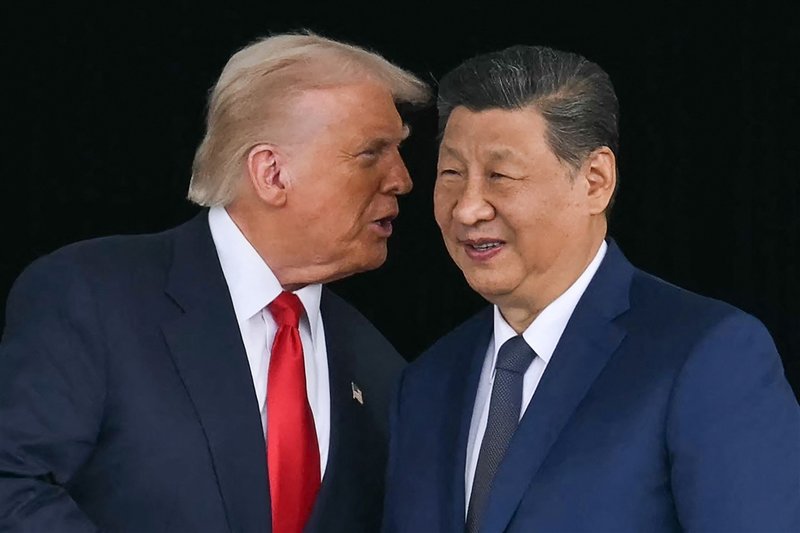
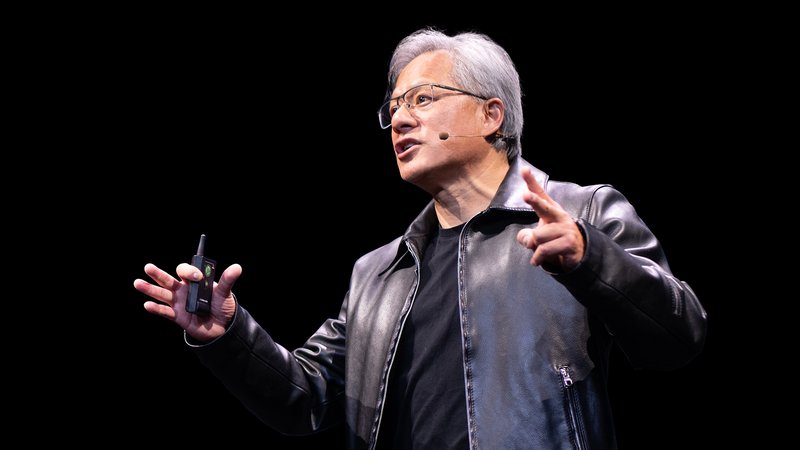
The US President is reportedly considering extending an invitation to CEOs of major technology companies, including Nvidia, to participate in future trade talks with China. This potential move, reported by AFP, underscores how the technology sector has become a focal point of geopolitical discussions between the world's two largest economies. The presence of leaders from companies like Nvidia, a dominant player in the GPU market essential for artificial intelligence, highlights the centrality of silicon and its advanced applications in the current economic and strategic landscape.
The decision to directly involve corporate leaders in these dialogues reflects an understanding that trade policies and export restrictions have a direct impact on companies' ability to innovate, produce, and distribute critical technologies globally. For businesses operating in the LLM and AI sectors, the stability of hardware supply chains is a decisive factor for planning and executing their projects.
The Crucial Role of Silicon in the AI Era
Nvidia, with its leading position in the GPU market, is an indispensable player for the development and deployment of Large Language Models. Its architectures, such as the A100 and H100 series, are considered the de facto standard for large-scale AI model training and inference. The availability of and access to these technologies are therefore vital for competitiveness and innovation in sectors ranging from scientific research to finance, automotive, and healthcare.
The current geopolitical context has already introduced significant uncertainties into the global silicon supply chain. Export restrictions and trade tensions can limit access to key components, affecting delivery times, costs, and ultimately, companies' ability to scale their AI infrastructures. These talks could therefore represent an attempt to stabilize or renegotiate the conditions governing the flow of critical technologies.
Implications for On-Premise Deployments and Data Sovereignty
For organizations prioritizing on-premise, self-hosted, or air-gapped deployments for their AI/LLM workloads, reliable hardware access is a primary concern. The choice to keep data and models within their own infrastructural boundaries, often driven by data sovereignty needs, regulatory compliance (such as GDPR), or security, makes companies particularly vulnerable to disruptions in the silicon supply chain. Geopolitical instability can translate into an increased TCO (Total Cost of Ownership) due to higher prices, delivery delays, or the need to invest in less efficient alternative solutions.
Strategic planning for AI infrastructure must therefore consider not only technical specifications (VRAM, throughput, latency) but also geopolitical risks. For those evaluating on-premise deployments, significant trade-offs exist between operational independence and reliance on global hardware suppliers. AI-RADAR offers analytical frameworks on /llm-onpremise to evaluate these trade-offs, helping CTOs and architects navigate a complex landscape.
Future Outlook and the Need for Resilient Strategies
The outcome of these potential talks between the United States and China, with the participation of tech giants like Nvidia, will have a profound impact on the future of AI innovation and the resilience of supply chains. Decisions made at this level will directly influence companies' ability to acquire the necessary hardware for LLM training and inference, whether for cloud infrastructures or self-hosted solutions.
Companies will need to continue developing resilient strategies, which may include diversifying suppliers, exploring alternative hardware architectures, or investing in local production capabilities where possible. The ability to adapt to a continuously evolving geopolitical environment will be crucial for maintaining competitiveness and ensuring operational continuity in the artificial intelligence sector.






💬 Comments (0)
🔒 Log in or register to comment on articles.
No comments yet. Be the first to comment!