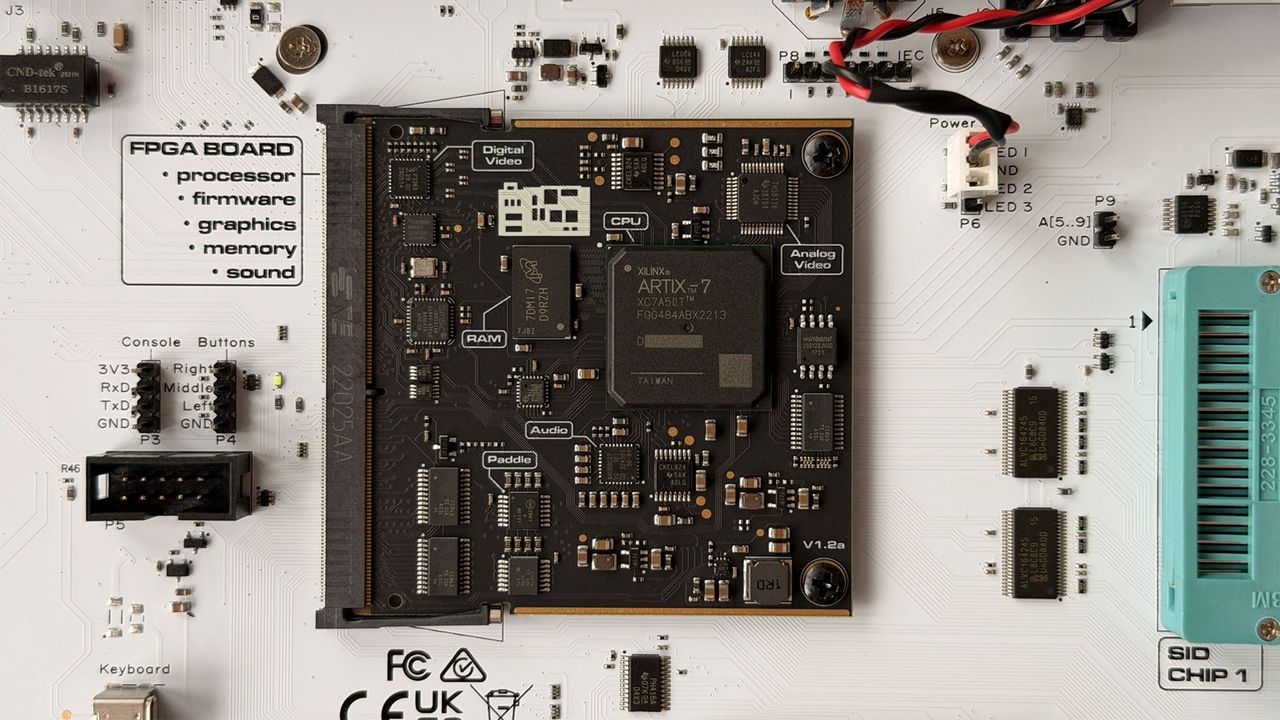
La decisione di Commodore sul firmware FPGA
Commodore ha annunciato una significativa revisione della sua politica relativa al blocco del firmware per i dispositivi FPGA. L'azienda ha fatto marcia indietro rispetto alla precedente decisione di impedire l'installazione di firmware di terze parti, un cambiamento che potrebbe avere implicazioni per gli sviluppatori e gli utenti che desiderano maggiore controllo sul proprio hardware. Questa mossa riflette una tensione comune nel settore tecnicico tra il controllo del produttore e la libertà dell'utente di personalizzare i propri dispositivi.
La questione del firmware su hardware specializzato, come gli FPGA (Field-Programmable Gate Array), è particolarmente delicata. Questi chip programmabili offrono una flessibilità notevole, consentendo agli utenti di configurare l'hardware per svolgere compiti specifici, spesso con prestazioni superiori rispetto alle CPU o GPU generiche per determinati carichi di lavoro. La possibilità di installare firmware alternativi è fondamentale per chi cerca di ottimizzare le prestazioni, implementare funzionalità non ufficiali o semplicemente mantenere la sovranità sul proprio hardware.
Controllo e responsabilità: i dettagli della nuova politica
Nonostante l'apertura all'installazione di firmware di terze parti, Commodore ha chiarito che manterrà una posizione ferma riguardo alle unità modificate che dovessero risultare inutilizzabili. L'azienda ha specificato che non si assumerà alcuna responsabilità per i dispositivi che dovessero essere "brickati" – ovvero resi inoperabili – a seguito di interventi non autorizzati o dell'installazione di firmware non ufficiali. Questa clausola mira a bilanciare la libertà concessa agli utenti con la necessità del produttore di tutelarsi da richieste di supporto per problemi causati da modifiche esterne.
Questa distinzione è cruciale. Da un lato, si riconosce il desiderio della comunità di sviluppare e utilizzare soluzioni personalizzate, un aspetto che può favorire l'innovazione e l'estensione della vita utile di un prodotto. Dall'altro, si stabiliscono limiti chiari sulla garanzia e sul supporto tecnico, spostando l'onere della responsabilità sull'utente in caso di malfunzionamenti derivanti da tali modifiche. Per le organizzazioni che valutano deployment on-premise di soluzioni basate su FPGA, comprendere questi trade-off tra flessibilità e supporto ufficiale è essenziale per la pianificazione del TCO e la gestione del rischio.
Implicazioni per l'ecosistema e la sovranità dei dati
La capacità di installare firmware di terze parti su hardware specializzato, come gli FPGA, è un aspetto cruciale per le organizzazioni che privilegiano deployment on-premise o in ambienti air-gapped. In contesti dove la sovranità dei dati e il controllo completo sull'infrastruttura sono prioritari, la possibilità di personalizzare il firmware può essere un fattore determinante. Permette di implementare protocolli di sicurezza specifici, ottimizzare l'hardware per carichi di lavoro AI/LLM proprietari o integrare soluzioni con stack locali senza dipendere esclusivamente dalle configurazioni del vendor.
Tuttavia, questa libertà comporta anche delle sfide. La gestione di firmware non ufficiali richiede competenze tecniche approfondite e una rigorosa attenzione alla sicurezza, poiché vulnerabilità nel codice di terze parti potrebbero compromettere l'intera infrastruttura. Per chi valuta deployment on-premise, AI-RADAR offre framework analitici su /llm-onpremise per valutare i trade-off tra il controllo offerto da soluzioni self-hosted e i rischi associati alla gestione autonoma di componenti critici come il firmware.
Prospettive future nel controllo dell'hardware
La decisione di Commodore evidenzia una tendenza più ampia nel settore tecnicico: la crescente richiesta di maggiore apertura e controllo da parte degli utenti e delle aziende sull'hardware che acquistano. Mentre i produttori cercano di mantenere il controllo per garantire la stabilità, la sicurezza e il proprio modello di business, la comunità spinge per la flessibilità necessaria a innovare e adattare i dispositivi alle proprie esigenze specifiche.
Questo equilibrio è particolarmente rilevante nell'ambito dell'AI e dei Large Language Models, dove l'ottimizzazione hardware è fondamentale per l'efficienza dell'inference e del training. La possibilità di intervenire a livello di firmware su componenti come gli FPGA può sbloccare nuove opportunità per migliorare throughput e ridurre la latency in deployment critici. La mossa di Commodore, pur con le sue riserve, rappresenta un passo verso una maggiore apertura, pur sottolineando l'importanza di una gestione consapevole e informata delle modifiche hardware.






💬 Commenti (0)
🔒 Accedi o registrati per commentare gli articoli.
Nessun commento ancora. Sii il primo a commentare!