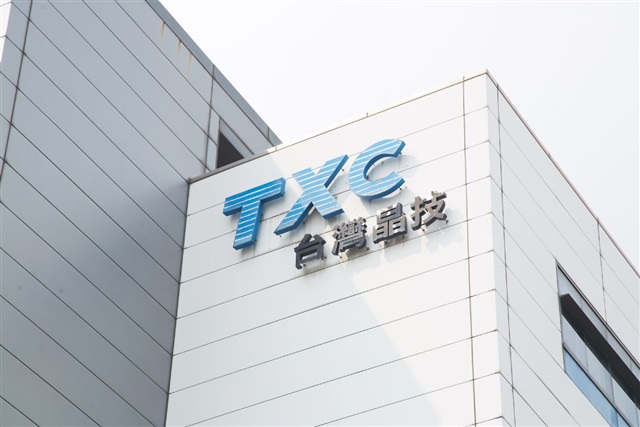
Componenti al quarzo: AI e automotive trainano la domanda per TXC e Taitien nel 2026
TXC e Taitien, aziende leader nella produzione di componenti al quarzo, si preparano a un significativo incremento delle vendite nel primo trimestre del 2026. Questa previsione positiva è alimentata principalmente da due settori in forte espansione: la comunicazione ottica legata all'intelligenza artificiale e l'industria automobilistica. La domanda crescente in questi ambiti sottolinea l'importanza di componenti elettronici fondamentali per lo sviluppo di tecnicie avanzate.
I componenti al quarzo, sebbene spesso invisibili agli occhi dell'utente finale, sono essenziali per garantire la precisione e l'affidabilità dei sistemi elettronici moderni. La loro funzione di stabilizzazione della frequenza è cruciale per il corretto funzionamento di una vasta gamma di dispositivi, dai microprocessori ai sistemi di comunicazione ad alta velocità, garantendo la sincronizzazione necessaria per operazioni complesse.
Il Ruolo dei Componenti al Quarzo nell'Era AI
L'avanzamento dell'intelligenza artificiale, in particolare con i Large Language Models (LLM), richiede infrastrutture di calcolo e di rete sempre più sofisticate. La comunicazione ottica, che utilizza la luce per trasmettere dati ad altissima velocità, è un pilastro di queste infrastrutture, specialmente nei data center che ospitano deployment on-premise di LLM. I componenti al quarzo, come gli oscillatori e i risonatori, sono indispensabili per la sincronizzazione precisa dei segnali in queste reti ottiche, dove anche minime deviazioni possono compromettere le performance.
La stabilità e la precisione offerte da questi componenti sono vitali per mantenere l'integrità dei dati e minimizzare la latenza, fattori critici per l'inference e il training di modelli AI su larga scala. Senza una temporizzazione accurata, le complesse pipeline di dati che attraversano array di GPU e server non potrebbero operare in modo efficiente, compromettendo il throughput e le performance complessive dei sistemi AI. Questo è particolarmente vero in ambienti dove la sovranità dei dati e il controllo sull'hardware sono prioritari.
Domanda Automotive e Implicazioni per l'Framework AI
Parallelamente al settore AI, anche l'industria automobilistica sta vivendo una trasformazione profonda, con l'adozione sempre più diffusa di sistemi avanzati di assistenza alla guida (ADAS) e veicoli autonomi. Questi sistemi integrano una quantità crescente di elettronica e sensori, che richiedono componenti robusti e affidabili per operare in ambienti spesso difficili. I componenti al quarzo trovano impiego in centraline di controllo, sistemi di infotainment e moduli di comunicazione, dove la precisione è fondamentale per la sicurezza e la funzionalità dei veicoli moderni.
Questa duplice spinta di domanda, dall'AI e dall'automotive, mette in evidenza una tendenza più ampia: la crescente dipendenza dell'innovazione tecnicica da una componentistica di base di alta qualità. Per le aziende che pianificano deployment di AI, sia on-premise che ibridi, la disponibilità e la qualità di questi componenti nella supply chain globale diventano fattori critici per la pianificazione e il Total Cost of Ownership (TCO) dell'infrastruttura. La resilienza della catena di fornitura è un aspetto da non sottovalutare.
Prospettive e Sfide per i Deployment On-Premise
L'aumento della domanda per componenti critici come quelli al quarzo può avere implicazioni significative per le strategie di deployment on-premise. CTO, DevOps lead e architetti infrastrutturali devono considerare non solo le specifiche delle GPU o la VRAM, ma anche la robustezza e la disponibilità dell'intera catena di fornitura hardware. La dipendenza da componenti di precisione per la comunicazione ottica, ad esempio, influisce direttamente sulla capacità di costruire cluster di calcolo ad alte prestazioni e a bassa latenza, essenziali per carichi di lavoro LLM esigenti.
Per chi valuta deployment on-premise, è fondamentale analizzare i trade-off tra costi iniziali, costi operativi e la resilienza della supply chain. AI-RADAR offre framework analitici su /llm-onpremise per valutare questi aspetti, aiutando le aziende a prendere decisioni informate sulla propria infrastruttura AI, garantendo sovranità dei dati e controllo sui propri stack locali. La capacità di ottenere componenti affidabili e performanti è un fattore chiave per il successo a lungo termine e per il mantenimento di un TCO ottimale.




💬 Commenti (0)
🔒 Accedi o registrati per commentare gli articoli.
Nessun commento ancora. Sii il primo a commentare!