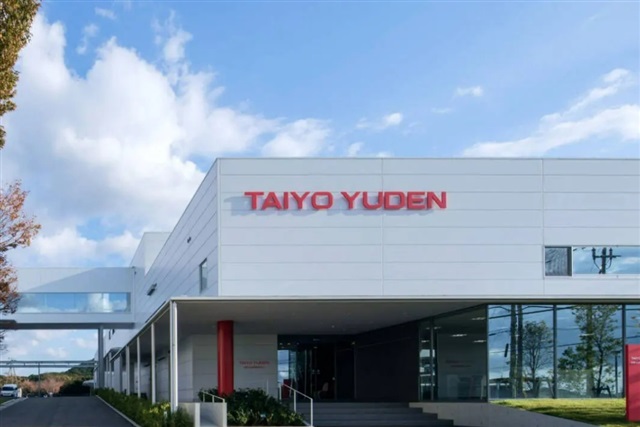
AI and the Pressure on Essential Component Prices
The rapidly expanding artificial intelligence sector is exerting significant pressure on the supply chain of essential electronic components. According to market analyses, including those cited by Taiyo Yuden, the prices of Multi-Layer Ceramic Capacitors (MLCCs) and inductors are on the rise. This trend is primarily attributable to two converging factors: the increasing demand generated by AI applications and persistent production cost pressures.
MLCCs and inductors are discrete but indispensable elements in almost every modern electronic device. Their importance exponentially increases in high-performance computing environments, where power supply stability and electrical noise management are critical for the reliable and efficient operation of processors and memory. The increase in their costs has direct repercussions across the entire technology industry, particularly for those designing and implementing AI infrastructures.
The Critical Role of MLCCs and Inductors in AI Hardware
To understand the impact of these price increases, it is crucial to recognize the role of MLCCs and inductors in dedicated AI hardware. Large Language Models (LLMs) and other artificial intelligence workloads require massive computational power, typically provided by GPUs, ASICs, or FPGAs. These accelerators consume large amounts of energy and generate heat, necessitating extremely robust and precise power delivery systems.
MLCCs are used for high-frequency noise filtering and voltage stabilization, ensuring that chips receive clean and constant power. Inductors, on the other hand, are crucial in power converters (such as switching voltage regulators) to store energy and smooth currents, essential for energy efficiency and component longevity. The demand for GPUs with increasingly high VRAM and superior throughput capabilities translates into a greater need for these components, often with advanced technical specifications and tighter tolerances, which in turn increase their cost and production complexity.
Context and Implications for On-Premise Deployment
The rising prices of such fundamental components have significant implications for companies evaluating deployment strategies for their AI workloads. For organizations opting for self-hosted or on-premise solutions, the increase in component costs directly translates into higher CapEx (Capital Expenditure) for purchasing servers, accelerator cards, and other hardware infrastructure. This can influence the overall Total Cost of Ownership (TCO) of an on-premise deployment, making long-term financial planning more complex.
While on-premise deployment offers advantages in terms of data sovereignty, control, and security, supply chain price fluctuations introduce an additional factor of risk and uncertainty. Companies must balance these benefits with initial and operational costs, which can be affected by market dynamics like the current ones. For those evaluating on-premise deployment, analytical frameworks are available on /llm-onpremise that can help assess the trade-offs between costs, performance, and control.
Future Outlook and Mitigation Strategies
The tension between the insatiable demand for AI and the production capacity of the electronic component supply chain is likely to persist in the short to medium term. Component manufacturers like Taiyo Yuden face the challenge of managing not only increased demand but also issues related to raw material sourcing and optimizing production processes, which contribute to cost pressures.
For companies developing and implementing AI solutions, adopting mitigation strategies becomes crucial. These may include diversifying suppliers, planning purchases in advance, and optimizing existing hardware through techniques such as model Quantization. Understanding component market dynamics is essential for making informed decisions about AI infrastructure deployment, whether on-premise, cloud, or hybrid, while ensuring sustainability and operational efficiency.








💬 Comments (0)
🔒 Log in or register to comment on articles.
No comments yet. Be the first to comment!