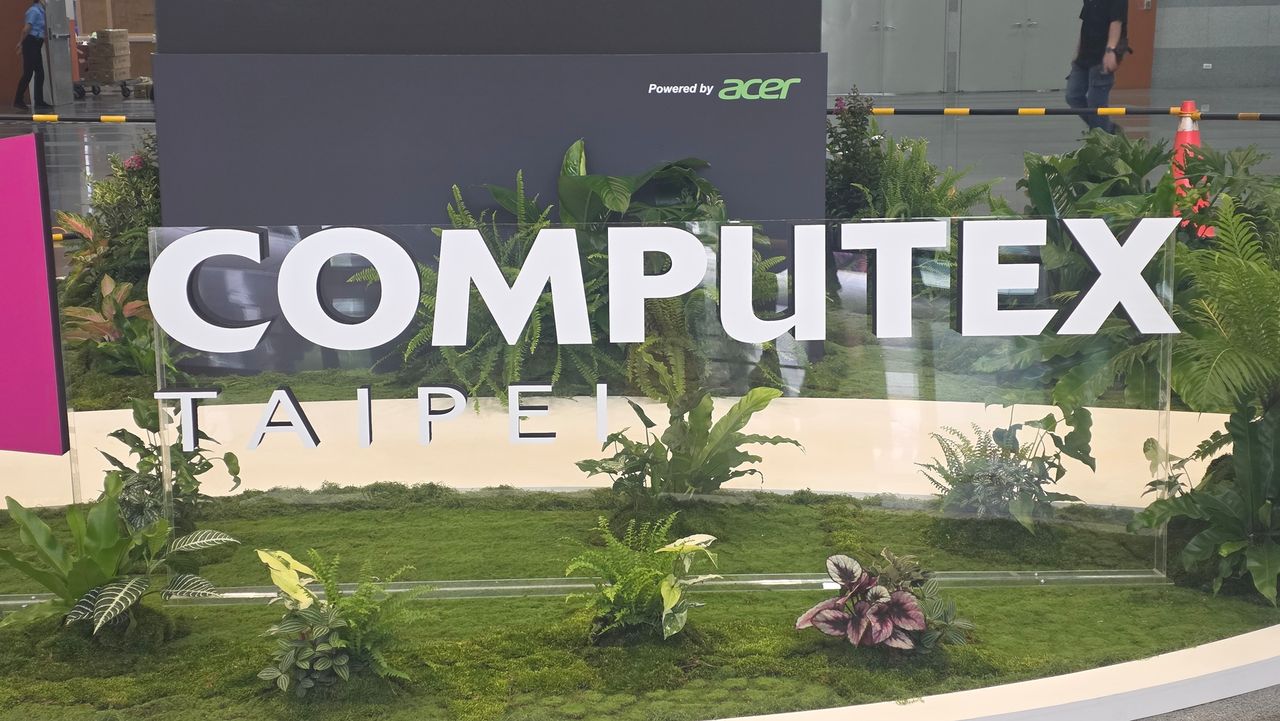
The Uncertainties Surrounding Computex 2026
Computex, one of the most significant events in the global technology calendar, is preparing for its 2026 edition, but early indications point to potential complications. According to reports, several exhibitors from mainland China are encountering significant difficulties in obtaining entry permits for Taiwan, jeopardizing their participation in the trade show.
Complaints focus on an approval process for visas that appears to be stalled, with numerous applications left pending or subjected to last-minute requests for additional documentation. This situation creates a climate of uncertainty for the companies involved and raises questions about the geopolitical dynamics that could influence representation and participation in international events of such magnitude.
Geopolitics and Supply Chain: A Critical Node for On-Premise AI
Events like the one affecting Computex 2026 highlight how geopolitical tensions can have direct repercussions on the global technology supply chain. For CTOs, DevOps leads, and infrastructure architects evaluating or managing on-premise Large Language Models (LLM) deployments, supply chain stability is a crucial factor. Access to specific hardware, such as high-performance GPUs with adequate VRAM, is essential for inference and training of complex models.
Disruptions in the ability to participate in international trade shows can reflect or anticipate broader difficulties in component and system procurement. Delays in deliveries, increased costs, or even the unavailability of certain technologies can compromise the planning and implementation of self-hosted AI infrastructures, impacting the Total Cost of Ownership (TCO) and the ability to maintain data sovereignty. Dependence on a limited number of suppliers or geographical regions exposes companies to significant risks, making diversification and supply chain resilience absolute priorities.
Data Sovereignty and Infrastructure Control: Lessons from a Volatile Context
The current context underscores the strategic importance of controlling IT infrastructure, especially for sensitive workloads like those related to LLMs. On-premise deployment decisions, compared to cloud alternatives, are often driven by the need to ensure data sovereignty, regulatory compliance (such as GDPR), and security in air-gapped environments. However, these choices require careful evaluation of risks related to hardware procurement and market stability.
The ability of a company to build and maintain a robust and controlled AI infrastructure depends not only on the technical specifications of servers or GPUs but also on the predictability and reliability of the global supply chain. For those evaluating on-premise deployments, there are complex trade-offs that go beyond mere initial cost, including operational resilience and the ability to adapt to evolving geopolitical scenarios. AI-RADAR offers analytical frameworks on /llm-onpremise to help evaluate these trade-offs in a structured manner.
Future Outlook: Strategic Planning in the Era of Distributed AI
Facing an increasingly interconnected and volatile technological and geopolitical landscape, strategic planning becomes essential. Companies investing in AI infrastructures, particularly those opting for self-hosted solutions, must adopt a proactive approach to risk mitigation. This includes diversifying suppliers, building strategic inventories, and designing flexible architectures that can adapt to potential disruptions.
Events like Computex are not just showcases of innovation but also barometers of market dynamics and the challenges the industry faces. The ability to navigate this complex environment while ensuring access to critical AI technologies will be a determining factor for the success and competitiveness of enterprises in the era of distributed artificial intelligence.










💬 Comments (0)
🔒 Log in or register to comment on articles.
No comments yet. Be the first to comment!