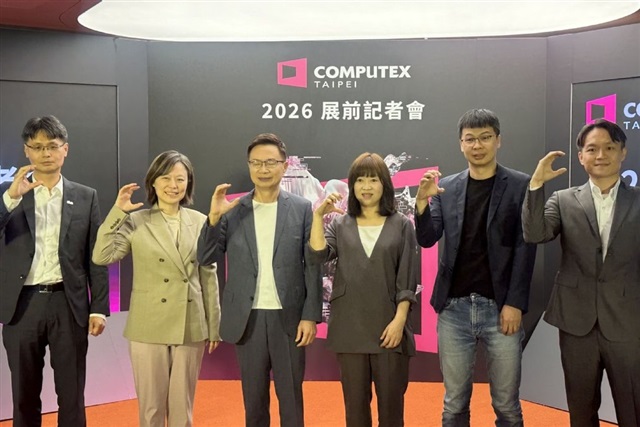
Computex 2026: A Stage for Innovation
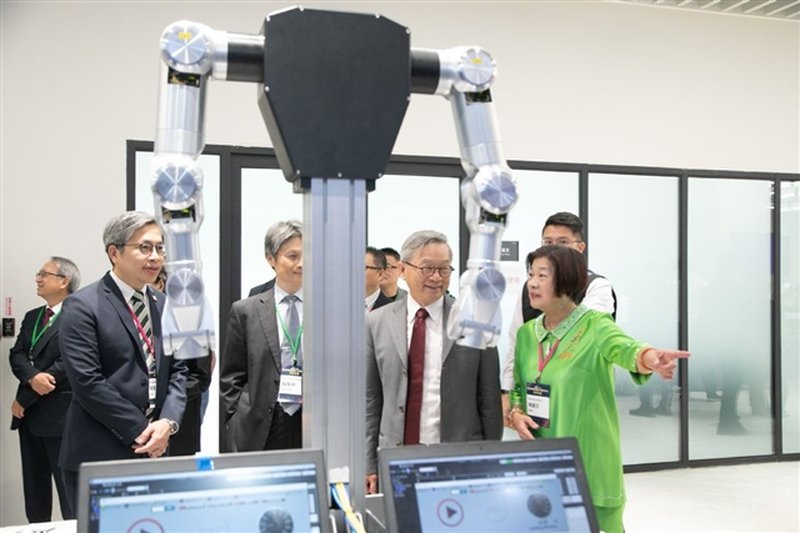
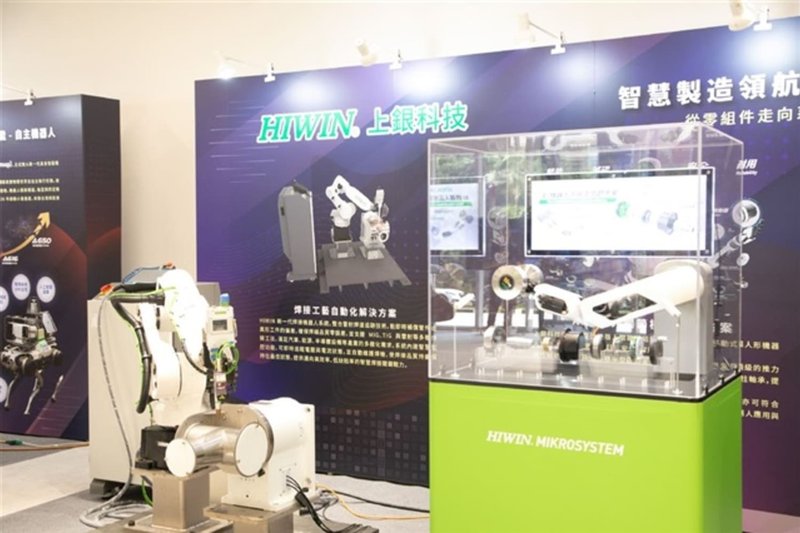
Computex, the globally renowned technology trade show held annually in Taipei, Taiwan, is preparing to host its 2026 edition with a significant new feature: the introduction of a zone entirely dedicated to robotics. This development reflects the growing centrality of autonomous systems and automation in the global technology agenda, signaling a clear direction towards the integration of these solutions across various industrial sectors and daily life.
The event traditionally serves as a crucial meeting point for Taiwan's entire technology supply chain, an ecosystem that plays an irreplaceable role in the production of advanced hardware components. The massive presence of Taiwanese companies at Computex 2026 underscores their influence and capacity to shape the future of electronics and artificial intelligence, from design to final deployment.
Robotics and the Intersection with Artificial Intelligence
The addition of a dedicated robotics zone at Computex 2026 is not coincidental but responds to a market trend where robotics is increasingly interconnected with artificial intelligence. Large Language Models (LLM) and other AI models are revolutionizing how robots perceive, interact, and make decisions, moving from pre-programmed tasks to more adaptive and intelligent behaviors. This demands not only sophisticated algorithms but also robust and high-performing hardware infrastructure.
For companies developing or implementing advanced robotic solutions, the ability to perform Inference of complex models locally, often in air-gapped environments or with stringent latency requirements, becomes paramount. The need to process large volumes of data in real-time, directly at the edge or in a self-hosted environment, drives demand for specialized silicon and high-density computing solutions, with particular attention to VRAM and throughput.
Taiwan's Supply Chain: A Strategic Pillar
The gathering of the Taiwanese supply chain at Computex 2026 highlights the island's strategic position as a global epicenter for semiconductor and electronic component manufacturing. From motherboards to advanced chips, including GPUs and memory modules, Taiwan is a key player enabling innovation in sectors like AI, robotics, and high-performance computing. This concentration of expertise and production capacity has direct implications for AI infrastructure deployment strategies.
The resilience and efficiency of this supply chain are critical factors for companies planning investments in hardware for on-premise LLM deployments. Component availability, delivery times, and pricing dynamics directly influence the Total Cost of Ownership (TCO) of a self-hosted AI infrastructure. Understanding the trends and innovations presented by these suppliers at Computex is therefore essential for CTOs and system architects.
Implications for On-Premise Deployment and TCO
For organizations evaluating the deployment of AI and LLM workloads in on-premise environments, the developments showcased at Computex 2026 offer valuable insights. The availability of more powerful and specialized hardware, often stemming from innovations in robotics and automation, can significantly improve the performance and efficiency of local Inference pipelines. However, choosing a self-hosted infrastructure requires a careful TCO analysis, which includes not only the initial hardware cost but also maintenance, energy consumption, and lifecycle management.
Data sovereignty and regulatory compliance are additional factors driving many companies towards on-premise or air-gapped solutions, especially in regulated sectors. The ability to physically control hardware and data is a competitive advantage. For those evaluating these complex trade-offs, AI-RADAR offers analytical frameworks on /llm-onpremise to support informed decisions, balancing performance, costs, and security requirements.






💬 Comments (0)
🔒 Log in or register to comment on articles.
No comments yet. Be the first to comment!